
Multi-Species Eye Ointment: What to Know Before Treating Your Pet's Ocular Issues
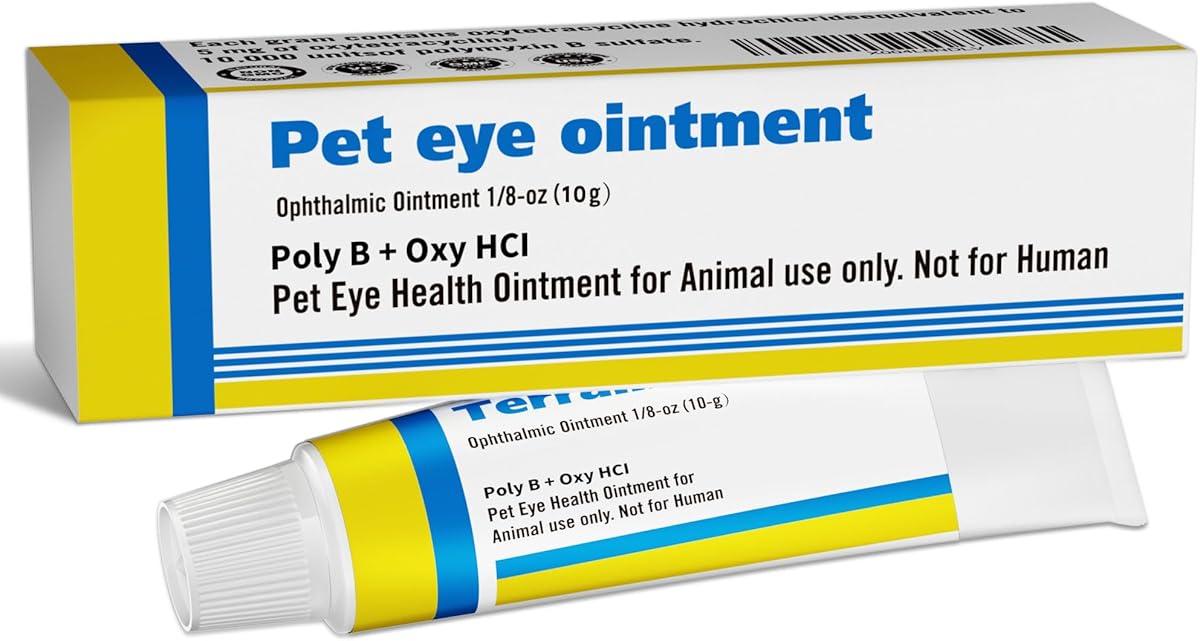
This specific 0.35 oz tube of terramycin-based ophthalmic ointment is formulated for a remarkably broad range of animals, from household pets to livestock. Buyers should understand that its broad-spectrum antibiotic action targets surface-level bacterial infections like conjunctivitis, but it is not a cure-all for every eye problem. The small tube size is practical for occasional use but may be insufficient for treating large animals or chronic conditions requiring prolonged application.
Key Considerations Before Buying
- Verify the specific symptoms match this ointment's purpose: it's designed for bacterial conjunctivitis (redness, discharge, swelling), not for injuries, ulcers, or viral/autoimmune conditions which require veterinary diagnosis.
- Consider the animal's size and temperament; applying ointment to the lower eyelid of a horse or uncooperative cat requires skill, and the 10g quantity may be inadequate for large animals' extended treatment cycles.
- Check for potential antibiotic resistance; if this product has been used before without full resolution, the infection may require a different class of antibiotic prescribed by a vet.
What Our Analysts Recommend
For this category, examine the active ingredients list: this product contains Oxytetracycline and Polymyxin B, a classic combination for superficial ocular infections. Quality indicators include a sterile, sealed tube tip and a smooth, non-gritty ointment consistency that melts at eye temperature. The packaging should have clear expiration dating, as antibiotic potency degrades over time.
Eye Care Market Context
Market Overview
The over-the-counter pet eye care market is segmented between general saline rinses and medicated ointments like this one, which occupy a regulatory gray area between true veterinary pharmaceuticals and pet supplies. Products claiming efficacy across such diverse species are uncommon, as formulation and dosage often vary between dogs, cats, and livestock.
Common Issues
A primary concern is misdiagnosis by owners; many eye issues present similarly, but treating a corneal ulcer with an ointment can worsen it. Another issue is contamination during application, as touching the tube tip to the eye can introduce new pathogens. Incomplete treatment courses also contribute to antibiotic resistance.
Quality Indicators
Beyond ingredients, a quality ophthalmic product will specify it's sterile until opened and include clear application instructions for different species. The carrier ointment should be non-irritating (often petroleum-based) and the tube should allow for precise, controlled dispensing to avoid waste.
Review Authenticity Insights
Grade B Interpretation
A 'B' grade with a 15% estimated fake review rate suggests generally reliable feedback, but advises healthy skepticism. For this product, the high number of verified purchases across different animals (cats, dogs, horses) lends credibility to the experiential reports, but the fake percentage indicates some reviews may exaggerate efficacy or downplay side effects.
Trust Recommendation
Focus on reviews that detail specific symptoms treated (e.g., 'cloudy discharge in my cat's left eye'), duration of use, and outcome. Be wary of overly effusive reviews claiming it cured severe or unspecified 'eye problems,' as these could be among the manipulated 15%. The adjusted rating of 4.10 is a more reliable performance indicator than the raw 4.44.
Tips for Reading Reviews
Prioritize reviews mentioning follow-up with a veterinarian or that note the product was used as a stopgap before a vet visit. Look for species-specific feedback, as efficacy and ease of application differ greatly between a bird and a sheep. Reviews discussing tube size adequacy for their animal are particularly valuable.
Expert Perspective
This product's data indicates it fulfills a specific niche for owners of multiple animal types needing a first-line, broad-spectrum antibiotic ointment. The strong adjusted rating of 4.10 from verified purchasers across species suggests it performs reliably for its intended purpose—treating mild, uncomplicated bacterial conjunctivitis. However, its 'one-size-fits-all' approach is its greatest strength and weakness; while convenient, it cannot account for species-specific pharmacokinetics or more serious pathologies. The small 10g tube is a practical consideration, making it suitable for initial treatment but not for managing chronic conditions in large animals.
Purchase Considerations
Weigh the convenience of a multi-species product against the potential need for a precise veterinary diagnosis, especially for valuable livestock or beloved pets. Consider if you can safely and consistently administer ointment 2-3 times daily for the required 5-7 day course. The cost-per-gram is high due to the small size, so for ongoing needs, a veterinary prescription for a larger quantity may be more economical.
Comparing Alternatives
Shoppers should compare this with species-specific OTC options and understand that a veterinary consultation, while more costly, can yield a targeted diagnosis and prescription-strength treatment.


