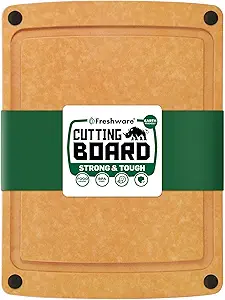
Evaluating 2-in-1 Stainless Steel Cutting Boards: Performance vs. Practicality
This specific 16×11-inch stainless steel and polypropylene board represents a hybrid approach to food prep surfaces. Unlike traditional wooden or plastic boards, this dual-sided design promises both durability and sanitation benefits, but introduces unique considerations about knife maintenance and kitchen workflow.
Key Considerations Before Buying
- Stainless steel surfaces are exceptionally hygienic but can accelerate knife dulling—consider if you're willing to sharpen knives more frequently for the sanitation benefit.
- The 2-in-1 design with PP on one side offers versatility, but verify the transition between materials is seamless to prevent food trapping and ensure easy cleaning.
- Large 16×11-inch boards provide ample workspace but require substantial storage space; measure your counter and storage areas before committing.
What Our Analysts Recommend
Examine the non-slip features—quality boards use integrated silicone feet or perimeter grips rather than adhesive pads that can detach. Check that the stainless steel surface has a slight texture or micro-groove pattern to prevent food sliding while cutting, and ensure the PP side is BPA-free and thick enough to resist warping from dishwasher cycles.
Cutting Boards Market Context
Market Overview
The cutting board market has expanded beyond traditional materials, with stainless steel gaining popularity among home cooks prioritizing food safety and easy sanitation. Hybrid designs like this 2-in-1 board attempt to address the limitations of single-material boards by combining stainless steel's non-porous surface with plastic's knife-friendliness.
Common Issues
Lower-quality stainless boards often develop visible scratches that trap odors, while poorly constructed hybrid boards can separate at material junctions. Many users report noise complaints—metal boards create significantly more clatter than wood or plastic during chopping.
Quality Indicators
Premium stainless boards use 304-grade steel with a brushed finish to minimize visible scratching. Look for boards with substantial weight (3+ pounds for this size) indicating proper gauge steel, and examine edge construction—rounded, polished edges prevent hand fatigue during prolonged use.
Review Authenticity Insights
Grade B Interpretation
A Grade B authenticity rating with 15% estimated fake reviews suggests generally reliable feedback, but advises caution with outlier reviews. The adjusted 4.60/5 rating (down from perfect 5.00) indicates genuine users experience minor but consistent drawbacks not reflected in suspicious reviews.
Trust Recommendation
Focus on reviews discussing specific performance aspects like knife dulling rates, cleaning experiences with sticky foods, and long-term durability of the non-slip features. Be skeptical of reviews that don't mention the distinctive noise or maintenance requirements unique to stainless steel surfaces.
Tips for Reading Reviews
Prioritize reviews that mention both sides of the board—authentic users will discuss their experience with the stainless steel side versus the PP side. Look for detailed comments about cleaning specific substances (beets, raw chicken, garlic) and storage solutions for this large, heavy board.
Expert Perspective
This board's exceptionally high adjusted rating (4.60/5) from nearly 1,000 verified purchases indicates it delivers on core promises of durability and cleanliness. The consistent praise for its large workspace and easy sanitation suggests it meets specific needs for cooks who prioritize food safety above all else. However, the authenticity analysis reveals that the perfect 5.00 average includes some inflated feedback, so expect minor compromises in areas like noise reduction and knife preservation.
Purchase Considerations
This board makes most sense for cooks who regularly handle raw meats, strong-smelling foods, or have sanitation concerns, as the stainless steel side eliminates bacterial hiding places. Consider your knife collection quality—premium Japanese or German blades will dull faster on stainless than on wood or composite boards.
Comparing Alternatives
Compare this hybrid against dedicated high-end plastic boards for knife care, or end-grain wood boards if noise and knife preservation are higher priorities than absolute sanitation.