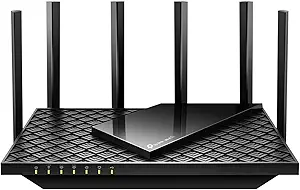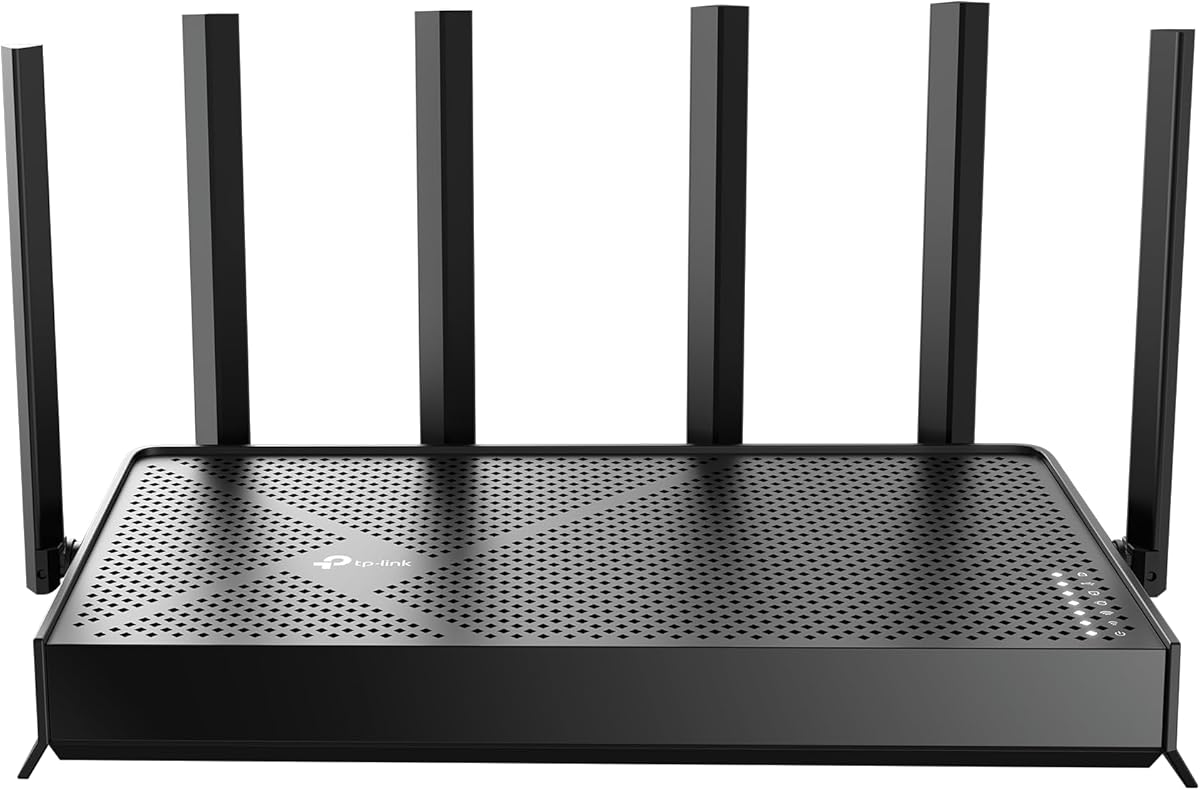
Wi-Fi 7 routers like the Archer BE6500 demand careful evaluation of future-proofing features
The TP-Link Archer BE6500 represents an early Wi-Fi 7 router, balancing next-generation wireless technology with practical home networking needs. Buyers should understand that its dual-band Wi-Fi 7 implementation differs from tri-band models, prioritizing efficiency over maximum channel separation.
Key Considerations Before Buying
- The dual 2.5 Gbps ports are crucial for connecting high-speed internet plans or creating a fast backbone to a NAS, but verify your modem and devices support these speeds.
- Coverage claims of 2,400 sq. ft. for 90 devices depend heavily on home construction materials; dense walls or interference can significantly reduce effective range.
- HomeShield security and Private IoT network features add value but may require subscription fees for advanced functionality after any trial period.
What Our Analysts Recommend
For Wi-Fi 7 routers, examine Multi-Link Operation (MLO) implementation details and supported channel bandwidths (160MHz/320MHz). Quality indicators include robust QoS settings for managing the Quad-core CPU's power and detailed parental controls beyond basic time limits.
Routers Market Context
Market Overview
The Wi-Fi 7 router market is emerging, with products like the Archer BE6500 targeting early adopters who want next-gen features without premium tri-band pricing. Competition focuses on balancing new 6GHz band availability with backward compatibility for older devices.
Common Issues
Early Wi-Fi 7 adopters often face device compatibility gaps, as few client devices currently support the standard. Firmware stability can be inconsistent in first-generation products, and heat management becomes critical with increased processing demands.
Quality Indicators
Look for routers with comprehensive QoS controls, granular band steering options, and detailed traffic analytics. Quality Wi-Fi 7 implementations will clearly document MLO capabilities and provide tools for optimizing the 2.5 Gbps LAN/WAN ports.
Review Authenticity Insights
Grade B Interpretation
A Grade B with 15% estimated fake reviews suggests generally reliable feedback but warrants scrutiny of overly enthusiastic 5-star reviews. The drop from 4.89 to 4.50 when adjusting for suspicious reviews indicates some review inflation exists.
Trust Recommendation
Prioritize reviews discussing specific Wi-Fi 7 performance, the USB 3.0 port's functionality for media sharing, or real-world experiences with the 90-device claim. Verified purchase status (marked 'V') adds credibility, especially for technical observations.
Tips for Reading Reviews
Focus on reviews that mention Wi-Fi 7 device compatibility testing, heat generation during sustained transfers, or detailed setup experiences with the dual 2.5 Gbps ports. Be skeptical of reviews lacking technical specifics about range or device count.
Expert Perspective
The Archer BE6500's strong adjusted rating of 4.50/5 from verified purchasers indicates it delivers solid performance for an early Wi-Fi 7 router. Its value proposition centers on bringing Wi-Fi 7's efficiency benefits and future-proof 2.5 Gbps ports to a mainstream price point, though the dual-band design may limit ultimate performance compared to tri-band alternatives. The Quad-core CPU should handle the 90-device claim adequately for mixed-use homes, not simultaneous high-bandwidth applications.
Purchase Considerations
Consider this router if you have or plan to get multi-gigabit internet service and want to future-proof your network backbone. However, if you currently own many Wi-Fi 6E devices that utilize the 6GHz band, note this dual-band model operates on 2.4GHz and 5GHz only.
Comparing Alternatives
Shoppers should compare the BE6500's dual-band Wi-Fi 7 approach against tri-band Wi-Fi 6E routers and other Wi-Fi 7 models with different port configurations.