Choosing a Magnetic Wire Puller: Magnet Strength, Leader Durability, and Storage Matter
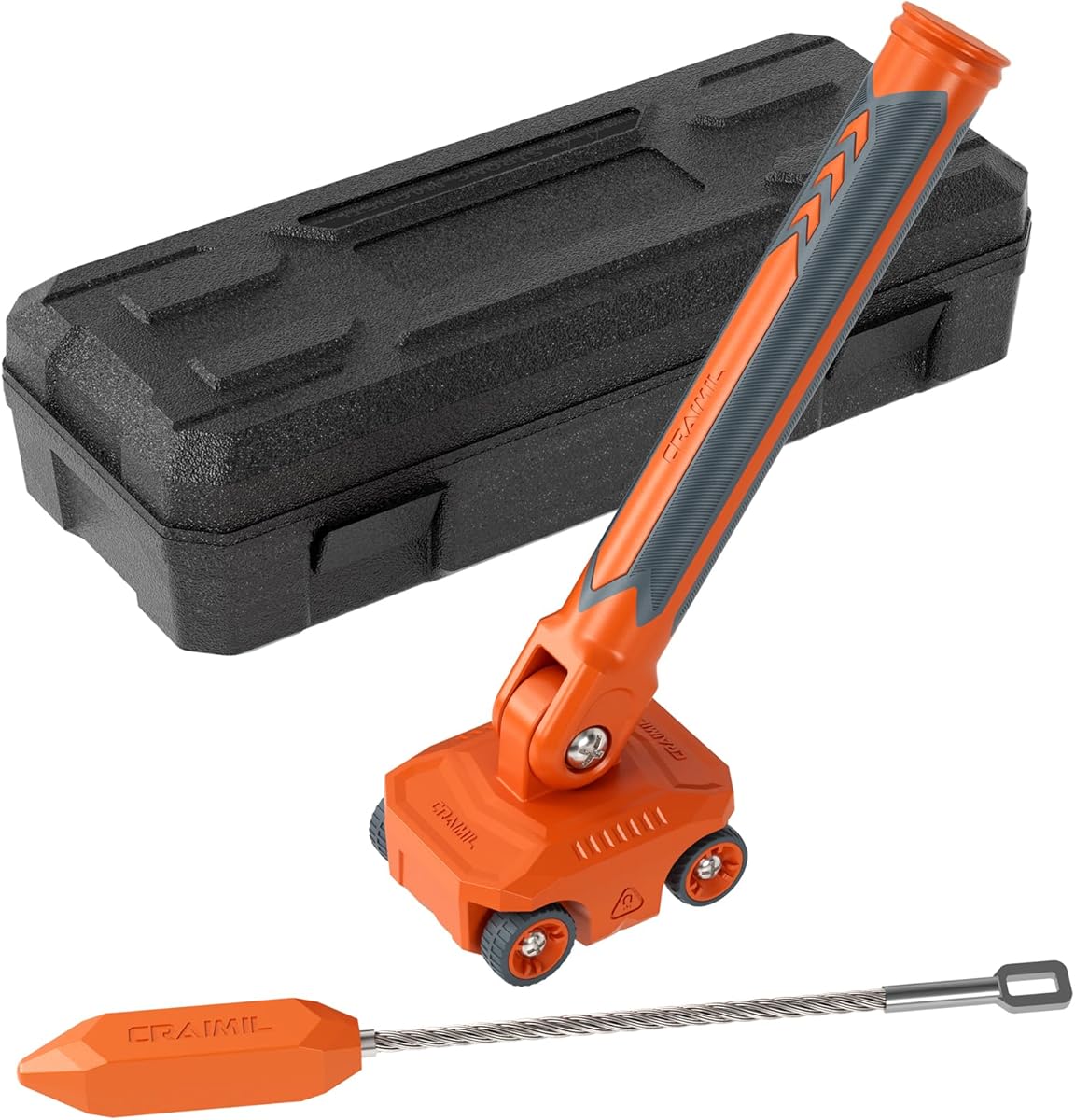
When selecting a magnetic wire puller for electrical work, the specific combination of rare-earth magnets and stainless-steel leader defines performance. This particular tool's dual function as a stud finder and inclusion of a hard plastic case are key differentiators from basic pullers. Buyers should prioritize tools that match their typical wire gauge and wall construction.
Key Considerations Before Buying
- Magnet strength and composition: This product's rare-earth magnets are crucial for pulling through drywall and insulation, but verify they're strong enough for your specific wall materials and potential obstructions.
- Leader material and flexibility: The stainless-steel leader must resist kinking while remaining flexible enough to navigate tight bends in wall cavities and around fire blocks.
- Secondary functionality and storage: The stud-finding capability adds value, but ensure it's reliable. A hard case like the one included protects the delicate magnets during transport in a tool bag.
What Our Analysts Recommend
High-quality magnetic pullers feature a seamless connection between the leader line and the magnet housing to prevent snagging. The leader should have a smooth, rounded tip to avoid damaging wire insulation. For the magnet itself, look for a robust, recessed housing that protects the magnets from chipping during use.
Pulling Grips Market Context
Market Overview
The cable pulling grip market is segmented between basic fish tapes and specialized magnetic pullers designed for retrofit work. Magnetic pullers have gained popularity for residential and light commercial electrical upgrades where accessing wall cavities is challenging. Products now frequently bundle additional features, like stud finding, to increase value.
Common Issues
Common failures include weak magnets that detach in insulated walls, leaders that kink permanently after a few uses, and flimsy storage solutions that lead to damaged magnets. Many cheaper models use lower-grade ceramic magnets that struggle with thicker drywall or longer distances.
Quality Indicators
Superior pullers specify the type and grade of rare-earth magnet (e.g., N52), use a braided or spring-tempered stainless leader, and include a protective case. The connection point between the leader and magnet should be a welded or swaged fitting, not just a glued joint.
Review Authenticity Insights
Grade B Interpretation
A Grade B authenticity score with an estimated 15% fake review rate suggests generally reliable feedback, but advises a degree of scrutiny. The adjusted rating of 4.30/5 (down from 4.67/5) is a more realistic performance indicator after filtering suspicious patterns.
Trust Recommendation
Focus on reviews that detail specific projects, like pulling Romex through an insulated exterior wall or navigating around plumbing. Be slightly more skeptical of overly effusive reviews that don't mention any limitations, such as the tool's effectiveness on metal studs or with very stiff cables.
Tips for Reading Reviews
For this tool, prioritize reviews that mention the leader's performance in tight spaces or the magnet's hold strength over distance. Look for mentions of the case's durability and the stud finder's accuracy, as these are specific, testable claims.
Expert Perspective
This magnetic wire puller presents a strong offering based on its component specs—rare-earth magnets and stainless leader—which are hallmarks of a capable tool. The high adjusted rating of 4.30/5, derived from predominantly authentic reviews, indicates consistent user satisfaction in real-world conditions. The included hard case is a significant practical advantage often missing from competitors, addressing a key pain point in tool longevity. The dual functionality as a stud finder adds convenience for the target user, typically a DIYer or electrician performing retrofit work.
Purchase Considerations
Weigh this tool's strengths against your primary use case: it excels at vertical pulls in finished walls and fishing lines through insulation. Consider if the convenience of the integrated stud finder justifies any potential compromise versus a dedicated, high-accuracy stud sensor. The robust storage solution makes it ideal for technicians who carry it in a vehicle or crowded tool bag.
Comparing Alternatives
Shoppers should compare the magnet strength and leader length of this model against other pullers in the same price tier, particularly those that may offer a longer leader for larger spaces.