Choosing a Battery-Powered CO Detector: What This Kidde Model Offers
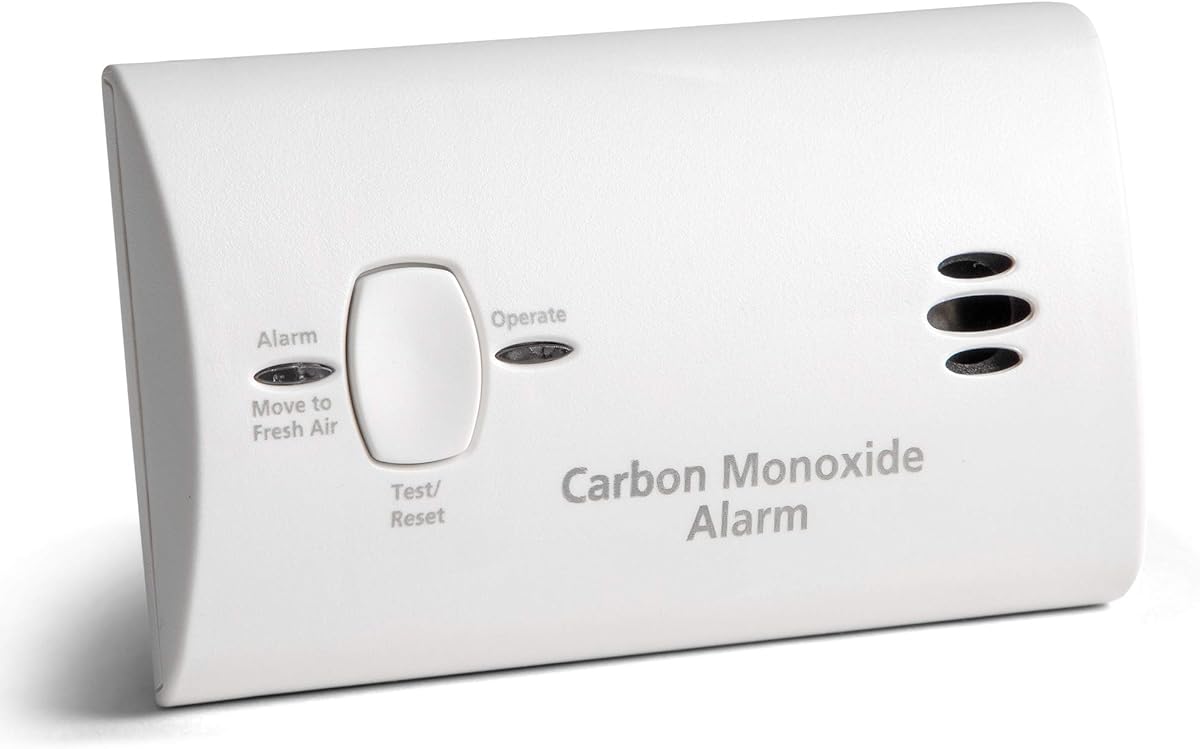
When selecting a battery-powered carbon monoxide detector like this Kidde model, you're prioritizing portability and installation flexibility over hardwired reliability. This specific unit's design—featuring a test-reset button, LED indicators, and a low-battery warning—addresses core user needs for simple operation and maintenance awareness. Understanding its battery-powered nature is crucial, as it dictates placement strategy and testing frequency.
Key Considerations Before Buying
- Battery life and replacement: This detector's low-battery indicator is critical, but you must proactively test it monthly, as battery failure is the leading cause of non-operation in portable units.
- Placement and portability: While 'portable' suggests flexibility, effective CO detection requires placement near sleeping areas and on each level of a home, away from corners and vents where airflow is stagnant.
- Sensor technology and end-of-life warning: Most detectors, including this Kidde, use electrochemical sensors with a finite lifespan (typically 5-10 years); note if this model includes a distinct end-of-life signal separate from the low-battery alert.
What Our Analysts Recommend
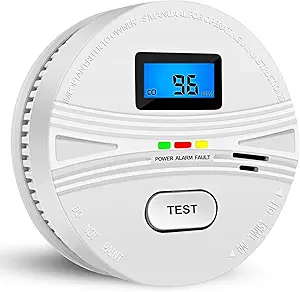
For battery-powered detectors, prioritize models with distinct, audible low-battery chirps that differ from the CO alarm pattern. Check for a loud, 85-decibel minimum alarm and a clearly labeled test button that allows you to verify both the horn and sensor circuitry. A unit with a digital display for real-time PPM (parts per million) readout offers more information but isn't present on this basic Kidde model.
Carbon Monoxide Detectors Market Context
Market Overview
The CO detector market is dominated by a few major safety brands like Kidde and First Alert, with battery-powered models representing a significant segment for renters, older homes without hardwired systems, and supplemental coverage. Recent trends include increased integration with smart home systems, though this Kidde unit remains a standalone, analog device.
Common Issues
Consumer complaints often center on nuisance alarms triggered by low batteries rather than CO, confusing chirp patterns, and premature sensor failure before the stated lifespan. Battery-powered units specifically face issues with users forgetting to replace batteries annually or ignoring the initial low-battery warning chirp.
Quality Indicators
Look for UL 2034 certification, which is non-negotiable and confirms the unit meets strict sensitivity and alarm threshold standards. A well-designed test button should trigger a full system check, not just a sound test. Robust construction with clear labeling for 'Alarm' and 'Power' LEDs, as seen on this Kidde, reduces user confusion during an event.
Review Authenticity Insights
Grade B Interpretation
A 'Grade B' authenticity rating with an estimated 15% fake review rate indicates a generally trustworthy review pool, but suggests you should be moderately skeptical of extreme opinions. For this high-volume product with over 36,000 reviews, this level of inauthenticity is not uncommon and often involves incentivized reviews that over-emphasize packaging or delivery speed.
Trust Recommendation
Focus on verified purchase reviews that discuss long-term performance (6+ months), specific installation scenarios, or battery replacement experiences. The adjusted rating of 4.00/5, down from the raw 4.33/5, is a more reliable indicator of genuine satisfaction, aligning it as a solid, but not flawless, option in its category.
Tips for Reading Reviews
Prioritize reviews that mention the actual use of the test button, describe the sound level of the alarm, or note the duration before the first low-battery warning. Be wary of reviews that only praise the price or delivery without detailing the product's operation, as these are common hallmarks of less substantive feedback.
Expert Perspective
This Kidde battery-powered CO detector presents a competent, no-frills entry in the portable safety market. Its 4.00 adjusted rating from a large sample of verified purchases suggests reliable performance for its core function. The lack of a digital PPM display or smart features keeps it simple and affordable, but limits information during potential low-level CO events. Its design, with dedicated LEDs and a test-reset button, follows industry best practices for user interface.
Purchase Considerations
Choose this model if you need a straightforward, easy-to-install detector for a space without wired interconnect capability, and you are disciplined about annual battery replacement and monthly testing. Consider a hardwired or interconnected system if you own a multi-story home, as standalone units cannot alert you to threats in other zones. The portability is a true benefit for temporary spaces like RVs or workshops.
Comparing Alternatives
Shoppers should compare this unit's features and price against similar battery-only models from First Alert, particularly evaluating alarm loudness, battery compartment design, and warranty length.