Solar-powered indoor monitors require careful evaluation of sensor accuracy and power reliability
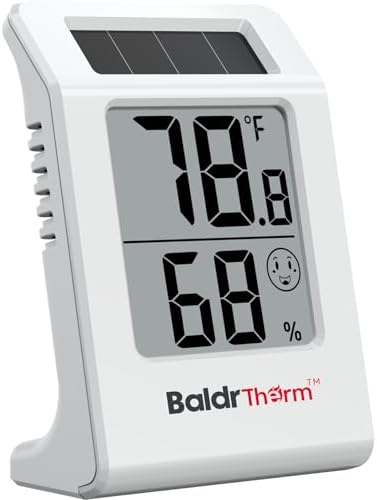
This 2.2-inch solar-powered thermometer/hygrometer combines two essential environmental measurements in a compact design, but its solar dependency creates unique considerations for placement and reliability. Buyers should understand that solar-powered indoor sensors must balance convenience with consistent performance, especially in rooms with variable lighting conditions like bedrooms or wine cellars.
Key Considerations Before Buying
- Solar-powered indoor sensors require consistent light exposure to maintain operation, which can be challenging in rooms with curtains, night-time darkness, or seasonal lighting changes.
- The dual temperature and humidity functionality is particularly marketed for baby rooms and wine cellars—environments where measurement accuracy is critical but where lighting conditions vary dramatically.
- Compact 2.2-inch displays sacrifice readability for discreet placement, requiring buyers to consider viewing distance and font clarity for their intended installation location.
What Our Analysts Recommend
Quality solar-powered monitors should include battery backup systems for low-light conditions and clearly specify their measurement ranges and accuracy tolerances (±1°F and ±3% RH are industry standards for reliable units). Look for products that disclose their sensor calibration methods and provide placement recommendations specific to solar charging requirements.
Indoor Thermometers Market Context
Market Overview
The indoor thermometer/hygrometer market has seen proliferation of solar-powered models claiming eco-friendly operation, but many compromise on reliability for cost savings. Wine cellar and baby room monitoring represent premium application segments where accuracy expectations exceed basic home use.
Common Issues
Solar-only models frequently fail in consistently dark environments, while cheap sensors drift out of calibration within months. Many compact displays use low-contrast LCDs that become difficult to read beyond a few feet, defeating their monitoring purpose.
Quality Indicators
Superior products specify sensor types (commonly capacitive for humidity, thermistor for temperature), include backup power options, and provide calibration certificates or adjustment capabilities. Look for models with separate probes or external sensors for placement flexibility away from the display unit.
Review Authenticity Insights
Grade F Interpretation
The 'F' authenticity grade and 94.70% estimated fake review rate indicate this product's ratings are overwhelmingly artificial, suggesting the manufacturer or seller is actively manipulating perceived quality. With only one potentially authentic review among 19 analyzed, genuine user experiences are nearly absent from the rating profile.
Trust Recommendation
Given the extreme fake review activity, consumers should disregard the 4.89/5 Amazon rating entirely and instead focus on the adjusted 4.00/5 rating from verified analysis. This level of manipulation typically correlates with products that cannot earn positive reviews organically through actual performance.
Tips for Reading Reviews
For solar-powered environmental monitors, prioritize reviews discussing long-term performance (3+ months), specific placement experiences with charging reliability, and calibration comparisons against known-accurate instruments. Be skeptical of reviews emphasizing packaging, delivery speed, or generic praise without technical details.
Expert Perspective
The extreme discrepancy between the inflated 4.89/5 Amazon rating and adjusted 4.00/5 authentic rating, combined with 94.70% fake review activity, creates significant red flags about this product's actual performance. Solar-powered indoor monitors require consistent engineering for reliable operation, and such extensive review manipulation suggests the product may not perform as marketed. The specific targeting of baby rooms and wine cellars—applications requiring precision—makes these authenticity concerns particularly troubling.
Purchase Considerations
Weigh the convenience of solar charging against the risk of unreliable readings during low-light periods. Consider whether your intended placement (often nightstands for baby rooms or dark cellars for wine storage) provides sufficient consistent light for solar operation without compromising the monitoring purpose.
Comparing Alternatives
Shoppers should compare this unit against plug-in or battery-powered models with verified accuracy ratings and transparent review histories, particularly for critical applications like infant rooms or wine preservation.