
Choosing a Kid's Digital Microscope: Screen Quality, Magnification, and Durability Matter
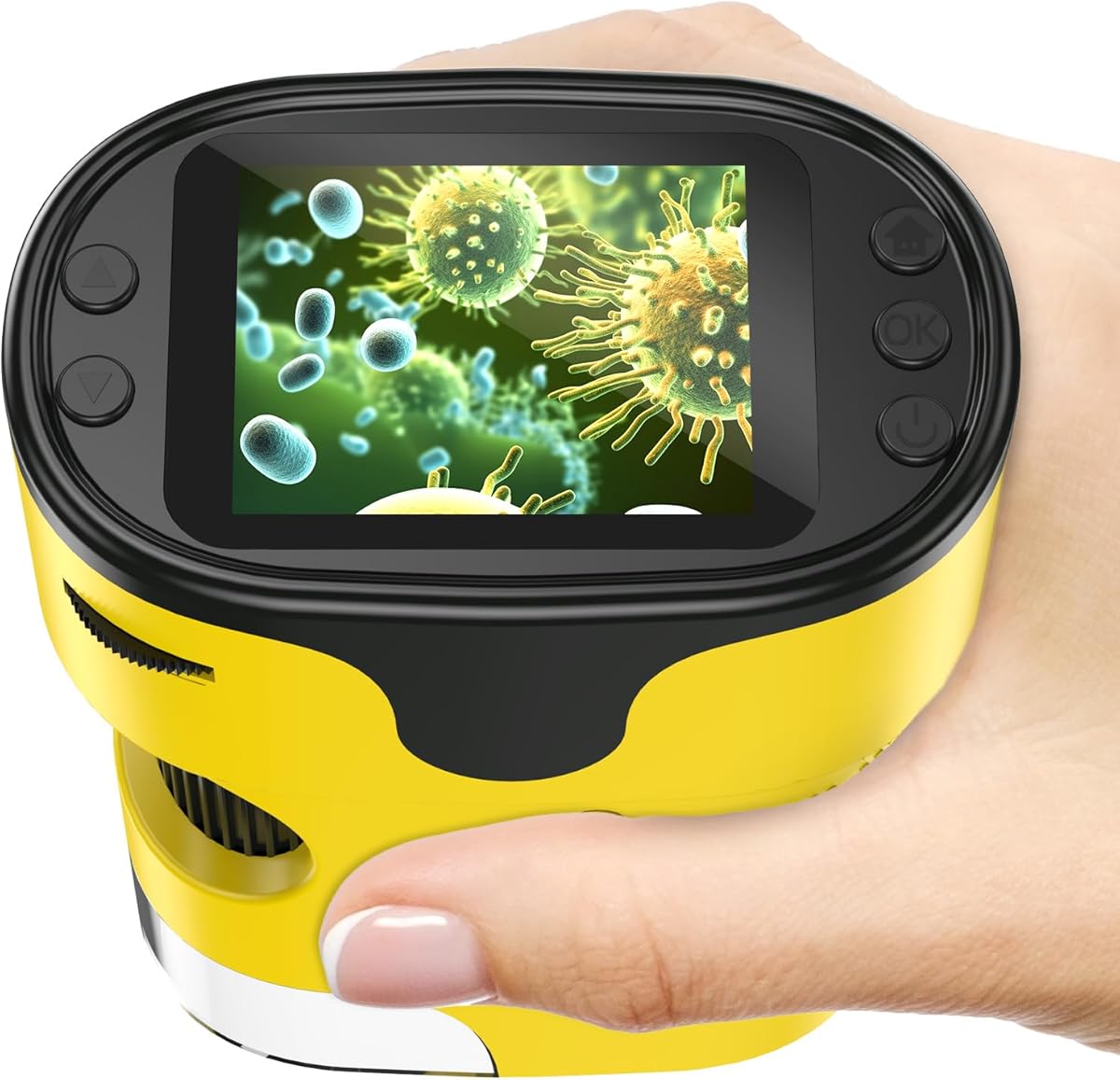
When evaluating this specific 1000X handheld microscope with a 2.0" screen and slides kit, focus on its dual role as a portable exploration tool and a structured learning device. Unlike traditional optical microscopes, this digital model prioritizes immediate visual feedback and ease of use for young hands, which fundamentally changes the educational experience.
Key Considerations Before Buying
- Verify the actual optical vs. digital magnification; a 1000X claim is often digital interpolation, while true optical clarity at lower magnifications (like 50X-200X) is more critical for clear imaging of slides and everyday objects.
- Assess the rechargeable battery life and charging method, as a portable microscope is useless if it dies during a backyard exploration session; look for USB-C versus older micro-USB ports for longevity.
- Evaluate the included slides kit's quality—pre-made slides with legitimate specimens (like insect parts or plant cells) offer more educational value than blank slides, which shift preparation work to parents.
What Our Analysts Recommend
A quality kids' digital microscope should have a responsive touchscreen or clear button controls, a sturdy build to withstand drops, and adjustable LED lighting that doesn't wash out details. The included software for image capture should be simple enough for the target age group (4-12) to operate independently, fostering genuine discovery.
Microscopes Market Context
Market Overview
The children's digital microscope market is flooded with similar-looking devices claiming high 'digital' magnification, often creating confusion between optical resolution and software zoom. This product sits in the mid-range, offering a built-in screen which eliminates the need for a separate smartphone or tablet, a key differentiator from cheaper lens-only models.
Common Issues
Common frustrations include blurry images at advertised maximum magnification, poor battery management, and flimsy construction that breaks after minor impacts. Another frequent issue is software glitches in photo/video capture, which can frustrate children eager to document their finds.
Quality Indicators
Look for mentions of clear focus adjustment mechanisms (like a side wheel), robust housing without sharp edges, and consistent positive remarks about image clarity on the 2.0" screen itself. Reviews that mention successful use with the included slides or outdoor items like leaves and insects signal functional optics.
Review Authenticity Insights
Grade B Interpretation
A Grade B with an estimated 12% fake review rate suggests the majority of feedback is reliable, but shoppers should be slightly cautious of overly effusive 5-star reviews that lack specific usage details. The adjusted rating of 4.30/5 (down from 4.60/5) is a more trustworthy benchmark of real user satisfaction.
Trust Recommendation
Prioritize verified purchase reviews that describe hands-on experiences, like a child examining a specific rock or struggling with the focus on a bug. Be skeptical of reviews only praising packaging or delivery speed, as these are common in incentivized feedback.
Tips for Reading Reviews
For this product, specifically search reviews mentioning the 'slides kit' usage, battery life during extended play, and the screen's visibility in different lighting. Multilingual reviews (like the German ones noted) can sometimes offer unfiltered perspectives on build quality.
Expert Perspective
This microscope's strong adjusted rating of 4.30/5 from authentic reviews indicates it largely delivers on its core promise: providing an engaging, screen-based introduction to microscopy for children. The inclusion of a slides kit is a significant value-add that structures learning, moving beyond a simple magnifying gadget. However, the 1000X magnification claim is typical marketing hyperbole; real-world utility will be in the 50X-200X range for clear imaging. The built-in screen eliminates device compatibility issues, making it a truly standalone tool ideal for younger children in the 4-8 range.
Purchase Considerations
Weigh the convenience of the all-in-one design against potentially better image quality from a smartphone-attachable microscope in the same price range. Consider if the child will use it primarily for the prepared slides (structured learning) or for impromptu exploration (where portability and toughness are key).
Comparing Alternatives
Shoppers should compare this model's 2.0" screen size and slide-based approach with competitors offering larger screens or different accessory sets (e.g., carrying cases, more diverse slide specimens).


