Choosing a Japanese Futon: Density, Thickness, and Floor Compatibility Matter
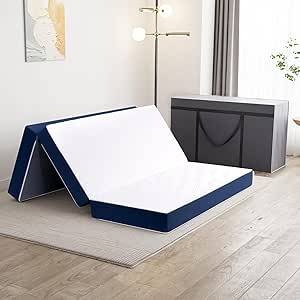
The Vibe Bear Premium Foam Japanese Futon represents a modern take on traditional floor sleeping, using 100% high-density foam instead of cotton batting. Buyers should understand that a 3.2-inch thickness with high-density foam creates a different support profile than traditional multi-layer cotton futons, offering more immediate firmness and less break-in time. This specific construction makes it particularly suitable for dormitories, guest rooms, or minimalist living spaces where foldability and storage are priorities.
Key Considerations Before Buying
- The 3.2-inch thickness with high-density foam provides firm support but may require additional padding for side sleepers or those accustomed to thicker mattresses.
- Floor compatibility is crucial—this futon needs a clean, dry, and relatively smooth surface; it's not designed for direct use on rough outdoor surfaces or damp areas.
- The foldable design and twin size (39"x80") make it ideal for space-constrained environments, but verify your floor space dimensions, as some traditional futon frames may not accommodate this exact size.
What Our Analysts Recommend
For foam-based Japanese futons like the Vibe Bear, examine foam density specifications—higher density (typically 1.8-2.5 lb/ft³) indicates better durability and support retention. Check for edge reinforcement in the construction, as foam mattresses can suffer from edge collapse over time. The cover material should be breathable and removable for cleaning, given the floor placement increases exposure to dust and allergens.
Japanese Futon Mattresses Market Context
Market Overview
The Japanese futon market in North America has expanded beyond traditional cotton designs to include foam, latex, and hybrid constructions, with foam models like the Vibe Bear gaining popularity for their consistent firmness and lower maintenance. Canadian consumers particularly seek these products for seasonal guest bedding, small apartments, and as alternatives to expensive traditional mattresses. The category now includes both authentic Japanese imports and Western-adapted versions with different thickness and material specifications.
Common Issues
Common complaints in this category include inadequate thickness for heavier individuals, foam that loses resilience within months, and covers that aren't truly removable or machine-washable. Many users underestimate the need for regular airing and rotation to prevent moisture buildup when used directly on floors. Some foam futons develop permanent creases along fold lines, compromising sleep surface integrity.
Quality Indicators
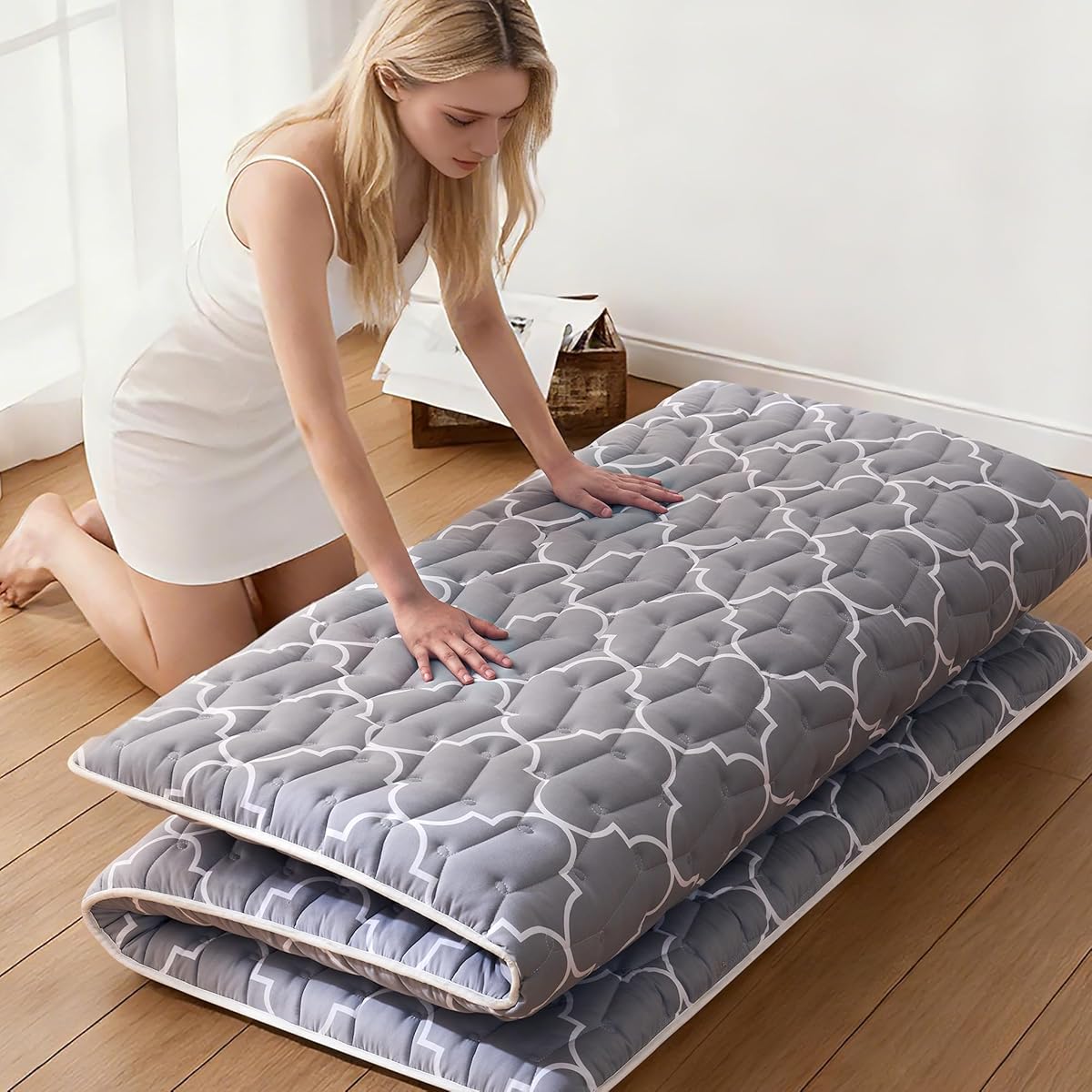
Quality foam futons specify density measurements (not just 'high density'), use multi-zone foam construction for better support, and include non-slip bottoms for floor placement. Better products feature quilted or textured covers that prevent slipping off the mattress during sleep. Look for manufacturers that disclose foam certifications (CertiPUR-US, etc.) for indoor air quality assurance.
Review Authenticity Insights
Grade B Interpretation
The Grade B authenticity rating with 15% estimated fake reviews indicates generally reliable feedback with moderate verification confidence. For this Vibe Bear futon, the adjusted rating of 4.50/5 (down from 4.89/5) suggests the genuine user experience remains strongly positive, though slightly less perfect than the raw average implies. The high percentage of verified purchases (all nine analyzed reviews) significantly boosts credibility despite the authenticity concerns.
Trust Recommendation
Focus on reviews that discuss specific use cases like dorm living, guest bedding, or floor sleeping transitions, as these contain more authentic detail than generic praise. Pay particular attention to reviews mentioning long-term use (3+ months) and how the 3.2-inch foam holds up to regular folding and unfolding, as this tests the product's durability claims.
Tips for Reading Reviews
Look for reviews that mention the foam's firmness evolution over weeks of use, as quality high-density foam should maintain support. Authentic reviews often describe specific floor types (hardwood, tile, carpet) and how the futon performs on each. Be skeptical of reviews that don't mention the thickness or folding functionality, as these are critical differentiators for this product.
Expert Perspective
The Vibe Bear Premium Foam Japanese Futon presents a compelling option in the floor mattress category, particularly for its combination of high-density foam and practical 3.2-inch profile. The strong adjusted rating (4.50/5) from verified purchasers suggests it delivers on core promises of comfort and foldability. However, the foam construction requires different care than traditional futons—regular rotation is essential to prevent body impressions, and the non-breathable nature of foam necessitates more diligent airing when used on floors. The product's twin size and foldability make it strategically positioned for the Canadian market's urban apartments and seasonal guest use cases.
Purchase Considerations
Weigh whether you need true floor sleeping (where this excels) versus occasional use on frames or platforms. Consider your climate—foam retains more heat than cotton, which could be advantageous in colder Canadian climates but less ideal in humid summer months. The 39x80 inch dimensions are slightly different than standard North American twin sizes, so verify compatibility with your sheets and space.
Comparing Alternatives
Shoppers should compare this foam construction against traditional cotton-filled Japanese futons and hybrid models that combine foam with fiber layers for different comfort profiles.