Choosing a Single-Ear Bluetooth Headset for Professional Computer Use
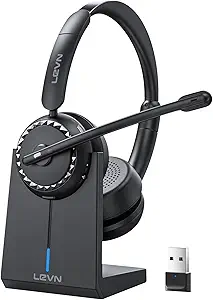
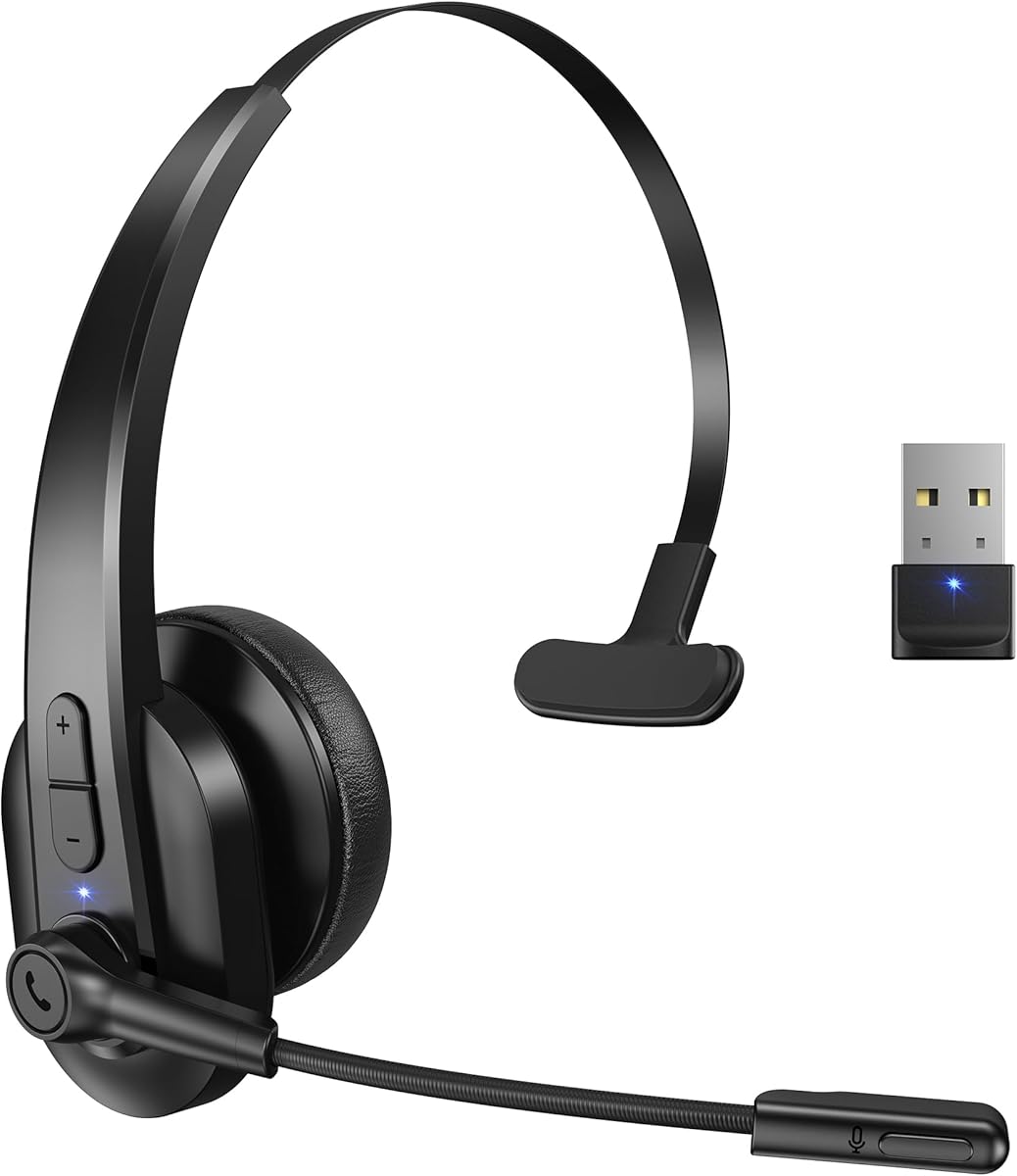
This specific Bluetooth headset targets professionals who need hands-free communication while working at a computer, with its defining feature being the included USB dongle for reliable PC connectivity. Unlike standard Bluetooth headsets, this model prioritizes office and trucker use cases with a single-ear design and dedicated mute button, making it a specialized tool rather than a general-purpose audio device.
Key Considerations Before Buying
- The USB dongle is critical for computers without built-in Bluetooth 5.2, ensuring stable connectivity that's often more reliable than native PC Bluetooth stacks, which can be prone to interference or driver issues.
- Single-ear designs like this sacrifice stereo audio for situational awareness, making them ideal for office environments where you need to hear colleagues or for truckers monitoring vehicle sounds.
- Noise cancelling microphones in this price segment typically use basic DSP algorithms to reduce background noise; effectiveness varies significantly between quiet offices and noisy truck cabins.
What Our Analysts Recommend
Check for specific mentions of battery life during actual work calls (not just standby), as advertised 8-10 hour claims often drop to 5-7 hours with microphone active. Look for reviews discussing the physical mute button's tactile feedback and placement, as poorly designed buttons can be accidentally triggered during wear.
Computer Headsets Market Context
Market Overview
The single-ear Bluetooth computer headset market has expanded rapidly with remote work, creating distinct segments between premium unified communications devices and budget-friendly options like this model. Products in this $30-$50 range typically compete on battery life and microphone clarity rather than premium materials or advanced features like multipoint connectivity.
Common Issues
Many budget single-ear headsets suffer from microphone boom arm fatigue failure after 6-12 months of daily adjustment, and USB dongles sometimes experience compatibility issues with specific motherboard chipsets or USB port types. Battery degradation is also common, with noticeable capacity drops often occurring within the first year of daily use.
Quality Indicators
Look for mentions of consistent Bluetooth 5.2 connectivity without dropouts at 10-15 foot ranges from the dongle, as this indicates proper antenna design. Reviews describing clear microphone transmission in moderately noisy environments (like home offices with background chatter) suggest effective basic noise cancellation implementation.
Review Authenticity Insights
Grade B Interpretation
A Grade B with 15% estimated fake reviews indicates generally trustworthy feedback with some promotional inflation, common for electronics in this competitive price segment. The adjusted 4.60 rating from 4.60/5 suggests the authentic user experience remains strongly positive, though slightly below the perfect 5.00 shown.
Trust Recommendation
Focus on reviews that mention specific use cases like '8-hour Zoom day' or 'truck cab installation,' as these contain verifiable details less likely to be fabricated. Be slightly skeptical of reviews emphasizing only packaging or delivery speed without addressing actual performance during calls.
Tips for Reading Reviews
Prioritize reviews discussing compatibility with specific software (Teams, Zoom, Discord) and computer types, as these demonstrate real-world testing. Look for mentions of wearing comfort over 4+ hours, as single-ear designs create asymmetric pressure that some users find fatiguing.
Expert Perspective
This headset's strong adjusted 4.60 rating from over 1,200 verified purchases indicates it reliably delivers core functionality for computer-based communication. The specific praise for the USB dongle's plug-and-play simplicity suggests it successfully solves the connectivity problems that plague many Bluetooth headsets on Windows PCs. However, the product clearly serves a niche: professionals who value microphone clarity and single-ear convenience over music quality or all-day comfort.
Purchase Considerations
Consider your primary use case—this headset excels at voice calls but isn't designed for music or multimedia. The single-ear design may frustrate users who occasionally need stereo audio. Weigh the convenience of wireless operation against the need to charge yet another device daily if used extensively.
Comparing Alternatives
Shoppers should compare similar single-ear models from Jabra and Plantronics that offer potentially better build quality at higher price points, or dual-ear options if situational awareness isn't critical.