Evaluating 320W GaN III Charging Stations: Power Distribution vs. Real-World Performance
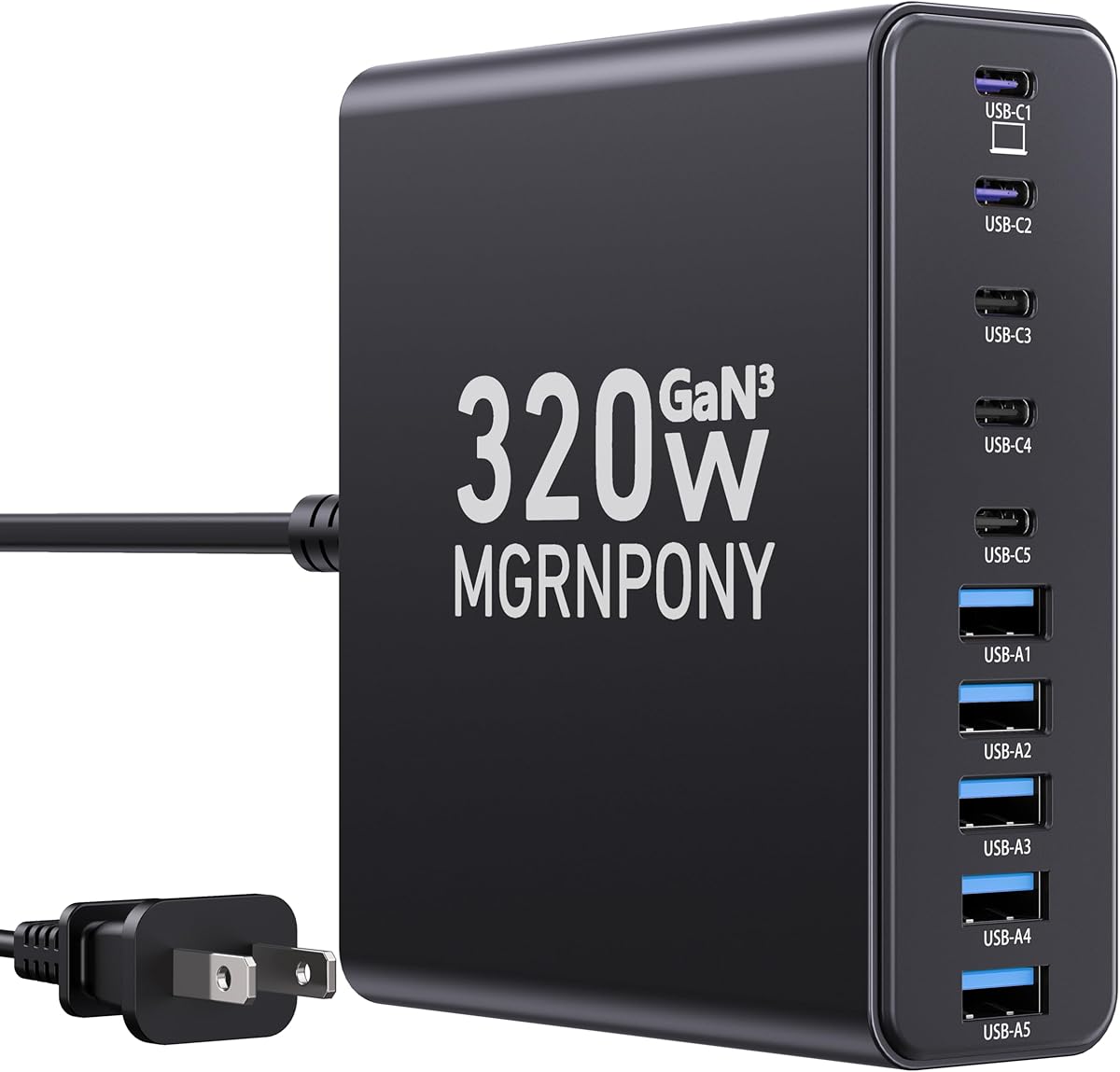
This 10-port GaN III charger promises 320W total output with a 65W USB-C PD port, but buyers should understand how power is actually allocated across multiple devices. The specific combination of 65W laptop charging alongside nine other ports requires careful examination of simultaneous load management, which is critical for multi-device users.
Key Considerations Before Buying
- Verify actual power distribution: A 65W PD port alongside nine other ports means the remaining 255W is split unevenly, potentially limiting fast charging on multiple devices simultaneously.
- GaN III technology claims: While GaN (Gallium Nitride) allows for smaller, cooler chargers, 'GaN III' is a marketing term without universal standards; check for independent thermal performance testing.
- 10-port practicality: Consider whether you truly need ten charging ports or if a smaller, higher-quality unit with better power allocation would serve your devices more reliably.
What Our Analysts Recommend
For multi-port GaN chargers, examine detailed power distribution charts showing simultaneous load capabilities, not just maximum theoretical outputs. Quality units will clearly specify each port's maximum output when others are in use, and should include over-current, over-voltage, and short-circuit protection certifications from recognized testing laboratories.
Wall Chargers Market Context
Market Overview
The high-wattage multi-port charger market has exploded with GaN technology, creating a crowded field where manufacturers compete on port count and total wattage while sometimes compromising on reliable power delivery. Products like this 320W 10-port station represent the extreme end of this trend, pushing theoretical limits that may not translate to practical daily use.
Common Issues
Many multi-port chargers fail to deliver advertised wattage when all ports are occupied, with significant voltage drops and thermal throttling during extended use. Another frequent problem is inaccurate or misleading labeling of USB-C PD capabilities, where only one port supports full power delivery while others offer limited charging speeds.
Quality Indicators
Look for UL, ETL, or CE certification marks rather than just FCC logos, which indicate proper safety testing. Premium chargers use high-quality capacitors from brands like Nichicon or Rubycon and provide detailed technical specifications including efficiency ratings (80 Plus Bronze equivalent or better) and operating temperature ranges.
Review Authenticity Insights
Grade D Interpretation
The 'D' authenticity grade and 65% estimated fake review rate indicate severe review manipulation, suggesting the 4.93/5 rating is artificially inflated. This discrepancy between the adjusted 3.30/5 rating and displayed rating represents one of the largest gaps observed in the charger category.
Trust Recommendation
Given the duplicate reviews (RU6E9XY3HFI8, R3VG6FO15MQ3XW, R259FBEP58MOTQ) and suspicious rating concentration, treat all positive claims about simultaneous charging performance with extreme skepticism. Focus instead on verified purchase reviews that mention specific device compatibility and long-term reliability.
Tips for Reading Reviews
For this product, prioritize reviews that discuss actual power measurements with multiple devices connected, mention thermal performance during extended use, or compare the 65W PD port performance against dedicated single-port chargers. Be wary of reviews using identical phrasing about 'fast charging' without device specifics.
Expert Perspective
The combination of exceptionally high displayed ratings (4.93/5) with severe authenticity concerns creates significant red flags. While 320W 10-port chargers can theoretically serve large device collections, the 65% fake review rate suggests the manufacturer may be compensating for performance shortcomings. The single 65W PD port in a 10-port configuration indicates this charger prioritizes quantity over quality for laptop users who need reliable high-speed charging.
Purchase Considerations
Weigh whether you genuinely need ten charging ports simultaneously or if a 4-6 port GaN charger from a reputable brand with better-reviewed power distribution would better serve your needs. Consider that charging ten devices at once likely requires careful cable management and may create heat management challenges not apparent in manipulated reviews.
Comparing Alternatives
Shoppers should compare this unit's specifications against established brands like Anker, Ugreen, or Satechi, which typically provide more transparent power distribution charts and have more reliable review histories for multi-port GaN chargers.