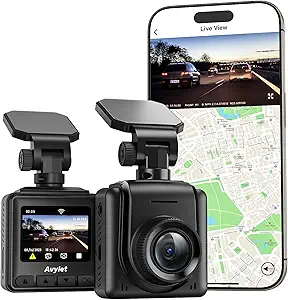
Evaluating 360-degree dash cams: What the 4-channel coverage really means for drivers
This 360 View dash cam represents the premium tier of vehicle recording systems, offering simultaneous front, rear, and interior monitoring. Unlike basic single-lens models, its four-channel design provides comprehensive coverage that's particularly valuable for rideshare drivers, fleet operators, and security-conscious commuters. The included 128GB card and supercapacitor indicate a complete package rather than a bare-bones system requiring additional purchases.
Key Considerations Before Buying
- The 160-degree wide-angle lenses on each camera create overlapping coverage zones—crucial for eliminating blind spots but requiring careful positioning to avoid excessive fisheye distortion.
- True 24-hour parking mode functionality depends on proper hardwiring installation, not just the camera's capabilities, making professional installation a consideration for this feature.
- The 5G band WiFi specification refers to the 5GHz wireless frequency for faster video transfer, not cellular 5G connectivity, which affects how quickly you can access footage on your phone.
What Our Analysts Recommend
For multi-channel systems, examine sample footage from all four cameras simultaneously to assess image consistency and processing power. The supercapacitor is superior to lithium batteries for temperature resilience but requires vehicle power for parking mode. Verify that the included 128GB card is high-endurance rated specifically for dash cam continuous write cycles.
On-Dash Cameras Market Context
Market Overview
The 4-channel dash cam market has evolved from professional fleet systems to consumer products, with most models clustering around $200-$400 price points. Current competition focuses on resolution balance across channels—many systems compromise interior camera quality while emphasizing front-facing performance.
Common Issues
Multi-camera systems frequently suffer from synchronization problems between channels during event recording, and WiFi connectivity often disappoints for large 4-channel video file transfers. Parking mode implementation varies widely, with some systems failing to properly detect impacts or conserve power during extended monitoring periods.
Quality Indicators
Look for WDR (Wide Dynamic Range) that functions consistently across all four cameras in high-contrast lighting. Genuine supercapacitor systems should specify operating temperature ranges exceeding 158°F. Premium 4-channel systems include GPS with accurate speed and location logging that syncs with all camera feeds.
Review Authenticity Insights
Grade B Interpretation
A Grade B authenticity rating with 15% estimated fake reviews suggests generally reliable feedback but warrants scrutiny of 5-star reviews. The drop from 4.89 to 4.50 adjusted rating indicates some review inflation, though 85% authentic reviews still provide substantial real-user data.
Trust Recommendation
Focus on verified purchase reviews discussing specific installation experiences or multi-camera synchronization, as these details are difficult to fabricate convincingly. Be particularly skeptical of reviews praising generic 'video quality' without mentioning how all four channels perform in different lighting conditions.
Tips for Reading Reviews
Prioritize reviews that mention using all four cameras simultaneously in real scenarios like parking incidents or multi-angle accident documentation. Look for discussions about the mobile app's handling of 4-channel footage management, as this reveals practical usability beyond specifications.
Expert Perspective
This system's 4.50 adjusted rating from predominantly authentic reviews indicates strong real-world performance, particularly notable for a complex 4-channel setup where installation challenges often depress ratings. The inclusion of a 128GB card addresses a common pain point—many competitors require separate high-endurance card purchases. The supercapacitor design reflects understanding of automotive temperature extremes, though the 5GHz WiFi implementation quality will determine practical usability for footage review. The maintained high rating despite the complexity of four-camera synchronization suggests competent engineering execution.
Purchase Considerations
Weigh whether you genuinely need interior monitoring—many users find two-channel (front/rear) systems sufficient. Consider the wiring complexity: four cameras require more cable management than standard systems. Evaluate your parking mode needs against the required hardwiring installation, as improper installation voids many of this system's premium features.
Comparing Alternatives
Compare channel-by-channel video quality samples, as some competitors prioritize front camera resolution at the expense of other channels.