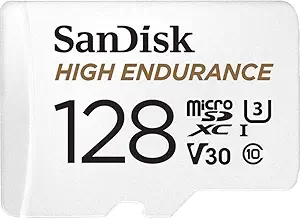
Evaluating the CT100 microSDXC: Balancing Speed Ratings Against Real-World Reliability
The 128GB CT100 microSDXC card markets itself as a versatile, high-performance solution with U3, V30, and A2 app performance ratings. Buyers should understand that these technical specifications promise 4K video recording and faster app loading, but real-world performance can vary significantly from advertised 'up to 100MB/s' speeds. This specific card's mixed user feedback highlights the gap between theoretical benchmarks and practical device compatibility.
Key Considerations Before Buying
- The A2 (App Performance Class 2) rating is crucial for smartphone and tablet users, as it promises faster random read/write speeds for applications, but requires a compatible host device to realize the benefit.
- While the V30 (Video Speed Class 30) rating guarantees sustained minimum write speeds of 30MB/s for 4K video, consistent performance depends on the card's controller and NAND flash quality, which varies by batch.
- The included SD adapter adds convenience for transferring files to computers, but using it frequently can introduce connection issues and is not recommended for primary use in standard SD card slots.
What Our Analysts Recommend
For a card with these specifications, scrutinize reviews mentioning sustained write speeds during 4K recording on action cameras or drones, not just peak transfer tests. Genuine quality indicators include detailed reports of long-term use in demanding devices like Nintendo Switches or Raspberry Pi systems, where the A2 rating is actively leveraged.
Micro SD Cards Market Context
Market Overview
The 128GB microSDXC segment is fiercely competitive, with numerous brands offering similar UHS-I U3/V30/A2 specifications at aggressive price points. This has led to variability in the quality of NAND flash and controllers used, even among cards sharing identical speed class logos.
Common Issues
Common problems include failure to achieve advertised sequential speeds, overheating during prolonged writes in dash cams or drones, and incompatibility with specific devices like certain Android phones or gaming consoles that are sensitive to card controller firmware.
Quality Indicators
Look for consistent user reports of the card working flawlessly in UHD-capable devices over several months. Trustworthy reviews often mention specific tool-tested speeds (e.g., 'crystal disk mark shows 85/40 MB/s') and detail the card's performance when nearly full, as some controllers slow down significantly at high capacity.
Review Authenticity Insights
Grade C Interpretation
A 'C' Authenticity Grade and 28% estimated fake review rate for the CT100 indicates a concerning level of potentially inauthentic praise, likely aimed at boosting its 3.6-star rating. The adjusted 3.10-star rating from more trustworthy reviews is a more accurate reflection of user experience.
Trust Recommendation
Prioritize the 3- and 4-star reviews for balanced perspectives, and be highly skeptical of 5-star reviews lacking device-specific details or those using overly marketing-heavy language. The significant fake percentage suggests the product may not consistently deliver on its promised performance for all users.
Tips for Reading Reviews
Focus on reviews that specify the exact device model used (e.g., 'GoPro Hero 11', 'Steam Deck', 'Samsung Galaxy S23') and describe a multi-week usage period. Be wary of reviews that only mention unboxing or short-term speed tests, as card failures often occur after the initial setup phase.
Expert Perspective
The CT100 presents a classic case of specification-sheet appeal versus real-world variance. Its full suite of modern speed classes (C10, U3, V30, A2) checks every box for a 2024 accessory, but the substantial gap between its advertised 3.6-star rating and the authenticity-adjusted 3.1-star rating is a major red flag. This discrepancy, coupled with a high estimated fake review rate, suggests the card's performance and reliability are inconsistent across production batches or device ecosystems. While it may function adequately for basic storage expansion, relying on it for critical 4K recording or application storage carries above-average risk compared to brands with more transparent review profiles.
Purchase Considerations
Weigh the card's lower price point against the potential cost of data loss or corrupted footage. If your primary use is for a drone, dash cam, or 4K camera, the reliability concerns highlighted by the authenticity analysis are significant. For less critical, bulk storage in a tablet or phone, it might suffice, but with caution.
Comparing Alternatives
Shoppers should compare the CT100's authenticity-adjusted rating and review patterns directly against established brands like SanDisk, Samsung, or Lexar in the same 128GB U3/V30/A2 category.