
Choosing Therapeutic Tuning Forks: Weighted vs. Unweighted and Frequency Selection
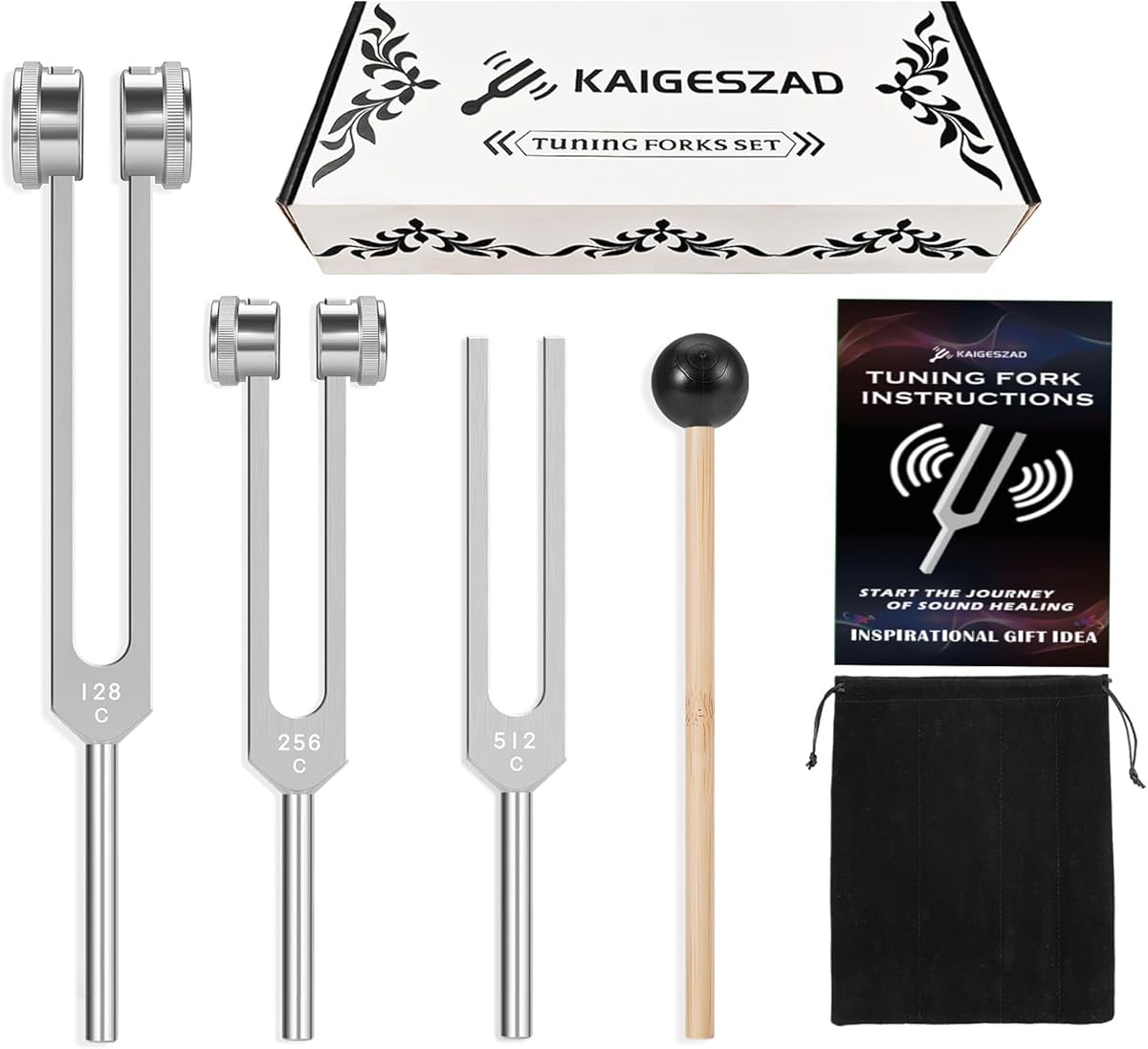
When selecting a tuning fork set for sound therapy or meditation, the specific frequencies and construction matter significantly. This particular set offers three distinct frequencies (128Hz, 256Hz, 512Hz) in both weighted and unweighted formats, which creates different vibrational characteristics for varied therapeutic applications.
Key Considerations Before Buying
- Frequency application matters: 128Hz is often used for grounding and root chakra work, 256Hz aligns with heart chakra and emotional balance, while 512Hz is associated with higher chakras and mental clarity.
- Weighted versus unweighted forks produce different sensations: weighted forks create stronger, longer-lasting vibrations felt through bone conduction, while unweighted forks produce purer tones for auric field work.
- Medical-grade aluminum construction indicates better material purity and consistent vibration quality compared to standard alloys, which affects both durability and therapeutic effectiveness.
What Our Analysts Recommend
Examine the fork tines for consistent thickness and smooth finishing, as imperfections can create harmonic distortion. Quality sets include proper frequency certification and protective storage to prevent accidental de-tuning. The rubber activator included should have appropriate density to produce clean strikes without dampening the initial vibration.
Tuning Market Context
Market Overview
The therapeutic tuning fork market has expanded beyond musical applications into wellness spaces, with 'medical-grade' becoming a marketing term that varies in meaning between manufacturers. Sets typically range from single frequencies to comprehensive chakra collections, with aluminum remaining the preferred material for its vibration properties.
Common Issues
Lower-quality sets suffer from inconsistent frequencies, poor finishing that creates buzzing overtones, and inadequate storage leading to accidental damage. Some manufacturers misrepresent frequency accuracy, with deviations of ±2Hz significantly affecting therapeutic applications.
Quality Indicators
Look for manufacturers who provide frequency certification, use single-piece construction (no welded joints), and include proper storage cases. Higher-quality sets maintain precise frequencies even after repeated use, while cheaper alternatives can de-tune over time with regular striking.
Review Authenticity Insights
Grade B Interpretation
A Grade B authenticity rating with 10% estimated fake reviews suggests generally reliable feedback with minor manipulation concerns. For this niche product category, this indicates most reviewers are genuine users, though some may be incentivized.
Trust Recommendation
Focus on reviews that discuss specific therapeutic applications, frequency accuracy verification, or material quality observations rather than generic praise. The verified purchase status of all reviews increases credibility, but still examine detailed experiences with the weighted versus unweighted fork performance.
Tips for Reading Reviews
Prioritize reviews that mention using a frequency analyzer app to verify the 128Hz, 256Hz, and 512Hz accuracy, or that compare vibration duration between the weighted and unweighted options. Be skeptical of reviews that only discuss gifting aspects without addressing therapeutic use.
Expert Perspective
With an adjusted 4.60/5 rating from verified purchases and strong authenticity indicators, this set appears to deliver on its medical-grade claims for therapeutic applications. The inclusion of both weighted and unweighted options at three distinct frequencies provides versatility for practitioners working with different modalities. The high rating suggests users find value in having both fork types rather than needing to purchase separate sets.
Purchase Considerations
Consider whether you need both weighted and unweighted formats or if your practice focuses primarily on one modality. The 128Hz frequency is particularly valuable for somatic work but less common in basic sets. Evaluate if the storage case adequately protects all six forks during transport.
Comparing Alternatives
Compare this set's frequency combination and construction against specialized single-frequency forks or comprehensive seven-chakra sets depending on your therapeutic focus.


