
Choosing a Safe Electric Cardboard Cutter for Young STEAM Crafters
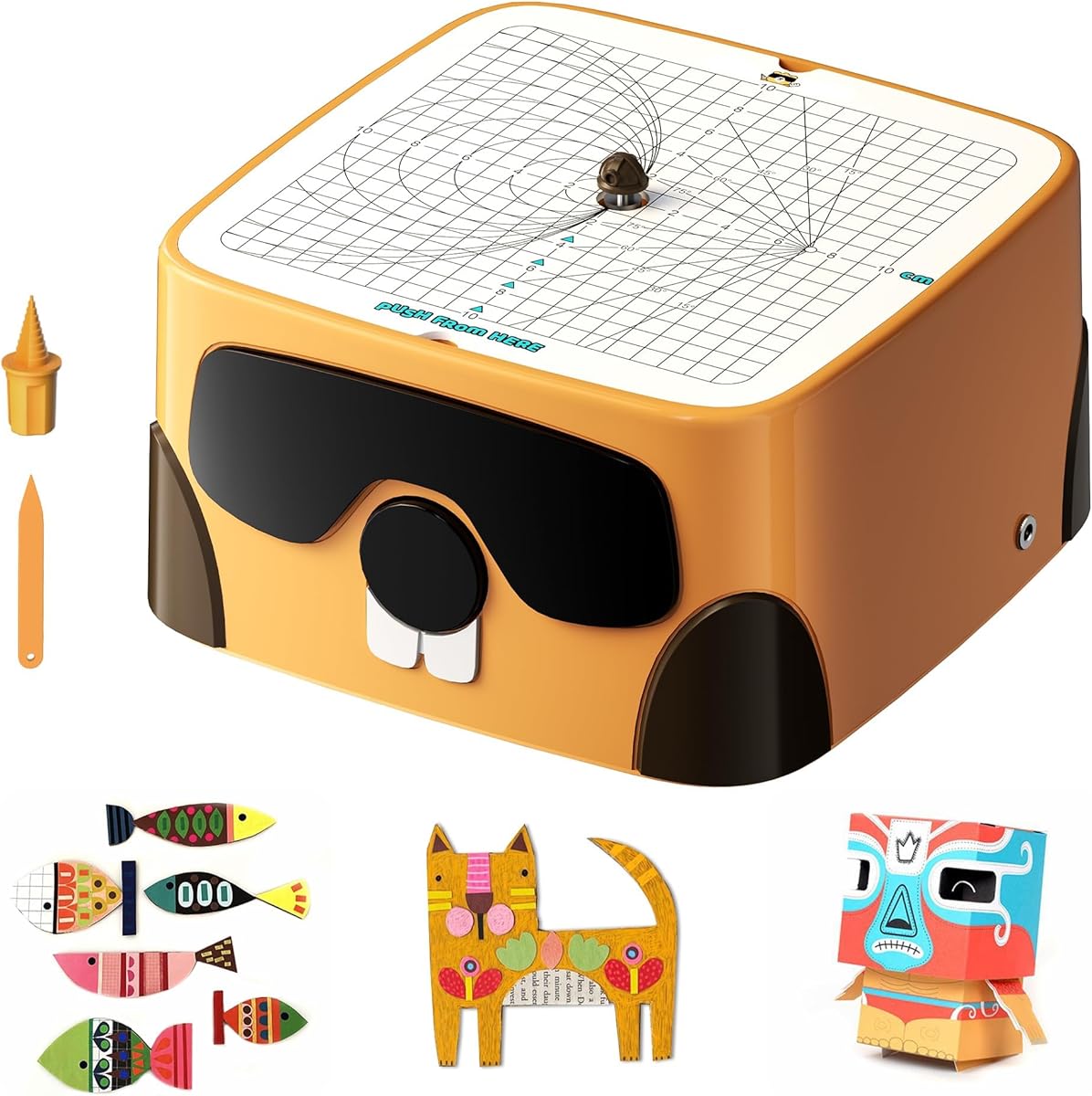
The ACMER Kartonschneider is a specialized electric tool designed for children as young as three to cut cardboard for DIY projects. Unlike standard craft knives, this product is engineered as a complete STEAM-building kit, combining motorized cutting with construction elements. Buyers should understand this tool bridges the gap between manual safety scissors and adult power tools.
Key Considerations Before Buying
- Safety mechanisms are paramount for a motorized tool rated for ages 3+; look for features like guarded blades, low-voltage operation, and a design that prevents finger access to the cutting path.
- The 'DIY-Bauset' aspect means the tool's value is in its ability to integrate with building projects; assess the included connectors, templates, or guides that facilitate creative construction beyond simple cutting.
- Durability for cardboard-specific cutting requires a motor with enough torque to avoid jamming on corrugated material, yet with safety features to prevent overheating or strain during extended use by a child.
What Our Analysts Recommend
Quality in this niche is indicated by a stable, low-RPM motor that provides consistent cutting power without dangerous kickback. The blade housing should be fully enclosed with only a narrow slot for the cardboard to pass through. Genuine STEAM educational value is shown through project guides that teach basic principles of mechanics or structure, not just cutting shapes.
Paper Craft Tools Market Context
Market Overview
The market for child-specific electric paper craft tools is a growing niche within STEAM toys, moving beyond blunt scissors toward motorized, yet safe, prototyping tools. Products like the ACMER Kartonschneider compete with manual punch tools and adult-grade cutters adapted for 'supervised use,' rather than direct child operation.
Common Issues
Common problems include motors that stall on double-wall cardboard, safety features that are easily bypassed by curious children, and plastic components that crack under the torque of a jammed blade. Many products claim STEAM value but offer only basic cutting with no educational framework.
Quality Indicators
Identify quality by examining the blade mechanism: it should be a rotary or oscillating blade that cuts on the pull stroke, keeping little hands away from the cutting direction. High-quality kits include replaceable blades and emphasize the engineering of the cutter itself as a learning project, not just its output.
Review Authenticity Insights
Grade B Interpretation
A Grade B authenticity score with an estimated 15% fake review rate suggests the majority of feedback is reliable, but a notable portion requires scrutiny. For a product with a perfect 5.0 rating, this indicates some inflation, though the adjusted 4.6 rating from authentic reviews remains strong.
Trust Recommendation
Focus on the 85% of reviews deemed authentic, particularly those detailing specific project outcomes or noting the tool's limitations with thicker materials. The 100% verified purchase status significantly boosts credibility, so prioritize reviews that mention the product's performance over multiple uses.
Tips for Reading Reviews
For this product, seek reviews that describe the child's actual interaction with the safety features and the complexity of projects completed. Be wary of overly generic praise about 'fun' or 'great gift' without detailing the construction process or material compatibility.
Expert Perspective
The ACMER Kartonschneider represents a thoughtful entry into a specialized category: electrically-assisted crafting for preschoolers. The high authentic rating (4.6) from verified German buyers suggests it successfully addresses a real need for safe, empowering tools in early STEAM education. Its design as a 'Bauset' implies an emphasis on process over mere cutting, which aligns with pedagogical best practices. The data indicates it is likely a well-executed product within its specific niche, not a generic toy.
Purchase Considerations
Weigh the necessity of an electric cutter versus manual tools for a 3-year-old; this product is for parents committed to guided, project-based crafting. Consider the ongoing cost and availability of replacement blades or parts, as cardboard cutting is abrasive on cutting edges. The product's value is maximized when used as intended—for structured creative building projects, not random cutting.
Comparing Alternatives
Shoppers should compare this with manual cardboard punches, child-safe rotary cutters, and other STEAM construction kits to determine if motorized assistance is the right developmental step.


