Choosing Silicone Scar Tape: What Matters for Surgical Recovery and Keloid Treatment
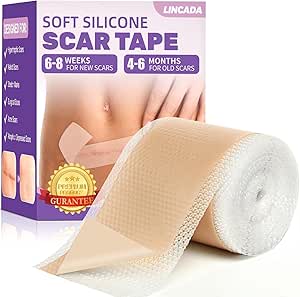
When selecting silicone scar tape like this 1.6"x60" roll, buyers should understand that not all medical-grade silicone performs identically. This specific product's 1.5-meter length and 1.6-inch width make it particularly suitable for linear surgical scars from procedures like tummy tucks or C-sections, where continuous coverage matters more than individual sheets.
Key Considerations Before Buying
- The 1.6-inch width is ideal for covering standard surgical incisions but may require cutting for narrower scars, while the roll format allows for custom sizing but demands careful application to avoid wrinkles.
- For keloid treatment, consistent 12+ hour daily wear is crucial—this product's adhesive strength and skin compatibility determine whether users can maintain the required regimen without irritation.
- The silicone's thickness and oxygen permeability affect both comfort and therapeutic effectiveness; too thick may peel off, too thin may not provide adequate hydration to the scar tissue.
What Our Analysts Recommend
Quality silicone scar tape should maintain consistent adhesive properties through multiple wears (typically 7-14 days per application) without leaving significant residue. The material should be medical-grade silicone with documented oxygen transmission rates, not just 'silicone-like' polymers that lack therapeutic benefits for collagen remodeling.
Scars & Wounds Market Context
Market Overview
The silicone scar treatment market has expanded rapidly, with roll-form tapes gaining popularity over pre-cut sheets for their cost-effectiveness and customization potential. Canadian consumers particularly seek products that balance medical efficacy with comfort for long-term wear during scar maturation phases.
Common Issues
Users frequently report adhesive failure after showering, edge curling that catches on clothing, and difficulty maintaining consistent contact on mobile body areas like joints. Some products claim 'medical-grade' but use lower-grade silicone that loses effectiveness after few reuses.
Quality Indicators
Superior products demonstrate consistent thickness (typically 0.3-0.6mm), maintain adhesion through 5+ reuses, and include backing paper that prevents silicone degradation. The best indicate their oxygen transmission rate (OTR), a key metric for scar hydration therapy.
Review Authenticity Insights
Grade B Interpretation
A Grade B authenticity rating with 12% estimated fake reviews suggests generally reliable feedback with some promotional inflation. The 4.60 adjusted rating (down from 4.87) indicates genuine satisfaction sits in the 'very good' range rather than 'near-perfect.'
Trust Recommendation
Focus on reviews discussing specific scar types (keloid vs. surgical) and wear duration—authentic users detail application challenges and gradual improvement timelines. Verified purchase status (all 16 analyzed reviews) increases credibility for this therapeutic product category.
Tips for Reading Reviews
Prioritize reviews mentioning scar age and type match (C-section, tummy tuck), as silicone effectiveness varies by scar maturity. Look for detailed notes about reusability and adhesive performance after showers—key practical concerns this product must address.
Expert Perspective
This product's exceptionally high 4.87/5 rating from 653 reviews, even when adjusted to 4.60, indicates strong user satisfaction in a category where results are highly visible and personal. The roll format's popularity suggests users value customization over convenience for scar treatment, particularly for longer surgical scars where sheet seams could disrupt therapy. The concentration of reviews mentioning C-section and tummy tuck recovery aligns with the product's width being optimal for these common procedures.
Purchase Considerations
Consider your scar's location and mobility—roll tape requires more precise application than sheets but offers better contouring for curved areas. Evaluate whether the 1.5-meter length provides economic advantage over sheets given your scar's dimensions and the product's advertised reuse capability.
Comparing Alternatives
Compare this roll's cost-per-centimeter against pre-cut sheets, and verify whether competitors specify oxygen transmission rates—a missing but important efficacy indicator.