
Choosing a Basic Pedometer: When Simplicity Trumps Smart Features
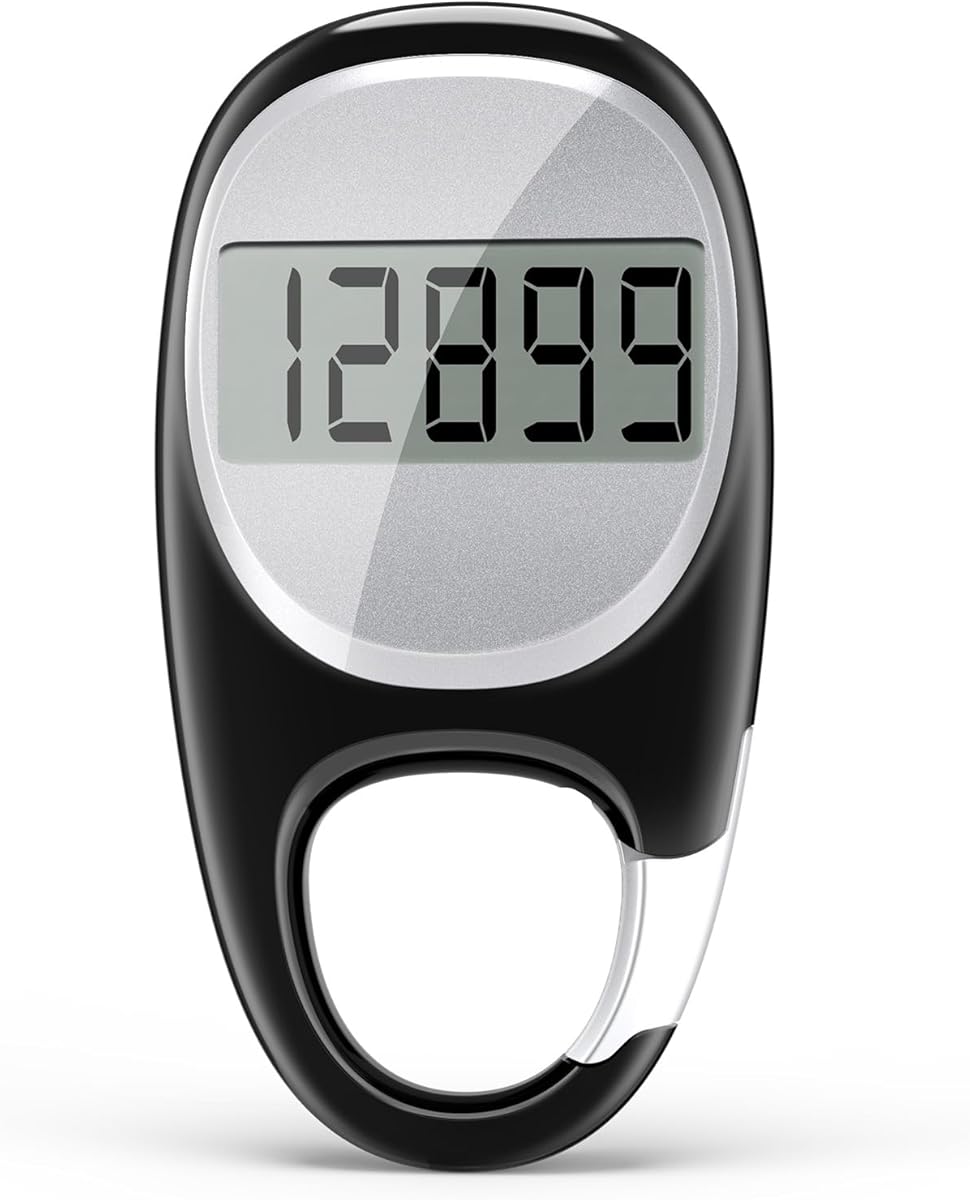
This Simple Pedometer represents a specific niche: a dedicated, single-purpose step counter designed for those who want activity tracking without smartphone pairing or complex data. Its defining characteristics are the 3D sensor for pocket or bag use and the carabiner clip for attachment, positioning it as a straightforward alternative to fitness bands. Buyers should understand this is a basic tool focused purely on step counting accuracy.
Key Considerations Before Buying
- The 3D sensor technology is key for this model; it allows the pedometer to count steps accurately when placed in a pocket, bag, or clipped to a waistband, unlike older pendulum models that required vertical positioning.
- The included carabiner clip is a core feature for this product, offering versatile attachment to belts, backpacks, or lanyards, but its durability and secure closure mechanism are critical for preventing loss during activity.
- Battery life and replacement are significant for a simple device; this unit uses a standard watch battery (CR2032), which means no charging but requires periodic replacement—check if the battery compartment is easily accessible.
What Our Analysts Recommend
For basic pedometers, quality is indicated by a consistent step count across different carrying positions (pocket vs. clip) and during varied motions like walking versus household chores. A secure, easy-to-read display that doesn't reset accidentally and a sturdy carabiner with a positive locking mechanism are tangible signs of good construction. Avoid units where the step count seems to increment with slight jostling rather than true gait.
Sports & Outdoors Market Context
Market Overview
The basic pedometer market is now a value segment, dominated by inexpensive models from various brands competing on claimed accuracy and durability. These devices appeal to seniors, kids, or anyone seeking a low-friction way to track daily movement without the data overload or connectivity issues of smart devices.
Common Issues
Common problems include inaccurate counting (over-counting or under-counting), fragile clips or casings that break, displays that are difficult to read in sunlight, and buttons that are too sensitive or hard to press. Many units also suffer from resetting their memory if the battery is briefly removed or if the device is jarred.
Quality Indicators
Look for devices that specify a 3D tri-axis sensor, as they are generally more accurate than older ball-and-spring mechanisms. A clear, non-glare screen and simple, recessed buttons to prevent accidental resets are good signs. Positive user reviews that specifically mention consistent performance over weeks of use, not just out-of-the-box impressions, are more reliable.
Review Authenticity Insights
Grade C Interpretation
A Grade C and a 25% estimated fake review rate indicate moderate manipulation of the review profile. This means approximately 1 in 4 reviews may be inauthentic, potentially inflating the average rating and masking common product flaws. The adjusted rating of 4.44 (down from 4.58) suggests the genuine customer satisfaction is still relatively high, but not as stellar as the raw average implies.
Trust Recommendation
Given the authenticity analysis, place more weight on detailed 3- and 4-star reviews that mention specific, verifiable use cases (e.g., 'used it for my morning walks for two weeks'). Be skeptical of overly vague 5-star reviews that lack detail or repeat marketing phrases like 'accurate step tracker' without context.
Tips for Reading Reviews
Focus on reviews that discuss long-term durability of the clip and battery life, not just initial setup. Look for patterns in critical reviews—if multiple verified purchasers mention the same flaw (e.g., the display fades), that is a stronger signal than isolated complaints.
Expert Perspective
This pedometer occupies a sensible niche for users who prioritize simplicity and dislike charging devices. The high adjusted rating (4.44) suggests it generally performs its core function well for most buyers. However, the Grade C authenticity score necessitates a more cautious evaluation; the positive sentiment is real but may be amplified. The product's value hinges entirely on the reliability of its 3D sensor and the sturdiness of its carabiner clip—components where cheaper models often fail.
Purchase Considerations
Weigh the convenience of a dedicated, clip-on device against the possibility of minor inaccuracies and the need for battery replacement. This is a good fit if you want a physical reminder to move that you can attach and forget, but a poor choice if you seek detailed activity analysis or synced data. Consider your tolerance for potential variance in step count (a common trait in this price segment).
Comparing Alternatives
Shoppers should compare this model with other basic pedometers in the same price range, paying close attention to reviews about clip durability and sensor consistency across different activities.


