Evaluating the Aquaguard Ritz Pro: Smart Features vs. Real-World Reliability
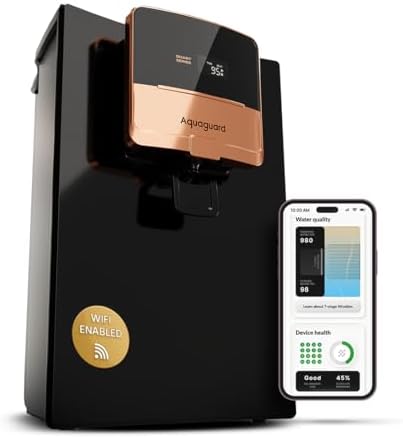
The Aquaguard Ritz Pro positions itself as a premium smart purifier with a 2-year filter life and stainless steel tank, but buyers should scrutinize its advanced claims against actual performance. This RO+UV+Copper system promises convenience through its TDS display and usage trackers, yet these features must be weighed against core purification reliability and long-term maintenance costs.
Key Considerations Before Buying
- The advertised 2-year filter life depends heavily on your source water's sediment load; the 'Mega Sediment filter' may help, but high-TDS or turbid water will shorten this lifespan significantly.
- A stainless steel storage tank resists bacterial growth better than plastic but adds weight and cost; verify its capacity (typically 7-8 liters) meets your household's peak consumption.
- Smart features like the filter life tracker and water intake monitor are only valuable if they are accurate and user-replaceable batteries don't fail, leaving you without status indicators.
What Our Analysts Recommend
Beyond marketing claims, assess the unit's actual purification stages: a genuine RO membrane, a properly rated UV lamp for secondary disinfection, and the copper infusion stage's design. Check for service network availability in your area, as complex smart purifiers require specialized technicians for the UV and copper system maintenance.
Water Filters & Purifiers Market Context
Market Overview
The Indian water purifier market is saturated with RO+UV combos, with brands now competing on 'value-add' features like mineral retention, copper infusion, and digital interfaces. The shift toward stainless steel tanks reflects consumer concerns about plastic leaching, though it increases the product's price point substantially.
Common Issues
Common pain points include inaccurate TDS meters that don't reflect true purification efficacy, smart indicators that fail, and high maintenance costs despite long filter life claims. Copper infusion systems can also tarnish or require specific cleaning to remain effective.
Quality Indicators
Look for certifications like ISI mark for the RO membrane and UV system, transparent information on copper grade used, and a clear warranty that covers both parts and labor for the smart electronics. A robust service contract is often more critical than the purifier's feature list.
Review Authenticity Insights
Grade C Interpretation
A 'Grade C' authenticity score and an estimated 28% fake review rate indicate significant manipulation of the rating landscape. This suggests the 3.71/5 Amazon rating is artificially inflated, and the true user sentiment is closer to the adjusted 3.20/5 rating.
Trust Recommendation
Prioritize detailed 3-star reviews and critical 1-star reviews that mention specific, verifiable issues like TDS display inaccuracy or filter housing leaks over the glowing 5-star testimonials. The polarization in ratings is a red flag; look for consistency in complaints across mid-range reviews.
Tips for Reading Reviews
Search for reviews mentioning long-term use (6+ months) to assess the durability of the smart features and the real filter life. Be skeptical of reviews that only praise generic 'good water taste' or 'nice look' without detailing performance metrics or service experiences.
Expert Perspective
The Aquaguard Ritz Pro presents a high-risk, high-reward proposition. Its smart features and stainless steel construction are legitimate differentiators in a crowded market, but the questionable review authenticity and polarized feedback signal potential reliability gaps. The core RO+UV+Copper technology is sound, but its implementation in this 'smart' chassis appears to introduce points of failure not present in simpler models. The significant gap between the displayed and adjusted ratings is a major concern that cannot be ignored.
Purchase Considerations
This purifier is best suited for tech-savvy households in areas with moderate water quality who value the digital tracking and are prepared for potentially higher servicing needs. Buyers in regions with very hard water or frequent power fluctuations should be cautious, as these conditions stress the electronic components and RO membrane.
Comparing Alternatives
Shoppers should compare the Ritz Pro's total cost of ownership, including likely filter replacements before the 2-year mark, against simpler Aquaguard models and competitors like Kent or Livpure that offer similar purification stages without the smart tracking.