Upgrading to Lithium: What Golf Cart Owners Need to Know About 48V Systems
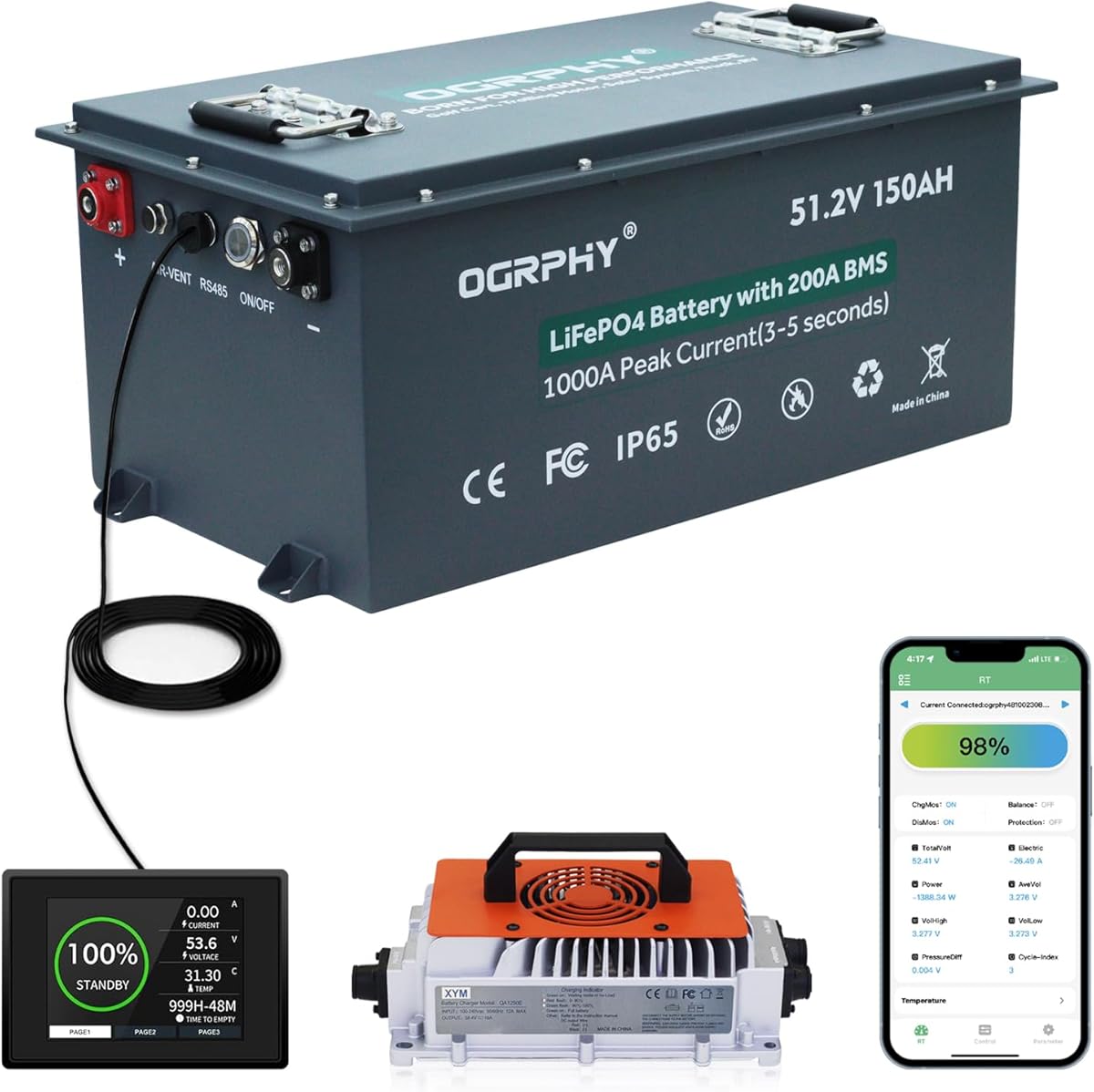
Replacing traditional lead-acid batteries with a 48V 150AH lithium system like this one fundamentally changes your golf cart's performance profile. This specific package includes a 200A BMS with touch monitoring and mobile app connectivity, which represents the current high-end of aftermarket golf cart power solutions. Buyers should understand that the claimed 70-mile range and 10.24kW output depend heavily on cart weight, terrain, and driving habits.
Key Considerations Before Buying
- The 1000A peak current rating determines whether this battery can handle steep hills or heavy loads without voltage sag, a critical factor for hilly courses or modified carts.
- The integrated 200A BMS (Battery Management System) with touch monitor and mobile app represents a significant upgrade over basic lithium batteries, allowing real-time monitoring of cell balance and health.
- Compatibility with your specific golf cart model's charging port and mounting configuration is essential—not all 48V lithium batteries fit standard EZ-GO, Club Car, or Yamaha battery trays without modification.
What Our Analysts Recommend
Quality lithium golf cart batteries feature UL-recognized cells, robust thermal management, and IP65 or higher waterproof ratings for outdoor use. The BMS should provide low-temperature charging protection to prevent damage below freezing, a common oversight in cheaper lithium conversions. Look for manufacturers that specify the exact cell chemistry (typically LiFePO4 for golf carts) and provide clear warranty terms covering capacity retention over time.
Golf Cart Accessories Market Context
Market Overview
The golf cart lithium battery market has shifted from niche conversions to mainstream upgrades, with 48V systems now dominating performance-oriented replacements. Products like this 150AH model with app connectivity represent the premium segment, competing against established brands like RoyPow and Eco Battery. The inclusion of Bluetooth monitoring and touch displays has become a key differentiator in 2024 models.
Common Issues
Improper installation causing communication errors with existing cart controllers remains frequent, particularly with CAN bus systems in newer carts. Some lithium batteries struggle with regenerative braking systems, causing BMS faults. Water intrusion at cable connections during rainy rounds can trigger safety shutdowns if not properly sealed.
Quality Indicators
Premium lithium golf cart batteries use automotive-grade LiFePO4 cells from known manufacturers like CATL or EVE, not generic 'Grade A' claims. Quality units include pre-charge circuits to prevent contactor welding during connection. Look for batteries that maintain voltage under load—the 48V nominal should stay above 46V even at 200A draw for true performance.
Review Authenticity Insights
Grade B Interpretation
A Grade B authenticity rating with 15% estimated fake reviews suggests generally trustworthy feedback with some promotional content. The 0.39-point drop from the displayed 4.89 to adjusted 4.50 rating indicates probable review inflation, though 472 reviews provides substantial data. This pattern is typical for newer lithium battery brands establishing market presence.
Trust Recommendation
Focus on reviews discussing specific installation experiences with your cart model (EZ-GO RXV, Club Car Precedent, etc.) and long-term performance over seasons. Verified purchase reviews mentioning the mobile app's functionality or BMS behavior under load carry more weight than generic praise. Be skeptical of reviews claiming 'double the range' without detailing cart configuration or terrain.
Tips for Reading Reviews
Prioritize reviews that mention actual range measurements over multiple rounds, not just manufacturer claims. Look for discussions about customer support experiences during installation issues—quality brands provide technical guidance. Reviews noting consistent performance in hot weather or after 50+ charge cycles offer more value than initial impressions.
Expert Perspective
This battery package represents a feature-complete lithium solution at the premium end of the market, with its 200A BMS and mobile app monitoring addressing common user pain points. The 4.50 adjusted rating from verified purchasers suggests strong real-world satisfaction, though the authenticity analysis indicates some review manipulation. The 150AH capacity is substantial for most golf applications, but the 70-mile range claim assumes ideal conditions—expect 40-55 miles with standard cart loads and moderate hills.
Purchase Considerations
Evaluate whether the touch monitor and mobile app justify the premium over basic lithium batteries if you're a casual user. Consider your cart's current draw requirements—carts with aftermarket motors or heavy accessories need the 1000A peak current, while stock carts may not. Factor in whether your charger infrastructure supports lithium's different charging profile, though the included charger resolves this.
Comparing Alternatives
Compare this battery's warranty terms, cell brand disclosure, and BMS temperature ratings against competitors like Dakota Lithium or Allied Lithium before purchasing.