Choosing the Right Jar Opener: Grip Design, Material, and User-Specific Features
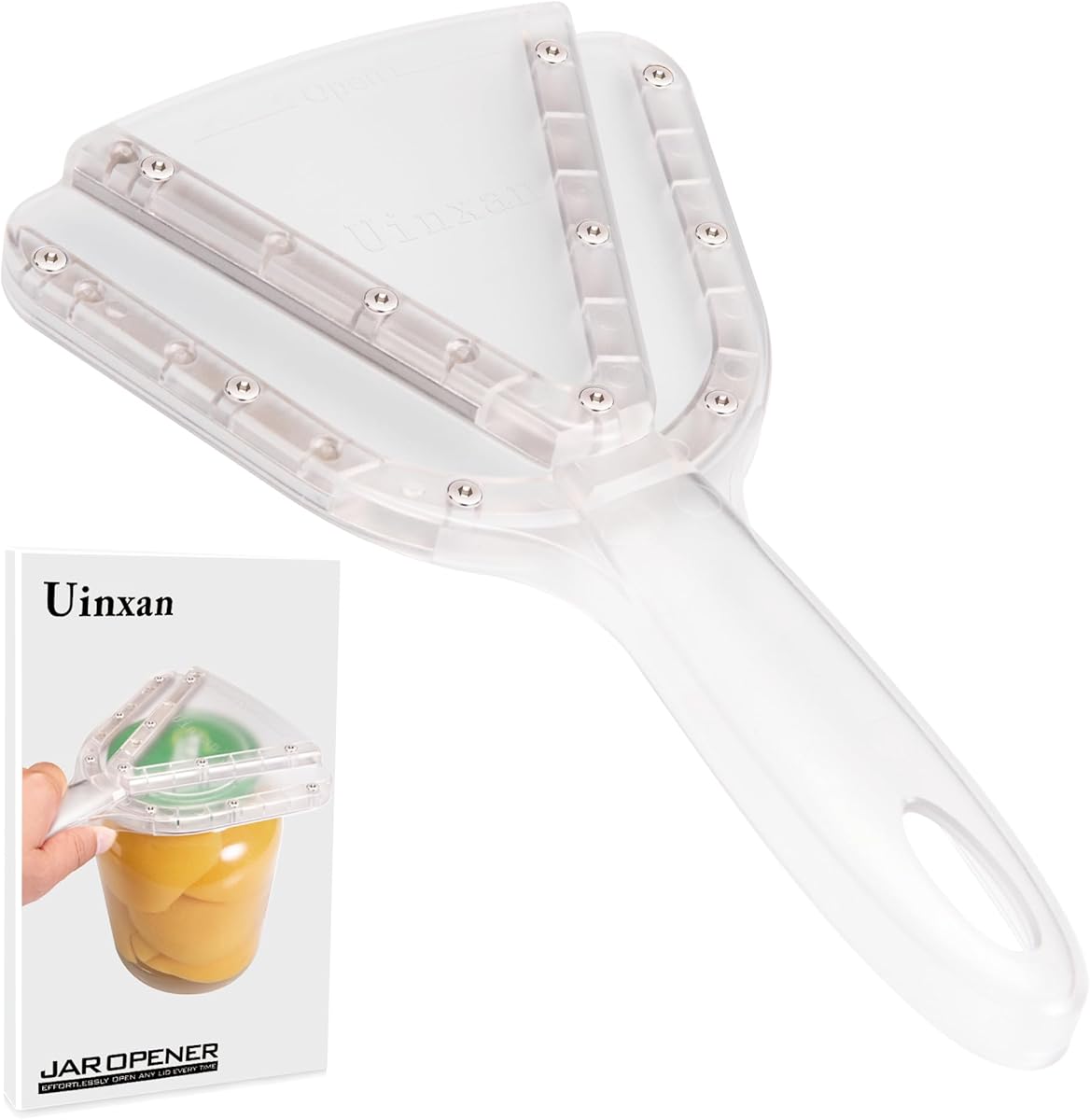
When evaluating this specific transparent jar opener with its patented mechanism, buyers should understand that not all assistive kitchen tools are created equal. This product's design specifically targets users with arthritis or limited hand strength, so its effectiveness depends on proper ergonomic alignment and material durability.
Key Considerations Before Buying
- The transparent design allows users to visually align the opener with jar lids, a crucial feature for those with dexterity challenges who need to see the mechanism in action.
- Consider the grip surface area and padding—this opener's wide contact points distribute pressure across the palm rather than concentrating force in weakened finger joints.
- Evaluate the mechanism's compatibility with various lid sizes; this patented design claims to handle both standard jar lids and smaller bottle caps without adjustment tools.
What Our Analysts Recommend
Quality indicators include reinforced stress points at the hinge mechanism and non-slip silicone padding that maintains grip when hands are damp. The transparent polycarbonate should show no clouding or stress marks that indicate brittle material prone to cracking under torque pressure.
Jar Openers Market Context
Market Overview
The adaptive kitchen tools market has expanded significantly, with jar openers now ranging from simple rubber pads to complex lever systems. This particular transparent model represents a mid-tier approach that prioritizes visual feedback and straightforward operation over mechanical complexity.
Common Issues
Many assistive openers fail at the stress points where plastic meets metal components, particularly with rust-prone springs or hinges. Others provide inadequate torque multiplication, requiring nearly as much hand strength as opening jars manually defeats their purpose.
Quality Indicators
Superior jar openers demonstrate consistent performance across lid diameters from 1.5 to 4 inches and maintain grip without slipping on wet or oily surfaces. Look for products that specify torque reduction percentages rather than vague claims about 'easy opening.'
Review Authenticity Insights
Grade B Interpretation
A Grade B authenticity rating with 15% estimated fake reviews indicates generally reliable feedback but suggests some review manipulation around gift-giving seasons. The 0.36-point drop from the displayed 4.56 to adjusted 4.20 rating reflects this inflation.
Trust Recommendation
Focus on reviews that describe specific usage scenarios with arthritis or hand weakness rather than generic 'great gift' comments. The authentic reviews frequently mention particular jar brands (like Classico or Mason) that users successfully opened.
Tips for Reading Reviews
Prioritize reviews that discuss long-term durability over months of use, as this reveals whether the plastic maintains integrity or develops stress fractures. Authentic users often mention failed attempts with other openers before finding success with this model.
Expert Perspective
This transparent jar opener presents a thoughtful design solution for its target demographic, though the authenticity analysis suggests some review inflation. The 4.20 adjusted rating from verified patterns indicates solid performance, particularly for users with arthritis who benefit from the visual alignment feature. The patent suggests genuine innovation in the mechanism, distinguishing it from generic lever-style openers.
Purchase Considerations
Weigh whether the transparent design and specific grip configuration address your particular hand strength challenges. Consider that while effective for standard commercial jars, extremely large or industrial containers may exceed its torque capacity. The Christmas gift positioning suggests seasonal availability fluctuations.
Comparing Alternatives
Compare this model's patented mechanism against traditional rubber strap openers and geared mechanical openers to determine which best matches your strength limitations and kitchen storage constraints.