
Evaluating Heavy-Duty Executive Chairs: What Big and Tall Users Need to Know
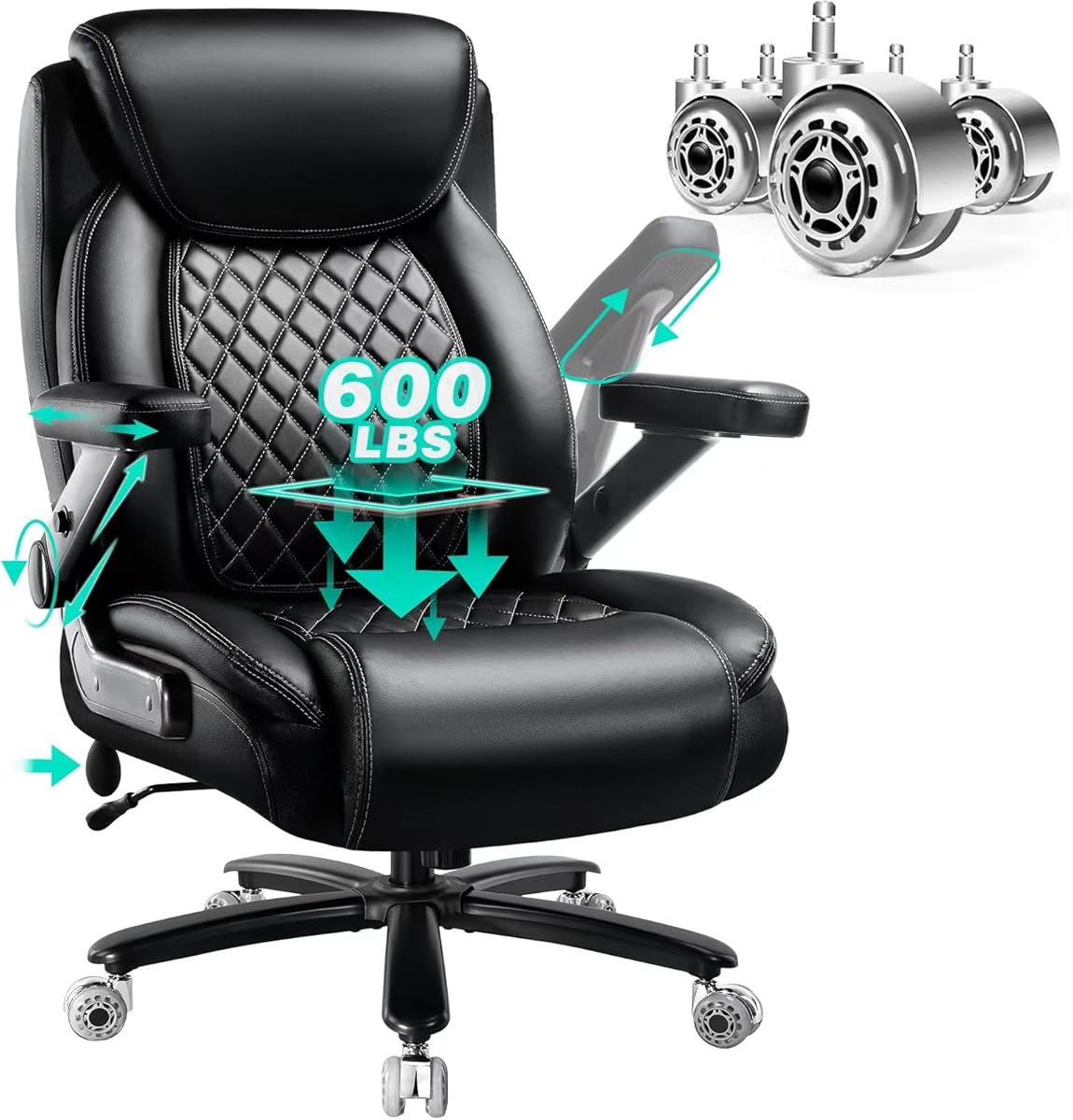
When considering this 600-pound capacity chair with pocket spring cushioning, buyers should understand that true heavy-duty seating involves more than just weight ratings. This specific model's 5D flip arms and dual rubber wheels indicate design choices that directly impact functionality for larger users who need durable, adaptable office furniture that won't compromise on comfort during extended work sessions.
Key Considerations Before Buying
- The 600-pound rating suggests reinforced construction, but verify the actual frame material and cylinder specifications—some chairs achieve high weight limits through thicker steel tubing rather than just thicker padding.
- Pocket spring cushions, borrowed from mattress technology, provide targeted support but require proper tensioning; poorly implemented springs can create pressure points rather than relieving them.
- 5D arm adjustments offer exceptional customization but introduce more potential failure points; examine the joint mechanisms for smooth operation without excessive play or wobble.
What Our Analysts Recommend
Quality indicators for executive chairs at this capacity include dual-wheel casters for weight distribution, reinforced seat pans that don't flex under load, and lumbar systems that adjust independently of the backrest. The dual rubber wheels on this model should leave no marks on flooring while supporting substantial weight without deformation.
Managerial & Executive Chairs Market Context
Market Overview
The big and tall executive chair segment has expanded significantly, with many models now offering 400-700 pound capacities, though true heavy-duty construction remains inconsistent across brands. Consumers face a confusing range of options where marketing claims often outpace actual engineering, particularly regarding long-term durability of mechanisms under constant heavy use.
Common Issues
Common problems include premature gas cylinder failure under maximum loads, armrest mechanisms that loosen over time, and cushion materials that compress permanently within months. Many chairs marketed as 'heavy duty' use standard office chair components with minimal reinforcement, leading to breakdowns well before the advertised weight limits.
Quality Indicators
Look for commercial-grade cylinder certifications (Class 4 or higher), steel reinforcement at stress points rather than just thicker padding, and warranty terms that specifically cover heavy usage. Genuine heavy-duty chairs typically feature industrial-strength tilt mechanisms and base designs that distribute weight across five points rather than concentrating stress.
Review Authenticity Insights
Grade B Interpretation
The Grade B authenticity rating with 15% estimated fake reviews suggests generally reliable feedback with some promotional content mixed in. For this specific chair category, where durability claims are critical, this means most reviews reflect genuine user experiences, though you should approach extreme durability claims with extra scrutiny.
Trust Recommendation
Focus on reviews discussing long-term use (3+ months) and specific weight scenarios rather than general comfort statements. Given the 0.35-point rating difference between raw and adjusted scores, pay particular attention to critical reviews addressing structural issues or component failures.
Tips for Reading Reviews
Prioritize reviews that mention actual user weights, specific adjustment usage patterns, and comparisons to previous chairs. For big and tall chairs, detailed feedback about seat width, backrest height, and arm positioning under load provides more actionable insights than generic comfort statements.
Expert Perspective
This chair's specifications suggest serious engineering for the big and tall market, particularly with the pocket spring cushioning—an uncommon feature in office chairs that could provide superior pressure distribution if properly implemented. The 3.80 adjusted rating indicates generally positive reception with some consistent concerns, which is typical for heavy-duty chairs where user expectations vary widely based on individual needs. The 5D arms represent a legitimate attempt at customization beyond typical height adjustments, though their long-term durability under heavy use remains the critical question.
Purchase Considerations
Weigh the chair's specific features against your daily usage patterns: if you frequently adjust arm positions or shift weight, the 5D mechanism may justify the investment, but if you maintain static positions, simpler heavy-duty options might offer better value. Consider whether the pocket spring technology addresses your specific comfort needs or if traditional high-density foam would suffice.
Comparing Alternatives
Shoppers should compare this chair's construction details—particularly the spring cushion system and arm mechanisms—against similarly priced heavy-duty alternatives to assess true innovation versus marketing differentiation.


