

Evaluating Xiaomi's 75-inch MiniLED TV: Balancing Premium Features with Smart Value
The Xiaomi TV S Mini 75 2025 represents a significant value proposition in the large-screen MiniLED segment, combining a 1200-nit peak brightness panel with Google TV integration. Buyers considering this model should understand how its specific MiniLED implementation with local dimming compares to both OLED and conventional LED-LCD alternatives in the 75-inch class, particularly for mixed viewing in typical German living environments.
Key Considerations Before Buying
- Assess if the 1200-nit brightness and MiniLED backlight with local dimming meet your needs for HDR content (like Netflix Dolby Vision) and overcoming ambient light, as this is its primary advantage over standard QLED.
- Evaluate your comfort with the Google TV ecosystem for accessing German streaming services (ARD, ZDF Mediathek, Netflix, Prime Video) versus proprietary smart platforms from Samsung or LG.
- Consider the physical space and viewing distance for a 75-inch panel (approx. 167cm x 96cm), ensuring your room layout accommodates immersive viewing without overwhelming the space.
What Our Analysts Recommend
For a TV in this class, scrutinize real-world contrast performance in dark scenes, as local dimming algorithms vary widely. Check for mentions of uniform backlighting and minimal 'blooming' or halos around bright objects on dark backgrounds in user reviews, as these are key indicators of a well-tuned MiniLED system.
TVs Market Context
Market Overview
The 75-inch TV market in Germany is fiercely competitive, with MiniLED technology becoming the premium LED-LCD choice, positioned between high-end OLED and entry-level QLED models. Brands like Xiaomi are aggressively targeting this segment by offering high-spec panels at competitive prices, challenging established players like Samsung and Hisense.
Common Issues
Common concerns with large, value-oriented MiniLED TVs include inconsistent panel uniformity, aggressive motion processing creating a 'soap opera effect', and smart OS interfaces that can feel cluttered or sluggish compared to more refined systems. Audio quality from built-in speakers is often insufficient for a screen this size.
Quality Indicators
Look for consistent praise regarding out-of-the-box color accuracy, smooth gradient handling (absence of color banding), and a responsive, ad-free smart interface. High-quality MiniLED sets will have detailed user comments about effective local dimming with minimal distracting artifacts during movie credits or starfield scenes.
Review Authenticity Insights
Grade B Interpretation
A Grade 'B' authenticity rating with an estimated 15% fake review rate suggests the overall sentiment is reliable but requires discerning reading. The adjusted rating of 4.10/5 (down from 4.44) is a more trustworthy indicator of genuine user satisfaction, still reflecting a well-received product.
Trust Recommendation
Prioritize reviews that discuss specific performance aspects like local dimming behavior with German broadcast content, Google TV integration with German apps, or real-world brightness in a sunlit room. Be slightly more skeptical of overly vague 5-star reviews that lack these technical or experiential details.
Tips for Reading Reviews
For this TV, seek out reviews that mention using the 1200-nit brightness for HDR gaming or movies, and pay close attention to any notes about the quality of the upscaling for lower-resolution DVB-T2 HD broadcasts, a critical function for everyday viewing in Germany.
Expert Perspective
The Xiaomi TV S Mini 75 2025's specifications—particularly the MiniLED backlight with local dimming and 1200-nit peak—position it as a compelling performance-to-price contender. The adjusted 4.10 rating from authenticated feedback indicates strong real-world satisfaction, likely centered on its high-impact HDR performance and large screen size for the cost. The choice of Google TV provides a familiar, widely-supported smart platform, which is a strategic advantage for users invested in the Android ecosystem.
Purchase Considerations
Weigh the superior brightness and contrast of this MiniLED panel against the perfect blacks of a similarly priced, possibly smaller OLED. Consider if you need the full 1200 nits, which is beneficial for bright rooms and specular highlights, or if a lower-brightness, cheaper QLED would suffice. Factor in potential needs for a separate soundbar, as audio is often the compromise on such value-focused large screens.
Comparing Alternatives
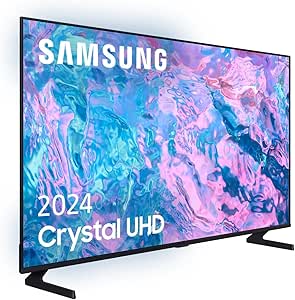
Shoppers should directly compare this model's performance and price against similar 75-inch MiniLED offerings from TCL (C-series) and Hisense (U-series), as well as 77-inch OLED options from LG, which may be available at a closer price point during sales.


![LG 50QNED82A6B TV 50 Zoll (127 cm) 4K QNED AI TV (α7 Gen8 4K AI Prozessor, webOS 25, 60Hz) [Modelljahr 2025]](https://m.media-amazon.com/images/I/7172Xvto73L._AC_SX300_SY300_QL70_ML2_.jpg)


