Choosing 120mm ARGB PWM Fans: What the ARCTIC P12 Pro 3-Pack Delivers
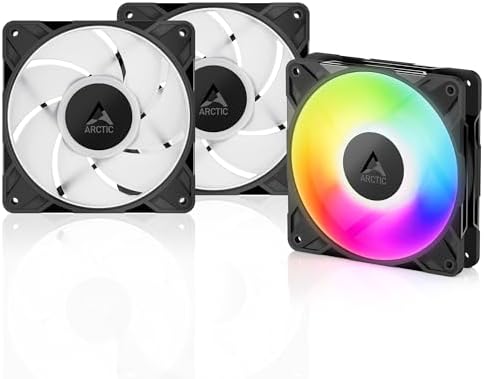
When selecting a multi-pack of 120mm ARGB fans like the ARCTIC P12 Pro, the key is balancing high static pressure for radiators or heatsinks with the aesthetics of addressable RGB lighting. This specific model offers a 600-3000 RPM PWM range with a fluid dynamic bearing, which directly impacts its noise profile and longevity compared to sleeve or rifle bearing alternatives.
Key Considerations Before Buying
- The 3000 RPM maximum speed is for high-demand cooling scenarios; ensure your motherboard or fan controller can handle the PWM signal and power draw for three fans, especially at peak load.
- The included Y-cable splitter simplifies RGB and PWM connectivity but limits individual fan control; consider this if you plan to run each fan at different speeds for optimized acoustics.
- Fluid dynamic bearings (FDB) excel in longevity and quiet operation at various RPMs, making this a strong choice for builds where fan noise is a primary concern over many years.
What Our Analysts Recommend
For premium 120mm fans, scrutinize the bearing type and PWM range specifications. A wide RPM range (like 600-3000) with a low minimum PWM duty cycle (<5%) indicates fine-grained speed control for quiet idle operation. Also, check that the ARGB is 5V digital (3-pin) to ensure compatibility with modern motherboard headers, not the older 12V analog standard.
Fans & Cooling Market Context
Market Overview
The 120mm ARGB PWM fan market is saturated with options ranging from budget to extreme performance. The ARCTIC P12 Pro 3-pack positions itself in the competitive 'performance-value' segment, challenging brands like be quiet! and Noctua's Chromax line by offering a high RPM ceiling and FDB at a multi-pack price point.
Common Issues
Common pitfalls include incompatible RGB headers (5V vs 12V), PWM controllers that can't deliver stable power at very low duty cycles (<10%), and fans with high static pressure that produce intrusive motor hum or bearing chatter at certain RPMs, which FDB aims to mitigate.
Quality Indicators
Look for detailed specifications on bearing type, PWM control range, and static pressure (CFM alone is misleading). A genuine premium fan will list both airflow and static pressure metrics, and reputable brands like ARCTIC typically provide full performance charts, not just peak numbers.
Review Authenticity Insights
Grade A Interpretation
An 'A' authenticity grade with an estimated 8% fake review rate for this ARCTIC fan pack is excellent. It indicates the vast majority of the 238 reviews, resulting in a 4.71/5 rating, are from verified purchasers providing credible feedback. The slight drop to a 4.50 adjusted rating is minimal, suggesting the high score is robust.
Trust Recommendation
You can place high confidence in the review consensus praising the fan's performance and value. Pay particular attention to reviews discussing long-term noise consistency of the FDB and the durability of the included splitter cables, as these are authentic, experience-based insights.
Tips for Reading Reviews
For technical components like these, prioritize reviews that mention specific use cases (e.g., 'on a 280mm radiator' or 'as case intake'), compare RPM/noise levels to other models, and note any installation nuances with the daisy-chained ARGB or PWM connections.
Expert Perspective
The ARCTIC P12 Pro 3-pack presents a compelling proposition based on the analysis. Its high authentic rating and 'A' grade suggest real-world satisfaction with its core promise: high-performance PWM control with reliable ARGB lighting in a value-oriented bundle. The 3000 RPM ceiling is notable, offering headroom for overclocked systems or dense radiators that most 'quiet-optimized' fans lack. The fluid dynamic bearing is a key differentiator from cheaper packs, directly addressing a common point of long-term failure and noise.
Purchase Considerations
This pack is ideal for builders needing strong static pressure for CPU coolers or AIOs, and who value a clean lighting setup via the included splitter. Consider if your chassis can benefit from 3000 RPM fans, as running them near max speed will generate noise; the value is in the flexibility. Ensure your motherboard has an available 5V ARGB header.
Comparing Alternatives
Shoppers should compare static pressure figures and bearing types with similar 3-packs from Cooler Master, Lian Li, or Phanteks to match their specific noise and performance thresholds.