Digital Torque Wrenches: Balancing Precision, Durability, and Smart Features
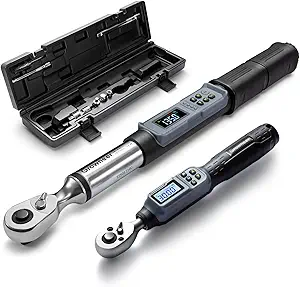
This specific digital torque wrench offers a 3.8-250.8 ft.lb range with ±1% accuracy, making it suitable for tasks from delicate bicycle components to automotive lug nuts. Buyers should understand that digital models like this one trade traditional click mechanisms for electronic alerts, requiring battery management but offering clearer feedback. The vibration, buzzer, and LED alert system is a key differentiator from mechanical wrenches.
Key Considerations Before Buying
- The 1/2-inch drive size dictates compatibility with standard automotive sockets but may be overkill for precision bicycle work without proper adapters.
- A ±1% accuracy claim is excellent for a tool in this price segment, but real-world consistency depends on proper calibration and battery voltage.
- The 3.8 ft.lb lower range is useful for aluminum components on motorcycles or carbon fiber parts on bicycles, but requires a very steady hand to avoid overshoot.
What Our Analysts Recommend
For digital torque wrenches, prioritize models with clear, multi-mode alerts (like this unit's vibration/LED/buzzer combo) to ensure feedback is noticeable in noisy garages. Check for an auto-shutoff feature to preserve battery life, as a dead wrench is useless. The quality of the ratcheting mechanism is critical; a gritty or loose feel compromises the precision the digital display promises.
Torque Wrenches Market Context
Market Overview
The digital torque wrench market is growing, offering users an alternative to the auditory 'click' of mechanical models, with features like preset memory and data output becoming more common. This particular model sits in the mid-range, offering a broad torque span that appeals to DIY enthusiasts who work on multiple vehicle types.
Common Issues
Common pitfalls include battery compartment failures, displays that are unreadable in direct sunlight, and alert systems that aren't loud or strong enough for workshop environments. Inconsistent readings after repeated use, often due to drivetrain wear or calibration drift, is a frequent complaint across brands.
Quality Indicators
Look for a robust housing with minimal flex, a high-contrast LCD screen, and a well-defined ratchet head with minimal backdrag. Quality units often include a calibration certificate or mention traceable standards. The feel of the direction selector switch is a good tactile indicator of internal build quality.
Review Authenticity Insights
Grade B Interpretation
A 'Grade B' authenticity score with a 10% estimated fake review rate suggests the vast majority of feedback is reliable, but shoppers should be slightly more critical than with an 'A' grade product. The adjusted rating of 4.20 (down from 4.44) indicates that the potentially inauthentic reviews were slightly more positive.
Trust Recommendation
Focus on the detailed, verified purchase reviews that mention specific use cases like 'torquing cylinder head bolts on a Honda Civic' or 'setting the preload on a mountain bike fork.' These contain the actionable insights. Be wary of overly vague, repetitive praise that doesn't mention the unique vibration/LED alert system.
Tips for Reading Reviews
For technical tools like this, prioritize reviews that discuss long-term durability over months of use, not just initial impressions. Pay close attention to comments about the consistency of the ±1% accuracy claim in real-world testing and any notes about the wrench holding its calibration.
Expert Perspective
This wrench presents a strong value proposition for the DIY mechanic seeking a single tool for a wide range of applications, from bicycle maintenance to automotive work. The high adjusted rating of 4.20/5 from verified reviews is significant for a precision tool, indicating general user satisfaction with its core function. The triple-alert system (vibration, buzzer, LED) is a thoughtful design for noisy environments where a pure audio cue might be missed. However, its versatility across a 3.8-250.8 ft.lb range means it's a jack-of-all-trades; professionals requiring peak accuracy at specific, frequent torque values might prefer a dedicated wrench for each range.
Purchase Considerations
Weigh the convenience of digital readouts and presets against the need for battery management and potential electronic failure points absent in purely mechanical wrenches. Consider if your most frequent tasks fall in the middle of its range (e.g., 50-150 ft.lb), where it's likely most accurate and comfortable to use, rather than at its extreme upper or lower limits.
Comparing Alternatives
Shoppers should compare this model's feature set and price against established brands like Tekton or GearWrench for digital options, and against quality click-type wrenches from Precision Instruments or CDI if they prefer a purely mechanical tool.