Choosing a 3.2 Cu.Ft Beverage Cooler: Capacity, Cooling Performance, and Placement
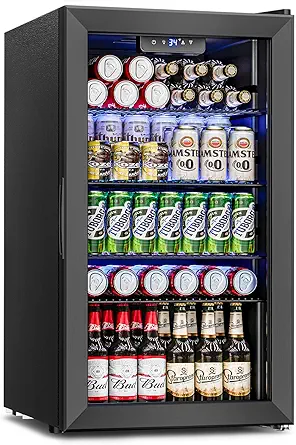
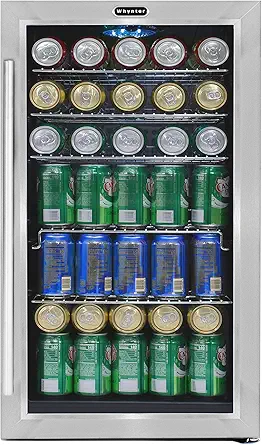
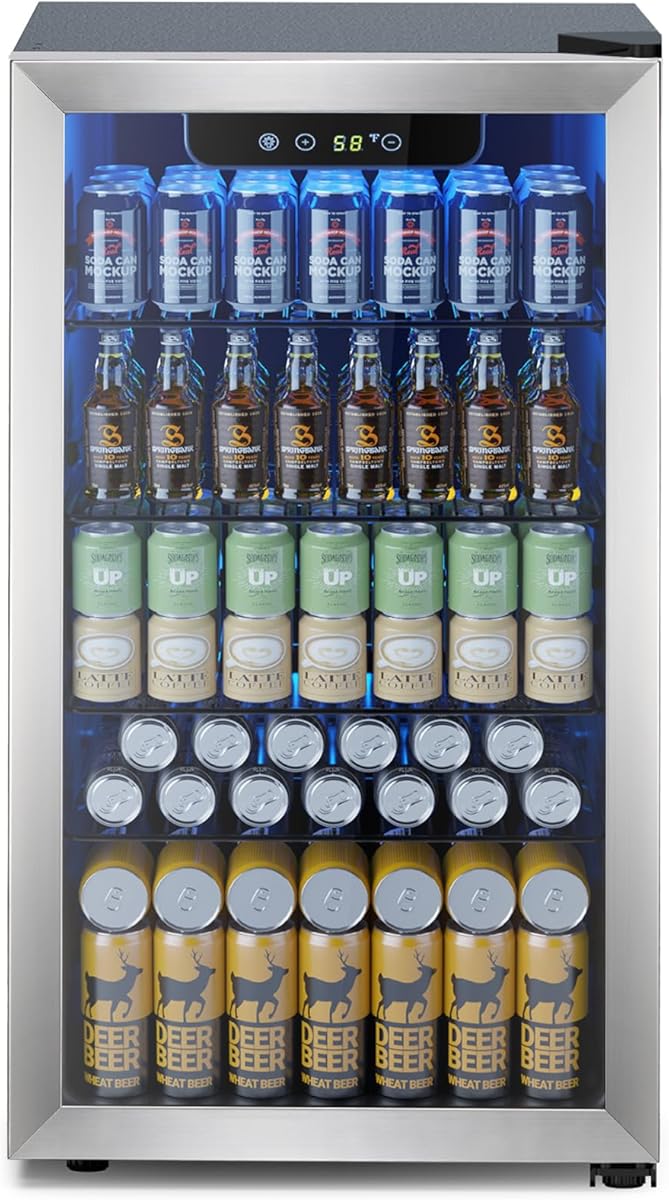
When evaluating this specific 130-can capacity beverage refrigerator, focus on how its 3.2 cubic foot interior translates to your actual storage needs. The digital temperature control is a key feature for maintaining optimal drink temperatures, but its effectiveness depends on the unit's insulation and compressor consistency. Consider whether your primary use is for soda cans, wine bottles, or a mix, as shelf configuration varies.
Key Considerations Before Buying
- Verify the actual '130-can' claim by checking interior dimensions against standard 12-oz cans; some units achieve this count only with perfect stacking, not practical shelving.
- Assess noise level for your intended environment (dorm, home bar, bedroom); compressor-based cooling in this size range often produces 40-50 dB, which may be noticeable in quiet spaces.
- Examine the door seal and insulation quality; inconsistent cooling or condensation issues in beverage refrigerators frequently stem from poor door gaskets rather than the compressor itself.
What Our Analysts Recommend
Quality indicators include consistent temperature maintenance across all shelves (not just near the cooling element) and sturdy, adjustable wire racks that accommodate both cans and standard wine bottles. Look for mentions of how quickly the unit recovers temperature after door openings, a critical factor for frequently accessed beverage coolers.
Beverage Refrigerators Market Context
Market Overview
The compact beverage cooler market is saturated with 3-4 cu.ft. models claiming 100+ can capacity, with digital controls becoming standard but implementation quality varying significantly. These units compete primarily on cooling consistency, noise level, and real-world storage flexibility rather than just stated capacity.
Common Issues
Frequent complaints in this category involve temperature fluctuations (especially in warmer rooms), louder-than-expected compressor operation, and shelving that doesn't match advertised bottle/can configurations. Many units struggle with maintaining set temperatures when loaded near capacity.
Quality Indicators
Superior beverage refrigerators demonstrate minimal temperature variance (±2°F) across shelves, have robust door hinges that maintain seal alignment over time, and feature logically spaced rack adjustments. Quality compressors should cycle quietly without noticeable vibration transmitted to the cabinet.
Review Authenticity Insights
Grade B Interpretation
A Grade B authenticity rating with 15% estimated fake reviews suggests generally reliable feedback but warrants careful scrutiny of extreme 5-star reviews. The 4.10 adjusted rating (down from 4.47) indicates some review inflation, particularly around durability claims and noise descriptions.
Trust Recommendation
Prioritize reviews discussing specific performance metrics like temperature consistency over months of use or detailed noise descriptions. Be skeptical of reviews that only praise packaging or delivery speed without addressing cooling performance or build quality.
Tips for Reading Reviews
Focus on verified purchase reviews that mention using the refrigerator for specific beverages (soda, craft beer, wine) and note ambient room conditions. Look for medium-length reviews (3-4 paragraphs) that acknowledge both positives and minor drawbacks, as these typically offer the most balanced insights.
Expert Perspective
This beverage cooler's 4.10 adjusted rating from verified purchases indicates satisfactory performance for most users, though the authenticity analysis suggests some caution around durability claims. The 3.2 cu.ft. capacity is appropriate for dorm or home bar use, but consumers should verify the actual can/bottle layout matches their needs. Digital temperature control is a meaningful upgrade from analog dials, provided the sensor accurately reflects interior conditions.
Purchase Considerations
Weigh the convenience of dedicated beverage cooling against potential noise in living spaces, and consider whether your usage pattern justifies a specialized unit versus a compact general refrigerator. The 130-can capacity is theoretical maximum; practical storage for mixed beverages will be lower.
Comparing Alternatives
Compare this unit's dimensions, noise specifications (if available), and shelf adjustability against similar capacity models from brands like Koolatron or BLACK+DECKER before deciding.