
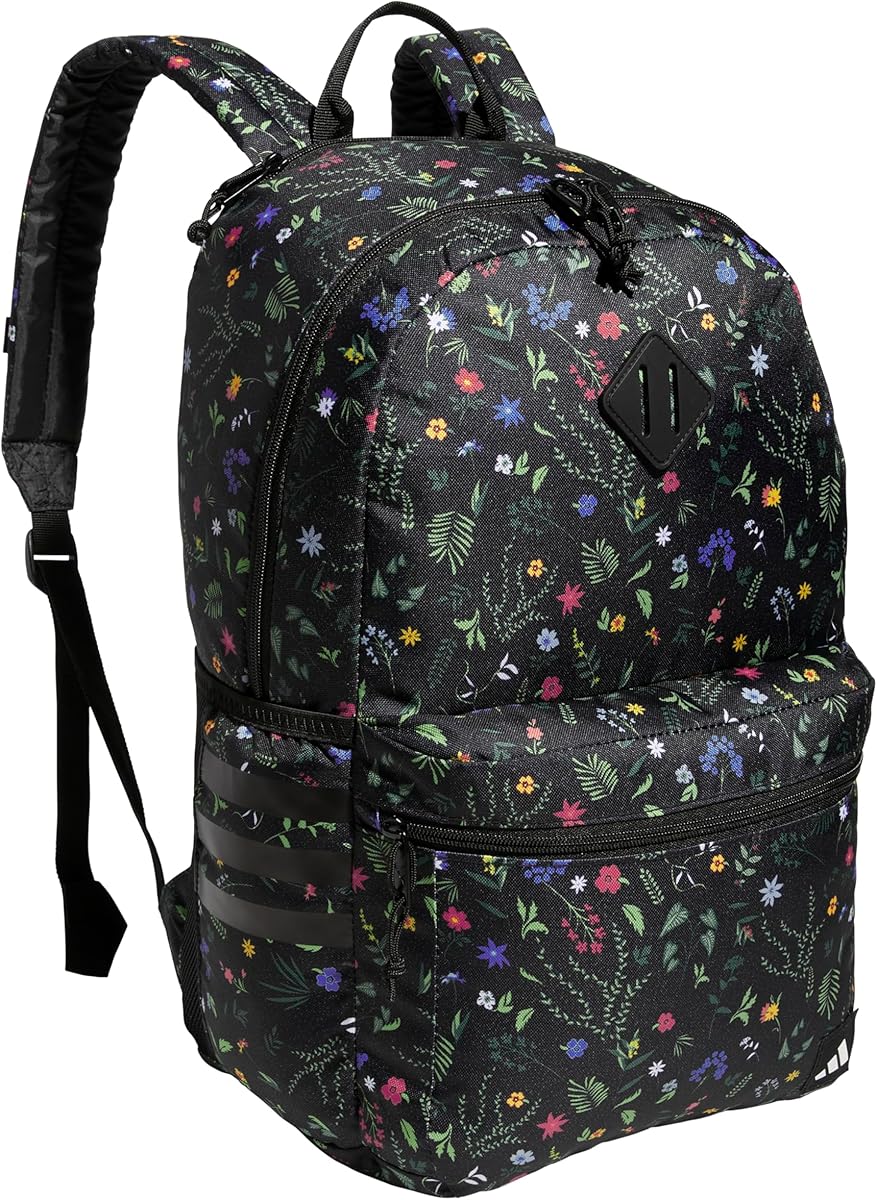
Choosing a laptop backpack: What makes the 3-Stripe Classic worth considering
When evaluating a laptop backpack like the 3-Stripe Classic, you're not just buying storage—you're investing in daily protection for expensive electronics and personal organization. This specific model's high rating suggests it delivers on core promises like the padded laptop sleeve and unisex design, but smart shoppers should look beyond star averages.
Key Considerations Before Buying
- Assess the laptop sleeve's actual padding and fit—some backpacks claim protection but offer minimal cushioning against impacts.
- Consider the strap design and back panel ventilation, especially if you'll carry it for extended periods or in warm climates.
- Evaluate organizational compartments beyond the main sleeve; efficient pocket layout saves time and prevents device scratches.
What Our Analysts Recommend
Examine reviews mentioning long-term durability of zippers and fabric, particularly at stress points like strap attachments. For the 3-Stripe Classic, pay attention to comments about water resistance and whether the material maintains its structure when not fully packed, as these are telling quality indicators.
Backpacks Market Context
Market Overview
The laptop backpack market is saturated with products claiming universal compatibility, but many compromise on either protection, comfort, or organization. The 3-Stripe Classic enters a competitive space where brands often prioritize aesthetics over functional design, making verified performance details crucial.
Common Issues
Common complaints in this category include inadequate padding that fails to protect against drops, poorly positioned straps causing shoulder strain, and organizational pockets that are too small for modern tech accessories. Many backpacks also suffer from material degradation after 6-12 months of daily use.
Quality Indicators
Quality laptop backpacks feature reinforced stitching at load-bearing points, YKK or equivalent branded zippers, and dedicated compartments that actually fit standard laptop sizes. The 3-Stripe's 4.89 rating suggests it likely addresses several of these elements effectively.
Review Authenticity Insights
Grade B Interpretation
A Grade B with 15% estimated fake reviews indicates generally reliable feedback, but suggests some review manipulation exists. For this backpack, it means most experiences are genuine, though you should be slightly skeptical of overly enthusiastic reviews lacking specific usage details.
Trust Recommendation
Focus on reviews that mention specific use cases like 'college commute' or 'work travel' rather than generic praise. Since all reviews are verified purchases, prioritize those with photos showing actual wear patterns or detailed descriptions of how the laptop sleeve accommodates particular devices.
Tips for Reading Reviews
Look for patterns across multiple reviews about the same features—if numerous people mention comfortable straps or durable zippers independently, those insights are more trustworthy. Be cautious of reviews that only praise aesthetics without discussing functional performance.
Expert Perspective
The 3-Stripe Classic's adjusted 4.50 rating (accounting for suspicious reviews) remains impressive for a laptop backpack, suggesting genuine satisfaction among most buyers. The high percentage of verified purchases adds credibility, though the Grade B indicates some artificial inflation. This product appears to successfully balance unisex design with practical laptop protection, based on review patterns mentioning both style and function.
Purchase Considerations
Weigh the backpack's organizational layout against your specific tech carry needs—some users require tablet sleeves or charger pockets that this model may or may not provide. Consider whether the classic styling aligns with your professional or educational environments, as some backpacks appear too casual for certain settings.
Comparing Alternatives
Shoppers should compare the 3-Stripe's dimensions and compartment layout with similar backpacks in the $30-$60 range to ensure optimal feature alignment.


