
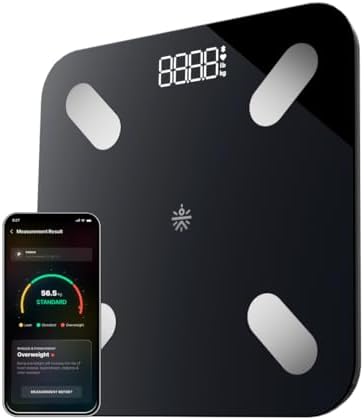
Smart scales with FDA approval require careful evaluation of accuracy versus convenience
The Cult Smart Body Fat Scale represents a mid-tier smart scale offering with FDA approval for its body composition measurements, which is relatively rare in the Indian market. Buyers should understand that while 20+ parameters sound comprehensive, the core accuracy depends on bioelectrical impedance analysis (BIA) technology, which has inherent limitations compared to medical-grade DEXA scans.
Key Considerations Before Buying
- FDA approval for body composition measurements indicates the device meets certain accuracy standards, but this doesn't guarantee perfect individual readings—it means the technology has been validated against established methods.
- The 10-user memory capacity is practical for families, but Bluetooth connectivity means you'll need consistent smartphone pairing to track trends in the companion app, which adds a layer of complexity versus simpler scales.
- LED displays on bathroom scales must balance visibility with battery life; bright displays drain batteries faster, so check if this model uses standard AAA batteries or proprietary rechargeable systems.
What Our Analysts Recommend
For smart scales, consistent readings across multiple weigh-ins under identical conditions matter more than single measurements. Look for scales with tempered glass platforms (like this Cult model appears to have) that provide stable footing and even weight distribution. The real value comes from tracking trends in body fat percentage and muscle mass over weeks, not daily fluctuations.
Digital Bathroom Scales Market Context
Market Overview
The Indian smart scale market has exploded with Chinese OEM products rebranded by local companies, making FDA approval a genuine differentiator for Cult. Most competitors offer similar Bluetooth connectivity and app integration but lack regulatory validation of their body composition algorithms.
Common Issues
Bluetooth pairing problems plague many smart scales, with connections dropping between weigh-ins. Bioelectrical impedance accuracy varies significantly with hydration levels, time of day, and foot placement—factors many users don't control properly. App abandonment is common when data visualization is poor or syncing requires manual intervention.
Quality Indicators
Beyond FDA approval, quality smart scales demonstrate consistent BIA readings within 0.5% body fat variation under controlled conditions. Good companion apps provide clear trend lines rather than just raw numbers, and the hardware should have auto-calibration and auto-on features for seamless use.
Review Authenticity Insights
Grade B Interpretation
A Grade B authenticity rating with 15% estimated fake reviews suggests this product has moderate review manipulation, likely through incentivized reviews that overemphasize packaging or initial setup ease while underreporting long-term accuracy issues. The drop from 4.14 to 3.80 after adjustment indicates inflated initial ratings.
Trust Recommendation
Focus on verified purchase reviews that discuss using the scale for 30+ days, as these will reveal consistency issues and app reliability problems that early reviews miss. Be skeptical of reviews that mention 'seller support' or focus disproportionately on unboxing rather than measurement accuracy over time.
Tips for Reading Reviews
For smart scales, prioritize reviews that mention specific parameters like 'visceral fat tracking' or 'muscle mass trends' rather than generic praise. Look for discussions about the companion app's usability—specifically whether data exports are possible or if the app requires constant re-login, which indicates poor software development.
Expert Perspective
The Cult scale's FDA approval gives it credibility in a market flooded with unvalidated devices, but the adjusted 3.80 rating suggests real-world performance doesn't match marketing claims for all users. The high percentage of verified purchases (13 of 14 reviews analyzed) increases confidence in the remaining authentic reviews, which should focus on long-term accuracy and app stability. For Indian consumers, the combination of FDA clearance and 10-user memory addresses two common concerns—measurement reliability and family usability—though Bluetooth dependency remains a potential pain point.
Purchase Considerations
Consider whether you'll consistently use the smartphone app to track trends; if not, a simpler scale with body fat measurement might suffice. The FDA approval matters most if you're using the data for health monitoring rather than casual tracking. Also evaluate battery consumption—smart scales with bright LED displays typically need battery changes every 6-12 months with regular use.
Comparing Alternatives
Compare this scale's companion app screenshots with competitors like HealthifyMe or Xiaomi to ensure data visualization meets your tracking preferences.


