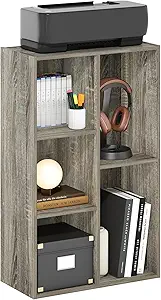
Choosing a Rotating Bookshelf: Space Optimization vs. Stability Considerations
The SpaceAid 5-Tier Rotating Tower represents a specific niche in bookcase design focused on maximizing corner space with 360-degree access. Unlike traditional static shelves, this carousel-style organizer requires evaluating both storage capacity and rotational mechanics. Buyers should understand this product's unique trade-offs between accessibility and structural stability.
Key Considerations Before Buying
- The 5-tier vertical design with a central spindle means weight distribution is critical—heavier items should be placed on lower tiers to prevent top-heavy instability during rotation.
- The black finish and assembly requirements (typically involving multiple panels and hardware) mean surface durability and clear assembly instructions significantly impact long-term satisfaction.
- As a corner unit with a 'lazy Susan' base, floor surface compatibility matters; uneven flooring can cause wobbling during rotation that static bookcases wouldn't experience.
What Our Analysts Recommend
Examine reviews mentioning the bearing mechanism's smoothness and noise level during rotation—quality units operate quietly without sticking. Check for comments about shelf thickness and material density; particle board shelves under 15mm thick may sag under book weight over time. Look for specific feedback about the base plate's stability when fully loaded.
Bookcases Market Context
Market Overview
Rotating bookcases have gained popularity in the home office category as space-saving solutions, particularly for small apartments and shared workspaces. The market includes both all-metal industrial designs and composite wood options like this SpaceAid model, with price points typically ranging from $80-$200 based on material quality and capacity.
Common Issues
Assembly complexity frequently appears in reviews, with consumers reporting confusion about hardware organization or missing parts. Rotational mechanisms sometimes develop grinding noises or resistance after months of use, and weight capacity claims often exceed practical limits for paper-heavy book collections.
Quality Indicators
Higher-quality rotating bookcases feature steel-reinforced central columns, ball-bearing rotation systems (not simple plastic bushings), and at least 12mm thick shelves. Look for manufacturers that specify weight limits per tier rather than just total capacity, as this indicates more realistic engineering.
Review Authenticity Insights
Grade B Interpretation
A Grade B authenticity rating with 10% estimated fake reviews suggests generally reliable feedback, though approximately 1 in 10 reviews may be artificially positive. The 4.30 adjusted rating (down from 4.56) indicates genuine satisfaction remains strong even after removing suspicious content.
Trust Recommendation
Focus on verified purchase reviews that describe specific use cases like textbook storage or craft organization rather than generic praise. Pay particular attention to 3- and 4-star reviews, as these often contain the most balanced assessments of assembly challenges and long-term durability concerns.
Tips for Reading Reviews
Search for reviews mentioning 'months later' or 'after assembly' to assess durability. Look for photos showing actual book loading (not just decorative items) to judge real-world capacity. Be skeptical of reviews that only praise packaging or delivery speed without addressing product functionality.
Expert Perspective
The SpaceAid tower's 4.30 authentic rating indicates it performs well within its niche as a space-optimizing rotating organizer. The design addresses genuine pain points for corner space utilization, though the rotational mechanism introduces variables traditional bookcases don't face. Review patterns suggest it satisfies users with moderate storage needs who value accessibility over maximum weight capacity. The product appears strongest for lighter collections, office supplies, or display items rather than dense reference libraries.
Purchase Considerations
This product makes most sense for spaces where traditional rectangular bookcases won't fit corners efficiently. Consider your typical item weight—if storing primarily hardcover books, evaluate whether you'll utilize the rotation feature enough to justify potential stability trade-offs. Measure your corner space carefully; some users report the rotating radius requires more clearance than anticipated.
Comparing Alternatives
Compare with stationary corner shelves if rotation isn't essential, and examine all-metal rotating options if you need heavier weight capacity.