
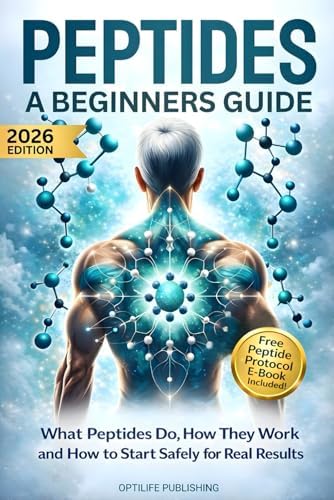
Evaluating peptide guides for sports injury recovery and anti-aging applications
When considering 'Peptides A Beginners Guide' from the Peptide Wellness Collection, buyers should recognize this German-published book bridges clinical sports medicine with wellness applications. This specific guide targets both athletic recovery protocols and anti-aging skin benefits, requiring evaluation of its scientific accuracy and practical applicability.
Key Considerations Before Buying
- Assess whether the content distinguishes between clinically-researched peptides for sports injuries and emerging wellness applications lacking robust evidence.
- Determine if the guide provides specific dosage protocols and administration methods relevant to both athletic recovery and dermatological use.
- Evaluate the author's approach to safety considerations, particularly regarding peptide sourcing, potential interactions, and contraindications for active individuals with injuries.
What Our Analysts Recommend
Quality peptide guides should cite recent clinical studies from sports medicine journals while clearly demarcating evidence-based applications from theoretical benefits. Look for structured protocols addressing specific recovery timelines for common injuries like tendonitis or muscle tears, not just general wellness advice.
Sports Injuries Market Context
Market Overview
The peptide education market has expanded rapidly from clinical texts to consumer-facing guides, creating variability in scientific rigor. German publications in this category often emphasize regulatory perspectives, which is significant given the EU's stricter stance on peptide therapeutics compared to other regions.
Common Issues
Many beginner guides overstate peptide efficacy for both muscle recovery and anti-aging without addressing the distinct mechanisms required for these different applications. Some texts blur lines between prescription-grade peptides for injury treatment and cosmetic peptides for skin health, creating confusion.
Quality Indicators
Superior guides reference specific peptide sequences (like BPC-157 for tendon repair or GHK-Cu for collagen synthesis) rather than discussing peptides generically. They should address the German/European regulatory landscape for peptide acquisition and use, which differs substantially from the US market.
Review Authenticity Insights
Grade B Interpretation
The Grade B authenticity rating with 15% estimated fake reviews suggests generally reliable feedback but warrants careful review scrutiny. The adjusted 4.10 rating (down from 4.44) indicates some review inflation, though the 250-review sample provides substantial data points.
Trust Recommendation
Prioritize reviews discussing specific chapter content about injury recovery protocols or skin application methods over vague praise. The verified purchase reviews (5 of 9 sampled) should carry more weight, particularly those mentioning the book's German medical context.
Tips for Reading Reviews
Look for reviews that mention practical applications like 'helped me understand peptide options for my rotator cuff rehab' rather than generic compliments. Critical 3-star reviews may provide the most balanced insights about content limitations.
Expert Perspective
This guide's positioning within the 'Sports Injuries' category while addressing anti-aging creates a unique hybrid approach that requires careful evaluation. The 4.10 adjusted rating from predominantly genuine reviews suggests satisfactory content quality, though the 15% fake review rate indicates some marketing manipulation. The German origin provides potential regulatory insights but may limit applicability for readers outside EU healthcare systems. The inclusion of both clinical and wellness applications could either represent comprehensive coverage or insufficient depth in either domain.
Purchase Considerations
Consider whether you need foundational peptide knowledge spanning both sports medicine and dermatology, or require specialized depth in one area. The beginner focus makes this appropriate for those new to peptide therapeutics, but advanced practitioners might find the dual focus too broad. The German regulatory context adds value for European readers but may be less relevant elsewhere.
Comparing Alternatives
Compare this hybrid guide against specialized texts focusing exclusively on either sports injury peptides or cosmetic peptide applications to determine which approach matches your needs.


