Choosing a Filtered Handheld Showerhead: What Mineral Beads and Pressure Claims Mean
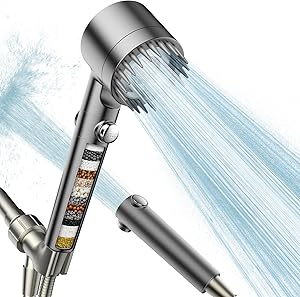
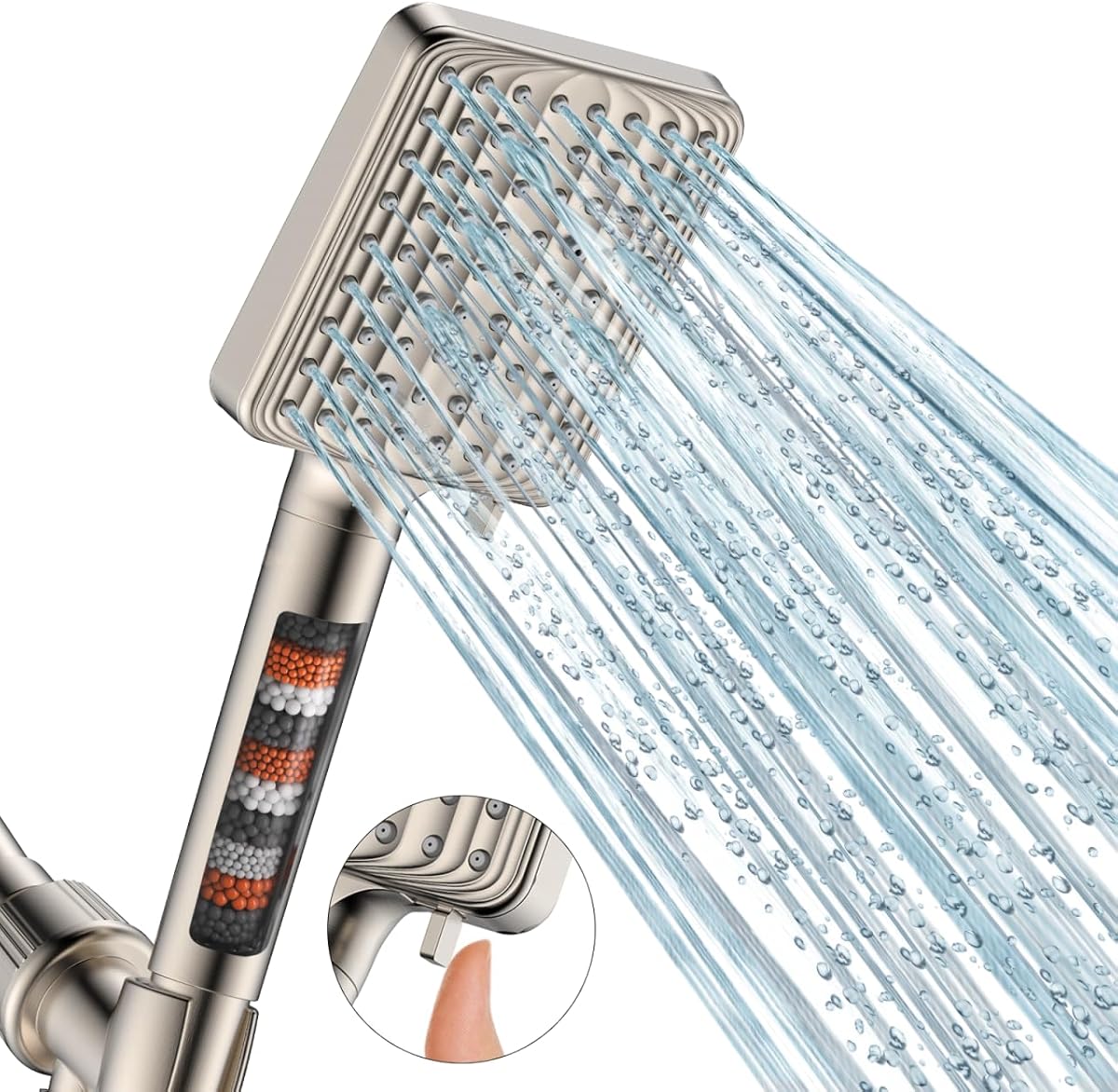
When evaluating filtered handheld showerheads like this 6-mode model with mineral beads, focus on how the filtration system integrates with the spray patterns. This specific product combines chlorine/chemical reduction with pressure-boosting technology, requiring assessment of both filtration effectiveness and shower experience.
Key Considerations Before Buying
- Mineral bead filtration systems vary in composition—this model uses unspecified mineral beads that may reduce chlorine but won't soften water like a true water softener.
- The 'high pressure' claim often comes from restricted flow nozzles; verify this doesn't conflict with your water pressure needs, especially in multi-story homes.
- Six spray modes suggest versatility, but check if the switching mechanism feels durable or becomes stiff over time with mineral buildup.
What Our Analysts Recommend
For filtered handheld units, examine filter replacement accessibility and cost—sealed systems become disposable. Quality indicators include solid brass connectors (not plastic) behind decorative finishes like brushed nickel, and stainless steel hoses with reinforced inner coils that resist kinking at the bracket connection.
Handheld Showerheads Market Context
Market Overview
The filtered handheld showerhead market has expanded beyond basic chlorine filters to include vitamin C, KDF, and mineral bead systems, with pressure-boosting claims becoming nearly universal. Consumers increasingly seek spa-like experiences with purported skin/hair benefits from filtration.
Common Issues
Filtered models frequently suffer from pressure drop after filter installation, leaky connections at the hose/swivel joints, and confusing filter replacement cycles. Spray mode selectors on affordable models often fail within 6-12 months of mineral buildup.
Quality Indicators
Superior filtered showerheads maintain consistent pressure across all modes, use standardized filter cartridges with clear replacement indicators, and feature metal thread connections rather than plastic. The bracket's grip strength and hose weight distribution prevent drooping during handheld use.
Review Authenticity Insights
Grade B Interpretation
A Grade B with 15% estimated fake reviews indicates generally reliable feedback but suggests some review manipulation around the 4.78 average rating. The adjusted 4.40 rating after filtering suspicious reviews represents a more realistic performance assessment.
Trust Recommendation
Prioritize reviews discussing long-term filter performance (beyond 30 days) and pressure consistency across different household water pressures. Verified purchase status adds credibility, but focus on mid-range 3-4 star reviews for balanced perspectives on this mineral bead system.
Tips for Reading Reviews
Look for specific mentions of the mineral beads' effect on skin/hair versus just water taste, and note complaints about bracket stability during handheld use—common pain points that fake reviews often omit.
Expert Perspective
This product's strong adjusted rating (4.40) from verified purchasers suggests it delivers on core promises: multiple spray patterns, adequate pressure, and perceived filtration benefits. The mineral bead approach appeals to those seeking chemical reduction without complex filter replacements, though true water softening requires different technology. The brushed nickel finish and included stainless hose represent good value at typical price points, but durability questions remain around the mode selector's long-term reliability.
Purchase Considerations
Weigh the convenience of built-in mineral beads against replaceable filter systems—this design offers simpler maintenance but potentially shorter overall lifespan. Consider your water's chlorine levels; if extremely high, dedicated filtration may be more effective than this all-in-one approach.
Comparing Alternatives
Compare this mineral bead system with KDF-filter models and basic non-filtered pressure-boosting showerheads to determine if filtration justifies potential pressure trade-offs.