Choosing a Continuous-Seal Vacuum Sealer: What German Home Cooks Should Know
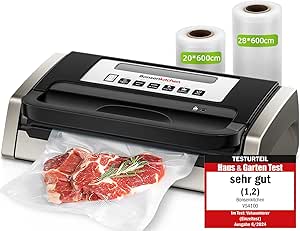
The Bonsenkitchen model emphasizes continuous operation and high speed, which are key for efficiently processing multiple items. Buyers should understand that this design prioritizes workflow over the heavy-duty sealing power of chamber-style units, making it ideal for routine food preservation rather than commercial use.
Key Considerations Before Buying
- Continuous-seal models like this one require proprietary bag rolls, so factor in the long-term cost of compatible vacuum bags versus universal options.
- The included hose accessory suggests it can vacuum-seal containers, adding versatility beyond just bags, which is a valuable feature for marinating or storing leftovers.
- High-speed operation is beneficial for batch processing, but check reviews for noise levels and whether the speed compromises seal integrity on moist foods.
What Our Analysts Recommend
For this category, inspect the sealing bar width and the vacuum pump's power (measured in Pascal or mbar). A good external sealer should have a dry and moist food setting, an automatic bag detection sensor, and a clear indicator for when the oil in the pump requires maintenance.
Vacuum Sealers Market Context
Market Overview
The external vacuum sealer market is highly competitive, with German brands often emphasizing engineering precision and durable plastics. Recent trends show a move toward smarter features like automatic pulse vacuuming for delicate items and integrated bag storage.
Common Issues
Common failures include weak suction over time due to pump wear, faulty heating elements that don't create an airtight seal, and proprietary bag systems that lock users into expensive consumables. Moisture being drawn into the pump is a frequent point of failure.
Quality Indicators
Look for a metal sealing bar instead of plastic, a removable drip tray for easy cleaning, and a warranty that specifically covers the pump mechanism. German-made models often have superior gasket and filter designs to prevent moisture damage.
Review Authenticity Insights
Grade B Interpretation
A Grade B with a 10% estimated fake review rate indicates a generally trustworthy review profile typical for popular home appliances. The adjusted rating of 4.30/5, down from 4.56/5, suggests the core positive feedback is authentic but was slightly inflated.
Trust Recommendation
Focus on the 1-3 star reviews to understand the product's failure modes, as these are less likely to be manipulated. Pay particular attention to reviews mentioning long-term durability over 6-12 months of use, as these provide the most reliable performance data.
Tips for Reading Reviews
For vacuum sealers, prioritize reviews that detail specific use cases like sealing liquids, marinating meats, or freezer preparation over vague praise. Authentic reviews often mention brand-specific bag compatibility, noise levels, and cleanup details.
Expert Perspective
The Bonsenkitchen sealer's very high review volume (over 26,000) and maintained 4.3+ adjusted rating suggest it reliably performs its core function for most users. Its positioning as a 'continuous work' model implies design for frequent, moderate-volume home use rather than occasional or heavy-duty applications. The inclusion of both bags and a hose indicates Bonsenkitchen is targeting versatility-conscious consumers who may want to seal both bags and containers.
Purchase Considerations
Weigh the convenience of high-speed continuous sealing against the potential need for brand-specific bag rolls. Consider your typical usage: if you primarily seal dry goods and pre-portioned meats, this type excels; for frequently sealing liquids or soups, investigate how well the 'moist' setting performs in long-term reviews.
Comparing Alternatives
Shoppers should compare suction power (mbar), bag roll width compatibility, and warranty length with similar models from Klarstein, Princess, or Severin.