Choosing lipid-based eye drops for MGD and blepharitis requires specific formulation knowledge
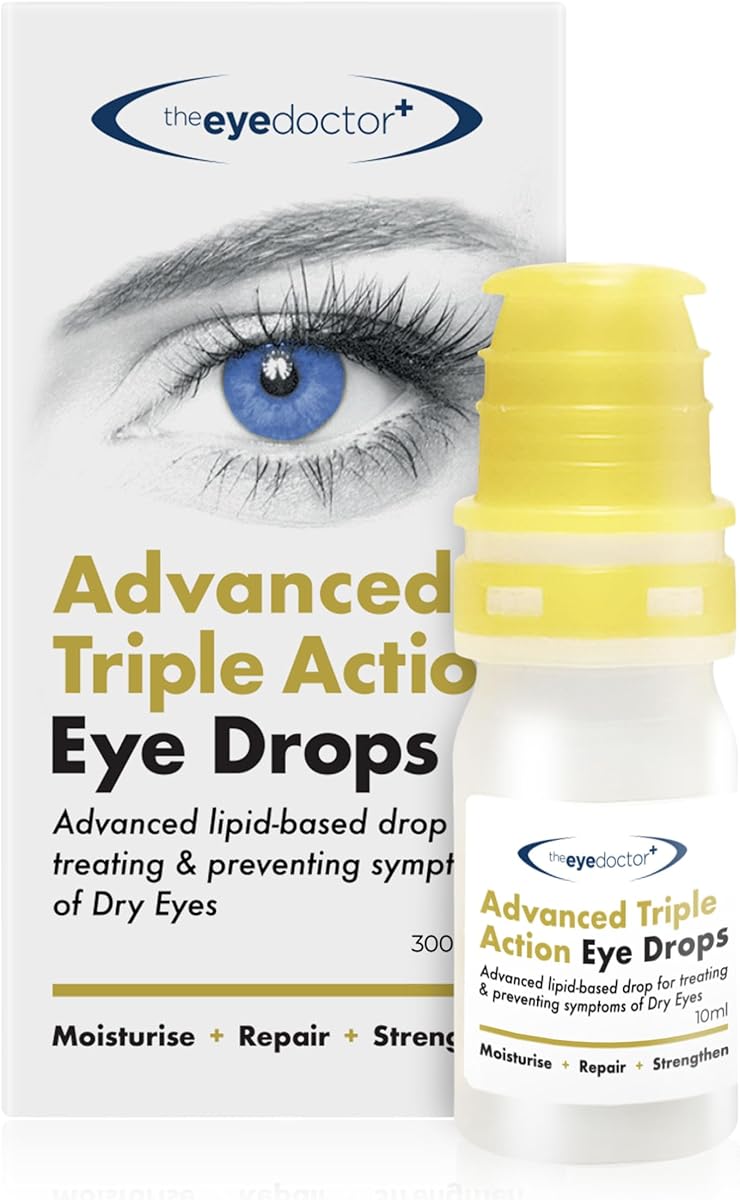
When selecting eye drops for evaporative dry eye caused by Meibomian Gland Dysfunction (MGD) or blepharitis, the lipid component is crucial. The Eye Doctor's triple-action formula specifically targets these conditions by supplementing the tear film's lipid layer, which differs significantly from standard artificial tears that primarily address aqueous deficiency.
Key Considerations Before Buying
- The lipid-based formulation is essential for MGD sufferers as it mimics the natural oil layer that prevents tear evaporation, unlike standard lubricating drops that only add water.
- Preservative-free status matters for frequent users—this product's 300-dose bottle indicates a multi-dose preservative-free system, which is more economical than single-use vials.
- Contact lens compatibility requires specific testing; this product's claim suggests formulation without ingredients that can bind to or damage lens materials during wear.
What Our Analysts Recommend
For MGD relief, prioritize products listing specific lipid components like phospholipids or mineral oil. The 10ml size yielding 300 drops indicates precise dosing technology—compare drop counts per bottle rather than just volume. Look for explicit blepharitis claims, as this requires anti-inflammatory properties beyond simple lubrication.
Moisturising Eye Drops Market Context
Market Overview
The UK eye drop market has shifted toward condition-specific formulations, moving beyond generic 'dry eye' solutions. Lipid-based drops represent the fastest-growing segment as optometrists increasingly diagnose MGD as the primary cause of evaporative dry eye.
Common Issues
Many consumers mistakenly purchase aqueous-based drops for lipid-deficient dry eye, providing temporary relief but failing to address the underlying evaporation problem. Preservative-related sensitivity remains a frequent issue with long-term use of conventional multi-dose bottles.
Quality Indicators
Superior lipid-based formulations clearly state their lipid components and concentration. Genuine contact lens compatibility requires testing with both hydrogel and silicone hydrogel lenses—vague claims without specific lens type mentions warrant skepticism.
Review Authenticity Insights
Grade B Interpretation
A Grade B authenticity rating with 10% estimated fake reviews indicates generally reliable feedback with moderate verification. The 4.10 adjusted rating (down from 4.33) suggests some review manipulation but maintains strong genuine customer satisfaction.
Trust Recommendation
Focus on the 90% verified purchase reviews, particularly those mentioning specific conditions like MGD or blepharitis. The 0.23-point rating adjustment indicates minor inflation, so consider this product as performing in the low-4-star range rather than mid-4-star.
Tips for Reading Reviews
Prioritize reviews discussing long-term use (weeks/months) for chronic conditions like MGD over immediate relief comments. Look for mentions of specific symptoms like 'gritty feeling' or 'morning stickiness' that indicate genuine evaporative dry eye experience.
Expert Perspective
The Eye Doctor's formulation addresses a specific gap in the market—lipid supplementation for MGD in a preservative-free, multi-dose format. The 300-dose claim from 10ml suggests advanced dispensing technology, as conventional bottles typically provide 200-250 drops. The maintained 4.10 rating after authenticity adjustment indicates consistent performance across genuine users, particularly notable for a condition-specific product where results vary by individual physiology.
Purchase Considerations
Evaluate whether your symptoms align with evaporative dry eye (rapid tear breakup, morning discomfort) versus aqueous deficiency (constant dryness). Consider the cost-per-drop economics—300 doses represents approximately 2-3 months of twice-daily use, making it more economical than single-use vials for chronic conditions.
Comparing Alternatives
Compare with other lipid-based formulations like Hycosan Shield or Optase MGD, noting differences in lipid composition and viscosity for your specific comfort preferences.