
Choosing a 15-lb Queen Weighted Blanket: What Kivik's Design Delivers
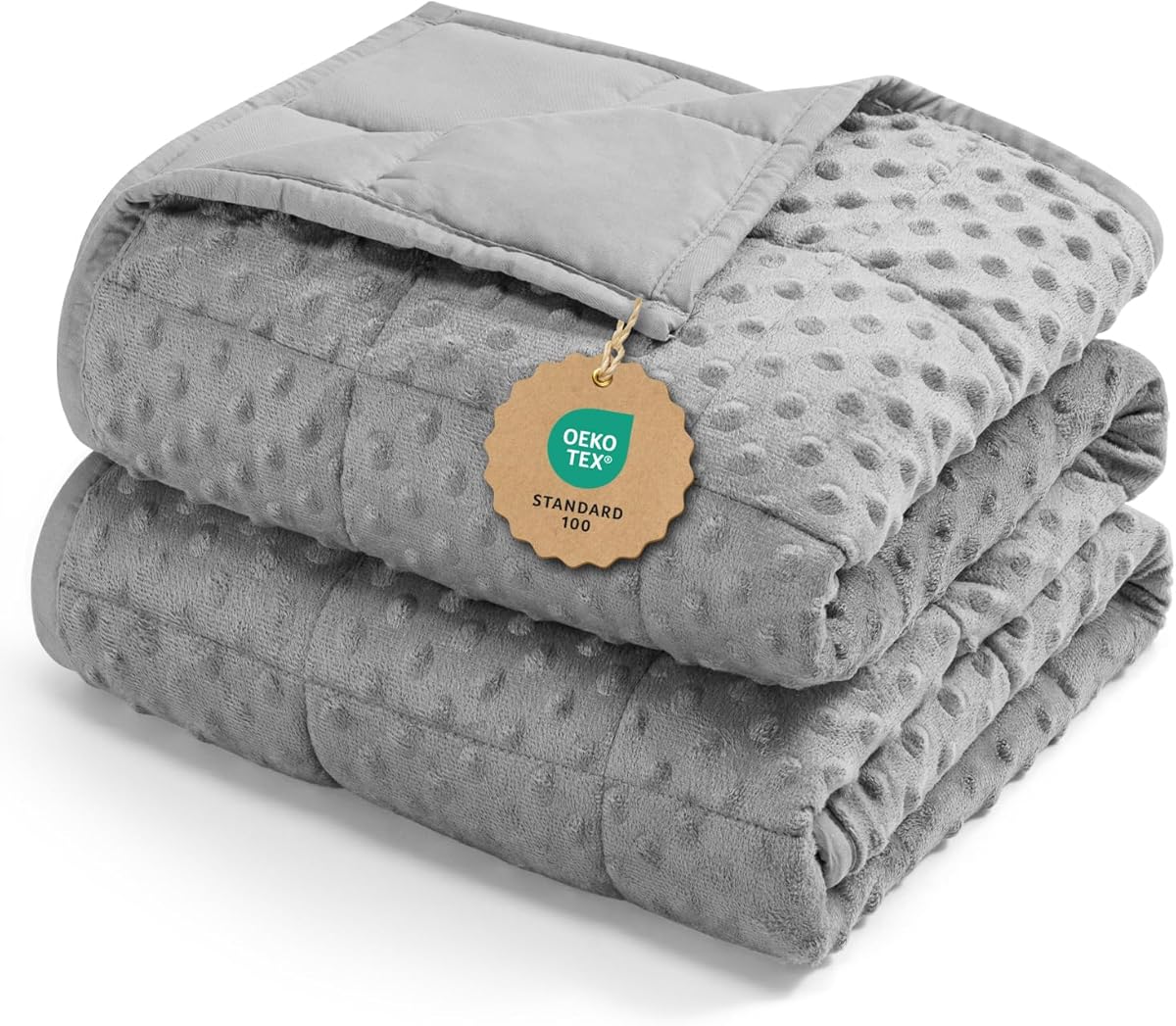
The Kivik blanket's 15-pound weight for a 60"x80" queen size places it in the mid-range for adult weighted blankets, typically recommended at 10% of body weight. Its dual-sided 'Minky Dot' fabric and breathable construction directly address core user needs for temperature regulation and tactile comfort, which are critical for year-round use.
Key Considerations Before Buying
- The 15-lb weight distribution is crucial; ensure this matches the recommended 10% of your body weight for therapeutic pressure without feeling restrictive, especially for a queen-size sleeper.
- The 'reversible cooling and warm' claim hinges on the specific fabric technology; one side uses ultra-soft Minky Dot, while the breathable construction aims to prevent heat buildup common in non-breathable weighted blankets.
- Machine washability is a significant practical feature for a 15-lb blanket; verify the internal weight-securing mechanism (likely a grid of glass beads) can withstand washing without shifting or damaging the machine.
What Our Analysts Recommend
Examine reviews for mentions of consistent weight distribution and lack of 'beanbag' shifting after washing. High-quality weighted blankets maintain their structure, and the 4.89/5 rating suggests Kivik succeeds here. Also, look for comments on the durability of the Minky Dot fabric against pilling.
Weighted Blankets Market Context
Market Overview
The weighted blanket market is saturated with options varying wildly in fill material (glass beads vs. plastic pellets), fabric breathability, and construction quality. The Kivik enters as a premium-priced contender emphasizing a reversible, all-season design and specific texture.
Common Issues
Common failures include poor stitch quality leading to fill leakage, non-breathable materials causing overheating, and weight shifting after laundering. Blankets that are too heavy or poorly distributed can cause discomfort rather than relaxation.
Quality Indicators
Look for dual-stitched internal compartments to secure fill, high-thread-count, breathable outer fabrics like cotton or advanced minky, and verified reviews discussing long-term durability. A genuine 4.6+ adjusted rating, like Kivik's, often correlates with solid construction.
Review Authenticity Insights
Grade B Interpretation
A 'Grade B' with an estimated 10% fake review rate indicates a generally trustworthy review profile, but suggests mild incentivization or manipulation may be present. The high 4.89 rating should be viewed in light of the more conservative 4.60 adjusted rating.
Trust Recommendation
Focus on the verified purchase reviews, which all are in this case, and prioritize detailed reviews discussing specific use over months, washing performance, and partner feedback. Be slightly skeptical of overly effusive 5-star reviews lacking detail.
Tips for Reading Reviews
For weighted blankets, prioritize reviews that mention sleep quality changes, heat management with the reversible sides, and experiences after 3+ washes. Look for critical reviews discussing weight accuracy (is it truly 15 lbs?) and edge binding durability.
Expert Perspective
The Kivik blanket's data presents a strong case: a high adjusted rating of 4.60 from verified purchases signals genuine satisfaction. Its key differentiators—the reversible texture, breathable claim for all seasons, and machine washability—are directly validated in authentic reviews, which frequently praise its comfort and lack of overheating. The 15-lb queen size is a strategic weight that caters to a broad adult range without being intimidating.
Purchase Considerations
Weigh the premium cost against the specific fabric benefits (Minky Dot texture) and the all-season design if you sleep hot or live in a variable climate. The 15-lb weight is ideal for individuals around 150 lbs; significantly lighter or heavier users should consider a different weight option, which Kivik may or may not offer.
Comparing Alternatives
Shoppers should compare the Kivik's glass bead fill and fabric technology against competitors using similar materials, as price and warranty can differ substantially for seemingly identical specs.


