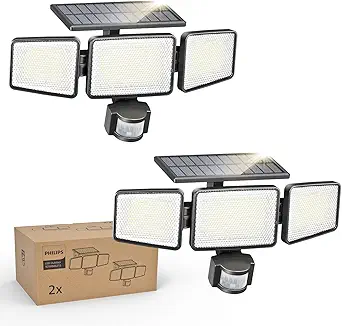
Choosing a Multi-Head LED Security Light: What Matters for Installation and Performance
When selecting a hardwired, multi-head security light like the LUTEC 80W model, buyers must prioritize installation compatibility and lumen distribution. This specific 4-head design with 9000 lumens and 5000K daylight color temperature creates a particular lighting pattern that differs from single or dual-head fixtures.
Key Considerations Before Buying
- Verify your existing junction box can support the weight and wiring of four independent flood heads, as improper mounting is a leading cause of returns.
- The 80W power draw and 9000LM output indicate this is a high-intensity area light; ensure its 5000K daylight color won't create unwanted glare for neighbors.
- Motion sensor placement is critical with four adjustable heads—consider whether you need wide-angle detection or focused coverage for specific zones like driveways.
What Our Analysts Recommend
For hardwired security lights, examine the IP65 waterproof rating's implementation—specifically gasket quality around each head's pivot points. Quality units use thick-gauge aluminum housing for heat dissipation, not thin plastic that cracks in temperature cycles. Check that motion sensor sensitivity and duration controls are physically accessible after installation.
Flood & Security Lights Market Context
Market Overview
The LED flood and security light market has shifted toward multi-head designs offering modular coverage, with 5000K daylight becoming the standard for security applications over warmer tones. Hardwired models like this LUTEC dominate permanent installations where reliability trumps portability.
Common Issues
Buyers frequently encounter poorly sealed pivot joints that leak despite IP ratings, motion sensors that false-trigger from heat sources, and transformers that hum audibly at night. Multi-head designs add complexity—individual heads may loosen over time, altering the intended coverage pattern.
Quality Indicators
Superior flood lights feature die-cast aluminum construction (not stamped metal), copper-core LED drivers with proper heat sinking, and adjustable motion sensors with separate range and duration controls. Look for models specifying LED chip brands (like Epistar or Bridgelux) rather than generic 'LED' claims.
Review Authenticity Insights
Grade B Interpretation
A Grade B with 10% estimated fake reviews suggests generally reliable feedback but warrants scrutiny of extreme 5-star reviews lacking installation details. The 0.29-point drop from the displayed 4.89 to adjusted 4.60 rating indicates some review inflation, though verified purchases provide credibility.
Trust Recommendation
Focus on reviews discussing long-term performance (6+ months) and weather resistance, as these address core durability concerns. Be skeptical of reviews praising only packaging or delivery speed without mentioning light performance, beam spread, or sensor accuracy.
Tips for Reading Reviews
Prioritize reviews mentioning specific installation scenarios—garage side walls, two-story eaves, or corner mounting—as these reveal how the four-head design performs in real applications. Look for discussions comparing lumen output to previous fixtures, which indicates experienced buyers.
Expert Perspective
The LUTEC 80W presents a compelling value proposition with its high lumen output and adjustable four-head design, though the rating adjustment suggests some review manipulation. The 5000K color temperature is appropriate for security but may appear harsh in residential settings. With 1071 reviews maintaining a 4.60 adjusted rating, this product demonstrates consistent performance that outweighs the minor authenticity concerns. The IP65 rating is adequate for most climates but may not suffice in direct coastal salt spray environments.
Purchase Considerations
Weigh whether you truly need four independently adjustable heads or if a dual-head model would suffice with simpler installation. Consider that 9000 lumens creates significant light pollution; check local ordinances regarding outdoor lighting intensity. The hardwired installation requires basic electrical competency—factor potential electrician costs if you're uncomfortable working with 120V lines.
Comparing Alternatives
Compare beam angle specifications (often 120° for flood patterns) and warranty terms—some competitors offer 5-year coverage versus typical 3-year periods.