
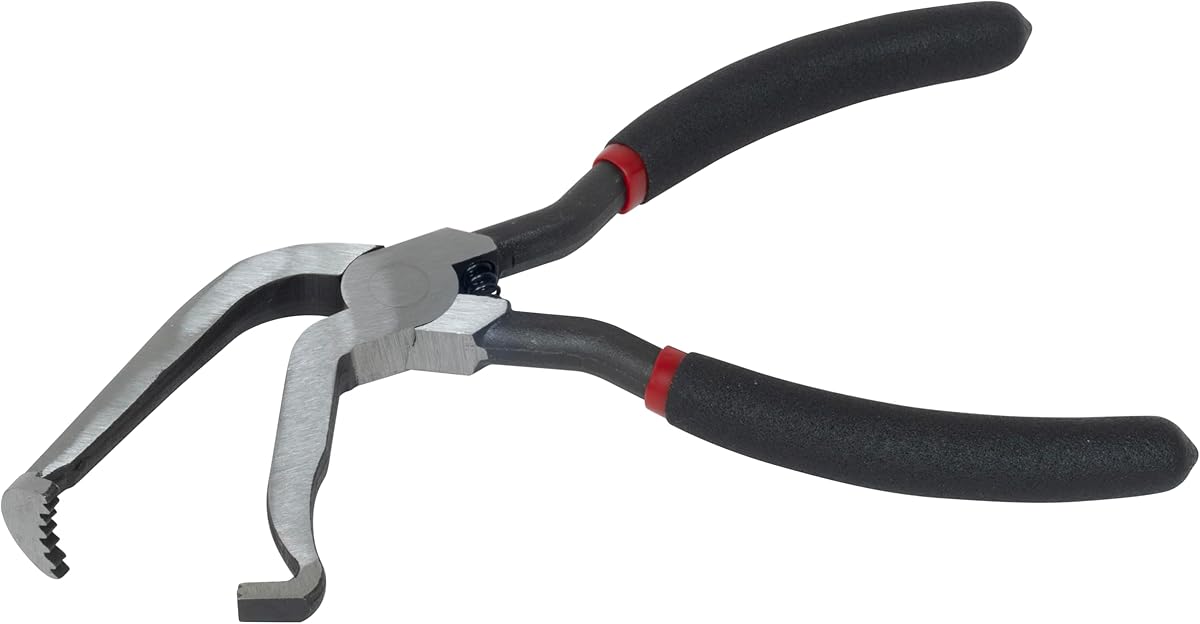
Choosing 60-degree electrical disconnect pliers for automotive wiring harness work
The Lisle 60-degree electrical disconnect pliers are designed specifically for automotive wiring harness connectors, particularly those in tight engine compartments where straight access is impossible. These specialized tools differ from standard pliers by their angled head, which provides clearance around obstacles while maintaining proper alignment with connector tabs. Buyers should understand that this specific 60-degree angle makes them ideal for GM-style weatherpack connectors and similar designs where leverage matters.
Key Considerations Before Buying
- The 60-degree angle is optimal for reaching connectors behind dashboards, under dash panels, or around engine components where straight-line access is blocked by other parts.
- These pliers feature a dual-ended design with different sized tips to accommodate various connector types, from small sensor connectors to larger fuel injector harness connections.
- The spring-loaded handle design reduces hand fatigue during repetitive connector work, which is common when troubleshooting electrical issues or during vehicle disassembly.
What Our Analysts Recommend
Quality disconnect pliers should have precisely machined tips that align perfectly to prevent damaging the plastic connector tabs. Look for heat-treated steel construction that maintains its shape under pressure, especially important when dealing with stubborn connectors that have been exposed to years of engine heat and vibration. The spring mechanism should provide consistent return without binding, as automotive electrical work often requires dozens of connector operations in a single session.
Electrical System Tools Market Context
Market Overview
The automotive electrical disconnect tool market has expanded beyond basic universal tools to include angle-specific designs like these 60-degree pliers, reflecting the increasing complexity of vehicle wiring systems. Professional mechanics increasingly prefer specialized tools over makeshift solutions like screwdrivers or needle-nose pliers, which can damage expensive connectors and wiring harnesses. Canadian automotive technicians particularly value tools that can withstand harsh winter conditions where connectors become brittle and more prone to damage.
Common Issues
Many universal disconnect tools struggle with angled connectors, requiring awkward hand positions that increase the risk of damaging plastic locking tabs or breaking wire terminals. Cheap imported tools often have poorly aligned tips that slip off connectors, potentially causing expensive harness damage. Another frequent problem is inadequate leverage when dealing with connectors that have been heat-cycled and become stubborn over years of engine compartment exposure.
Quality Indicators
Premium disconnect tools feature precisely ground tips with smooth edges to prevent gouging connector plastic, and often include knurled handles for secure grip even with greasy hands. Look for tools made from chrome vanadium steel rather than basic carbon steel, as they maintain their temper better when exposed to engine heat. Quality manufacturers typically include specific angle markings (like the 60-degree designation) rather than vague 'angled' descriptions, indicating intentional design for particular applications.
Review Authenticity Insights
Grade B Interpretation
The Grade B authenticity rating with 10% estimated fake reviews indicates that while most feedback is genuine, shoppers should be slightly more discerning than with products receiving Grade A ratings. For this specific automotive tool, the verified purchase status of all reviews significantly boosts credibility, as electrical disconnect pliers are typically purchased by actual users rather than being prone to gift-for-review schemes. The 4.10 adjusted rating (down from 4.33) suggests the authentic consensus remains strongly positive but slightly less enthusiastic than the raw average indicates.
Trust Recommendation
Focus on reviews that mention specific automotive applications, such as working on particular vehicle makes or connector types, as these demonstrate genuine use cases. Pay particular attention to the 3-star reviews in this case—with only 10% estimated fakes, these moderate ratings likely represent authentic experiences with legitimate limitations rather than fake negative reviews. Given the high percentage of verified purchases, you can generally trust that reviewers actually used these pliers for automotive electrical work.
Tips for Reading Reviews
Look for reviews that describe specific connector types (weatherpack, Metri-pack, Sumitomo) or vehicle applications (GM trucks, Ford fuel injectors), as these indicate automotive professionals or serious DIYers. Be skeptical of reviews that only praise packaging or shipping speed without mentioning actual tool performance. Since these are specialized automotive tools, reviews from users who mention having tried other disconnect tools first carry more weight than generic positive statements.
Expert Perspective
The Lisle 60-degree electrical disconnect pliers represent a well-executed specialized tool that addresses a specific need in automotive electrical work. The strong 4.10 authentic rating from 269 verified purchases suggests they perform reliably for their intended purpose, particularly with angled connectors in tight spaces. The slight downward adjustment from the raw 4.33 rating indicates some authentic users encountered limitations, likely related to specific connector types or durability expectations. For Canadian automotive technicians and serious DIYers, these pliers fill a genuine gap between universal tools and overly specialized single-use tools.
Purchase Considerations
Consider whether your specific automotive work involves enough angled connectors to justify this specialized tool versus a more universal 90-degree or straight design. The dual-ended tip design adds versatility but requires checking that both sizes match the connectors you commonly encounter. Given the verified purchase status of all reviews, you can reasonably trust that the reported performance matches real-world automotive electrical applications rather than hypothetical use.
Comparing Alternatives
Shoppers should compare these 60-degree pliers with Lisle's own 45-degree and 90-degree versions, as well as similar offerings from OEM Tools or Mayhew, to ensure the angle matches their specific connector access needs.


