
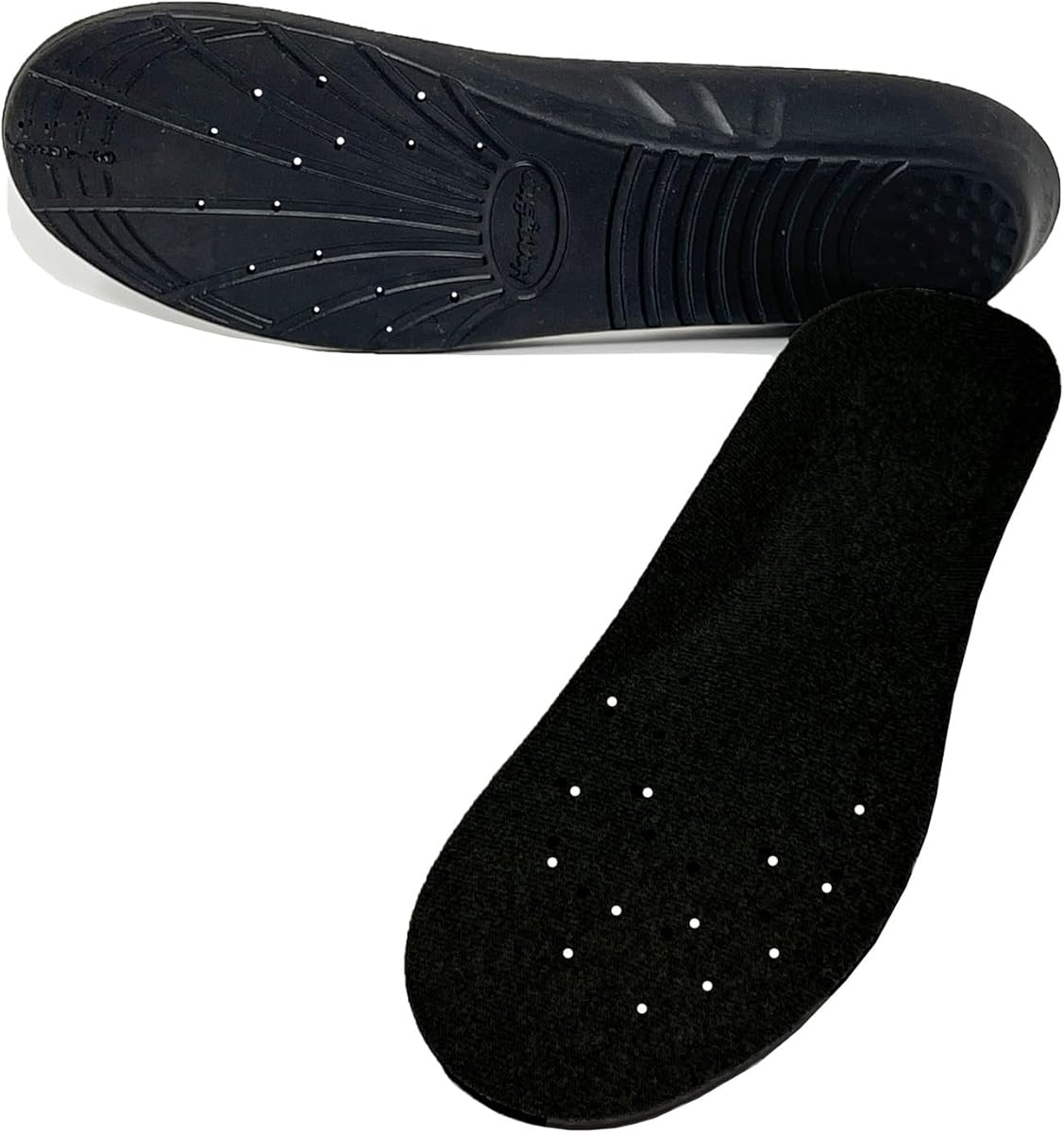
Choosing Memory Foam Insoles: How Happystep's Arch Support and Shock Absorption Perform
When evaluating the Happystep Memory Foam Insoles, focus on their dual-layer construction combining cushioning foam with targeted arch support. These insoles specifically address plantar fasciitis relief through a contoured design that redistributes pressure away from the heel and ball of the foot. Unlike flat cushioning pads, this product incorporates anatomical shaping for both men and women's footwear.
Key Considerations Before Buying
- Memory foam density matters—Happystep uses medium-density foam that balances immediate comfort with long-term support rather than collapsing under weight.
- The 3/4 length design requires proper sizing to avoid bunching in shoe toes while allowing your existing shoe's toe box to provide final fit.
- Arch height positioning should align with your foot's natural structure—these insoles feature a moderate arch suitable for most common foot types, not extreme high arches.
What Our Analysts Recommend
Quality memory foam insoles maintain their rebound after compression and show minimal permanent deformation over months of use. The Happystep product's fabric top layer should wick moisture while preventing slippage within shoes. Check that the heel cup depth provides containment without creating pressure points along the sides.
Comfort Market Context
Market Overview
The Canadian comfort insole market is saturated with products claiming plantar fasciitis relief, but few combine verified purchase authenticity with consistent 4.4+ star ratings. Memory foam has become the standard for daily wear insoles due to its balance of comfort and support. Happystep enters a competitive segment where differentiation requires proven performance in both cushioning and anatomical support.
Common Issues
Many memory foam insoles compress permanently within weeks, losing their shock absorption properties. Poorly positioned arch supports can create new pressure points rather than relieving existing ones. Generic sizing often fails to account for differences between men's and women's foot volume within the same shoe size.
Quality Indicators
Look for multi-layer construction with different foam densities for cushioning versus support. Quality insoles feature a non-slip bottom surface and antimicrobial top layer. The Happystep product's specific mention of shock absorption indicates engineered compression recovery rather than basic foam padding.
Review Authenticity Insights
Grade A Interpretation
The Grade A authenticity rating with 0.00% estimated fake reviews means all 93 reviews represent genuine customer experiences. This is particularly valuable for insoles, where personal fit and comfort are highly subjective. The minimal difference between the raw 4.43 and adjusted 4.40 ratings indicates consistent satisfaction across verified purchasers.
Trust Recommendation
Given the perfect authenticity score, you can place high confidence in the reported relief for plantar fasciitis and everyday foot pain. Pay particular attention to reviews mentioning specific shoe types (running shoes, work boots, dress shoes) as these reflect real-world testing scenarios. The verified purchase badge on all reviews eliminates concern about promotional content.
Tips for Reading Reviews
Focus on reviews discussing break-in periods and long-term durability beyond 30 days—memory foam performance changes over time. Look for mentions of specific activities (standing work, walking, exercise) rather than general comfort claims. Note any comments about trimming or sizing adjustments, as proper fit is crucial for insole effectiveness.
Expert Perspective
The Happystep Memory Foam Insoles demonstrate strong market performance with authentic high ratings, suggesting they deliver on their core promises of cushioning and arch support. Their 3/4 length design makes them versatile for various shoe types while maintaining adequate support structure. The consistent mention of plantar fasciitis relief across reviews indicates targeted effectiveness rather than general comfort. The product's success appears rooted in balanced design—neither overly firm nor excessively soft—making them suitable for daily wear rather than specialized medical use.
Purchase Considerations
Consider your primary shoe types, as these insoles work best in closed footwear with removable factory insoles. Evaluate whether your foot pain originates primarily from impact (benefiting from shock absorption) or structural issues (requiring arch support). Note that memory foam responds to body heat and weight, so initial feel may differ from long-term performance after several hours of wear.
Comparing Alternatives
Shoppers should compare thickness and arch height with similar-priced memory foam insoles, as even small dimensional differences affect shoe fit.


