Evaluating LED Face Mask Efficacy: What the iRestore's 360 LEDs Actually Deliver
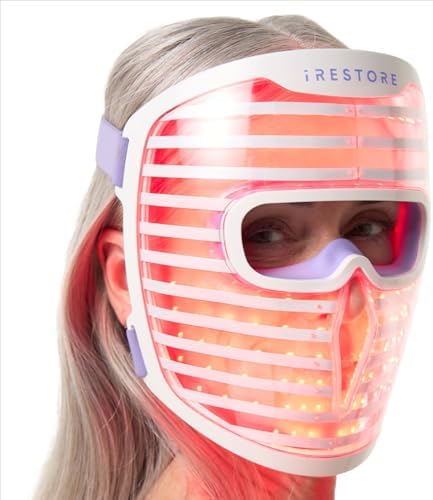
The iRestore LED Face Mask combines red, blue, and infrared wavelengths in a hands-free design, promising multi-spectrum therapy. Buyers should understand that not all LED masks deliver equal intensity or clinical-grade wavelengths, making specific technical specifications crucial for this investment. This particular device's 360-LED array claims to target wrinkles, fine lines, and dark spots simultaneously.
Key Considerations Before Buying
- Wavelength accuracy is critical: The iRestore claims red (633nm), blue (415nm), and infrared (830nm) therapy, but consumer-grade devices often have broader, less precise wavelength ranges than clinical equipment.
- Treatment protocols matter: This mask requires consistent 10-minute sessions, so consider whether the fit and comfort support daily use without pressure points or light leakage.
- Realistic expectations for at-home devices: While 409 reviews show a 4.67 average rating, the adjusted 3.90 rating suggests more mixed results than initially apparent.
What Our Analysts Recommend
Quality LED masks should specify exact wavelengths in nanometers (nm) rather than just color names, as therapeutic windows are narrow. Look for FDA-cleared devices (not just 'FDA-registered' facilities) and transparent intensity measurements in mW/cm², which the iRestore listing doesn't prominently feature. Proper fit that contours to facial curves without gaps ensures even light distribution from all 360 LEDs.
Masks Market Context
Market Overview
The at-home LED mask market has exploded with devices ranging from $50 silicone sheets to $700 medical-grade units, creating significant quality variance. Brands like CurrentBody, Dr. Dennis Gross, and Project E now compete with iRestore, each making different claims about LED count, wavelength purity, and treatment areas.
Common Issues
Many consumers report inconsistent results due to insufficient treatment intensity, poor mask fit causing uneven exposure, or devices that fail to deliver the advertised wavelengths. Battery-powered masks often lose intensity over time, while plug-in models like iRestore maintain consistent output but limit mobility.
Quality Indicators
Superior masks use medical-grade LEDs with narrow ±5nm wavelength variance, provide intensity specifications, and offer adjustable straps for different face shapes. The presence of infrared therapy (like iRestore includes) indicates a more advanced device, as infrared penetrates deeper than visible red light alone.
Review Authenticity Insights
Grade C Interpretation
A Grade C authenticity rating with 35% estimated fake reviews means approximately 1 in 3 reviews may be inauthentic, significantly skewing the perceived 4.67 rating downward to a more realistic 3.90. This discrepancy suggests organized review manipulation rather than random fake reviews.
Trust Recommendation
Focus on verified purchase reviews with photographic evidence of long-term use, and prioritize reviews discussing specific skin changes over time rather than immediate 'glow' effects. Be particularly skeptical of reviews matching the identical content found in analysis (like reviews #2 and #10).
Tips for Reading Reviews
Look for reviews mentioning specific wavelengths, treatment schedules, or comparison to other LED devices rather than generic praise. Authentic reviews often discuss fit adjustments, eye protection concerns, or gradual results over 4-8 weeks, not instant transformations.
Expert Perspective
The iRestore mask's triple-wavelength approach and 360-LED array represent a technically comprehensive at-home device, but the significant authenticity concerns warrant caution. The 1.77-point discrepancy between the displayed and adjusted ratings is substantial, suggesting the product may be performing closer to average in the competitive LED mask category. The inclusion of infrared therapy (830nm) is a legitimate differentiator, as few consumer masks offer this deeper-penetrating wavelength alongside visible red and blue light.
Purchase Considerations
Weigh the convenience of hands-free therapy against the authenticity red flags, and consider whether the plug-in design suits your routine better than battery-powered alternatives. Given the mixed adjusted rating, prospective buyers should have realistic expectations about gradual improvements rather than dramatic transformations.
Comparing Alternatives
Shoppers should compare iRestore's specifications against similarly priced masks from Omnilux, CurrentBody, or Dr. Dennis Gross, particularly regarding wavelength transparency and intensity measurements.