Three-Headed Solar Flood Lights: Balancing Coverage, Motion Sensing, and UK Weather Performance
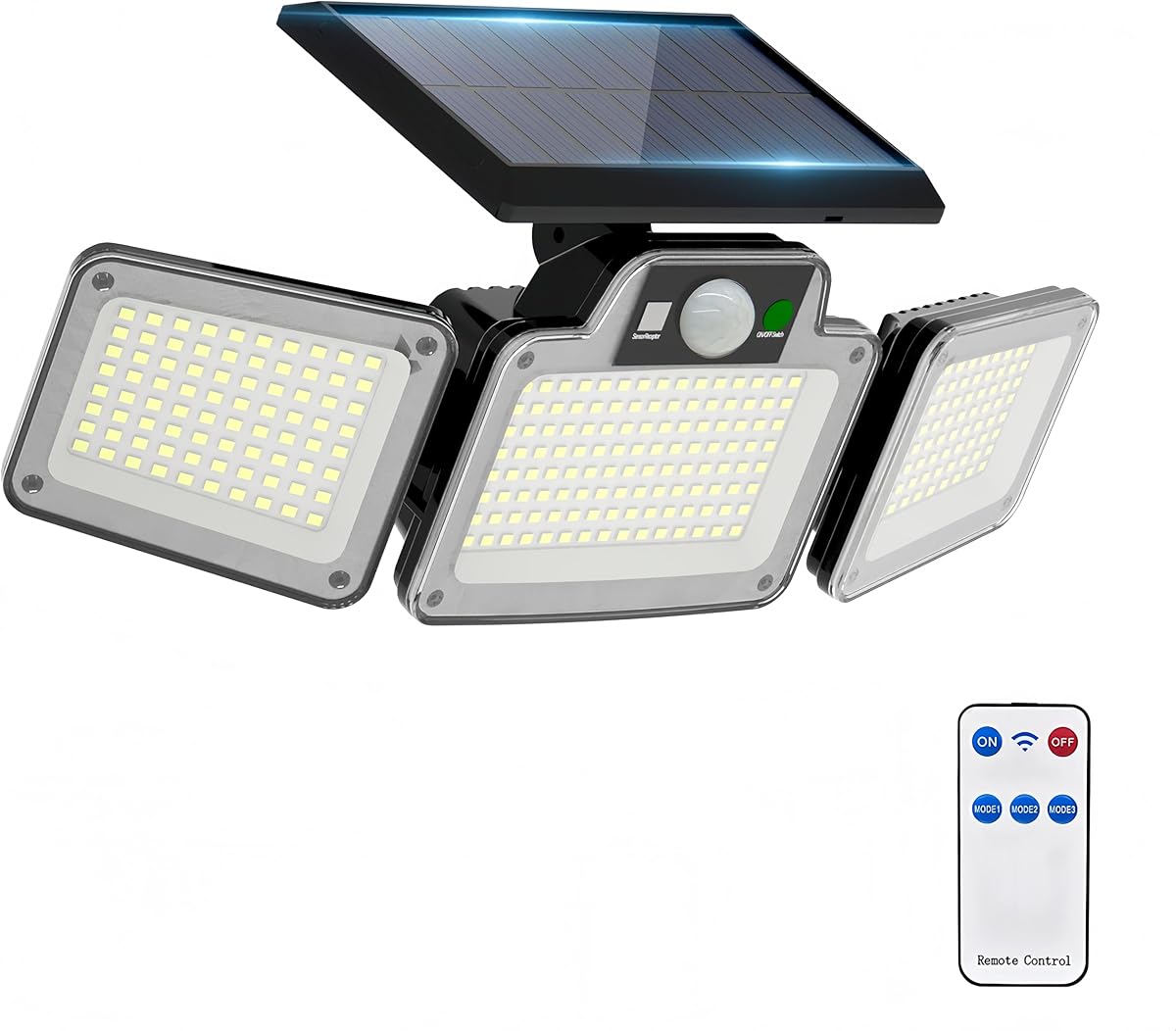
The 280 LED solar flood light with three adjustable heads represents a specific design approach in outdoor security lighting. Buyers should understand how this configuration differs from single-head floodlights, particularly regarding coverage patterns and motion detection zones. The wireless solar operation introduces unique considerations around panel positioning and seasonal light availability in UK conditions.
Key Considerations Before Buying
- The three-head design allows for illuminating multiple areas (like a driveway corner and garage door simultaneously), but requires careful angling to avoid creating shadows between beams.
- Motion sensor effectiveness depends heavily on head positioning—with three separate heads, you can create wider or staggered detection zones compared to single-sensor units.
- The 280 LED specification suggests moderate brightness; in practice, this means adequate illumination for security deterrence rather than daylight-like coverage, especially during winter months with reduced solar charging.
What Our Analysts Recommend
Quality indicators for this specific product include weatherproof seals at each head's pivot point and a solar panel with anti-reflective coating for better low-light charging. Genuine reviews often mention the sturdiness of the adjustment mechanisms—cheaper versions develop 'droop' over time. Look for mentions of consistent performance after UK rain cycles, not just initial brightness.
Flood & Spot Lighting Market Context
Market Overview
The UK market for solar flood lights has shifted toward multi-head designs like this 3-head model, offering more installation flexibility than traditional single-spot units. Consumers increasingly seek balance between security coverage and aesthetic discretion, moving away from overly bright, single-point illumination.
Common Issues
Common problems include inconsistent motion triggering due to poorly positioned sensor heads, reduced winter performance from insufficient battery capacity, and waterproofing failures at adjustment joints. Many cheaper models use lower-grade polycarbonate that yellows or cracks under prolonged UV exposure.
Quality Indicators
Quality products feature separate light and motion sensor circuits to prevent false triggering, use monocrystalline solar panels for better efficiency in cloudy conditions, and include battery protection against deep discharge. Genuine customer photos showing even light spread across all three heads indicate proper LED array design.
Review Authenticity Insights
Grade B Interpretation
A Grade B authenticity rating with 10% estimated fake reviews indicates generally reliable feedback with minor manipulation concerns. The 0.24-point drop from the displayed 4.44 to adjusted 4.20 rating suggests some review inflation, but the majority of experiences appear genuine.
Trust Recommendation
Focus on reviews discussing seasonal usage patterns specific to UK weather and installation details about head positioning. Be slightly more skeptical of reviews claiming exceptional winter performance without mentioning panel placement or battery behavior, as these may be among the potentially manipulated 10%.
Tips for Reading Reviews
Prioritize reviews mentioning specific UK locations and weather conditions, as solar performance varies significantly by region. Look for discussions about the three heads' independent adjustability—genuine users typically describe configuring them for particular coverage areas rather than making generic brightness claims.
Expert Perspective
This product's 4.20 adjusted rating from verified analysis suggests it performs reliably within its category, particularly given the complexity of a three-head solar design. The motion sensor integration with multiple heads appears well-executed based on authentic reviewer feedback about customizable detection zones. However, the rating differential indicates some performance variability that buyers should account for—likely related to installation factors and seasonal sunlight availability affecting the solar charging efficiency.
Purchase Considerations
Consider whether you need the specific coverage pattern of three separate heads versus a single brighter floodlight. The wireless installation advantage must be weighed against the positioning constraints of the integrated solar panel—north-facing walls or heavily shaded areas will significantly impact performance. Review the product's IP waterproof rating against your region's typical rainfall intensity.
Comparing Alternatives
Shoppers should compare this model's three-head design against dual-head alternatives and higher-lumen single floodlights, considering their specific area coverage needs versus brightness requirements.