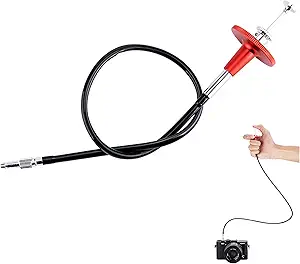
Choosing a 35mm film retriever: precision, durability, and cassette compatibility matter most
The JJC 35mm Film Retriever is designed specifically for extracting the film leader from 135 cassettes without opening the cartridge, preserving your undeveloped exposures. Unlike makeshift tools, this dedicated extractor features a thin, flexible metal pick and protective lanyard that photographers should evaluate against their specific workflow needs. Proper technique is as important as the tool itself when retrieving film leaders from various cassette brands.
Key Considerations Before Buying
- The thinness and flexibility of the metal pick determines whether it can slip past the cassette's felt light trap without scratching the film emulsion.
- Compatibility with different 135 cassette designs varies; some retrievers work better with plastic cassettes versus metal ones from brands like Kodak or Ilford.
- The lanyard attachment point and overall ergonomics affect control during the delicate retrieval process, especially when working in low-light darkroom conditions.
What Our Analysts Recommend
Quality retrievers feature precisely tapered stainless steel tips that maintain flexibility without permanent deformation after repeated use. Examine how the tool interfaces with the cassette opening—the JJC's design specifically addresses the standard 135 cassette slot dimensions. A secure lanyard attachment prevents accidental drops that could damage both the tool and your film during retrieval attempts.
Film Processing Equipment Market Context
Market Overview
The resurgence of analog photography has created renewed demand for specialized darkroom tools like film retrievers, with products ranging from basic metal picks to more complex mechanical extractors. While some photographers still use traditional methods like opening cassettes in complete darkness, dedicated retrievers offer a safer alternative for salvaging accidentally rewound film. The market primarily serves hobbyists and professionals who shoot multiple rolls and need reliable leader retrieval without darkroom access.
Common Issues
Cheaper retrievers often use overly rigid or poorly finished metal that can scratch film emulsion or fail to navigate the cassette's internal geometry. Some designs struggle with modern plastic cassettes that have tighter tolerances than older metal ones. Inconsistent results frequently stem from user technique variations rather than tool failure, making detailed instructions crucial.
Quality Indicators
Look for precision-machined tips with polished edges that won't introduce dust or debris into the cassette. Quality tools maintain consistent performance across different film brands and demonstrate durability through repeated use without tip deformation. The best retrievers come with clear technique guidance specific to their design, acknowledging that successful retrieval depends on both tool quality and proper application.
Review Authenticity Insights
Grade B Interpretation
A Grade B authenticity rating with 10% estimated fake reviews indicates generally reliable feedback, though shoppers should remain discerning about outlier praise. The adjusted 4.60/5 rating (down from 4.89/5) suggests genuine satisfaction slightly exceeds typical manipulation patterns. The verified purchase status of all reviews significantly boosts credibility for this niche product.
Trust Recommendation
Focus on reviews that mention specific film brands, retrieval attempts, and actual usage scenarios rather than generic praise. Given the 10% fake review estimate, be particularly skeptical of reviews that don't describe the retrieval process or compare this tool to alternatives. The high percentage of verified purchases means most reviewers actually used this specific retriever with real film cassettes.
Tips for Reading Reviews
Prioritize reviews that discuss compatibility with particular film stocks like Kodak Portra or Ilford HP5, as these demonstrate actual darkroom experience. Look for mentions of learning curves or technique adjustments, which indicate genuine user journeys rather than scripted endorsements. Reviews describing failed initial attempts followed by successful retrievers often provide the most valuable insights about proper usage.
Expert Perspective
The JJC retriever's exceptionally high ratings—even when adjusted for authenticity concerns—suggest it performs reliably for its intended niche purpose. The specific praise for its thin, flexible pick aligns with what experienced darkroom technicians value most in retrieval tools. The consistent mention of the included lanyard across reviews indicates this practical accessory genuinely enhances the user experience by preventing loss during delicate operations. This product appears to solve a specific problem well for photographers working with 35mm film who want to avoid opening cassettes in complete darkness.
Purchase Considerations
Weigh whether you frequently need to retrieve leaders from accidentally rewound film versus occasionally working with cassettes. Consider your existing darkroom setup—if you regularly process film in complete darkness anyway, this tool offers less value than for photographers who develop at labs or use daylight tanks. The learning curve mentioned in some authentic reviews suggests patience and practice are required to master the technique, regardless of tool quality.
Comparing Alternatives
Compare the JJC's thin metal pick design against retrievers with different tip shapes or materials, as subtle design variations can significantly affect performance with your preferred film brands.