
Evaluating NMNH Supplements: What 500mg Sublingual Form Means for NAD+ Absorption
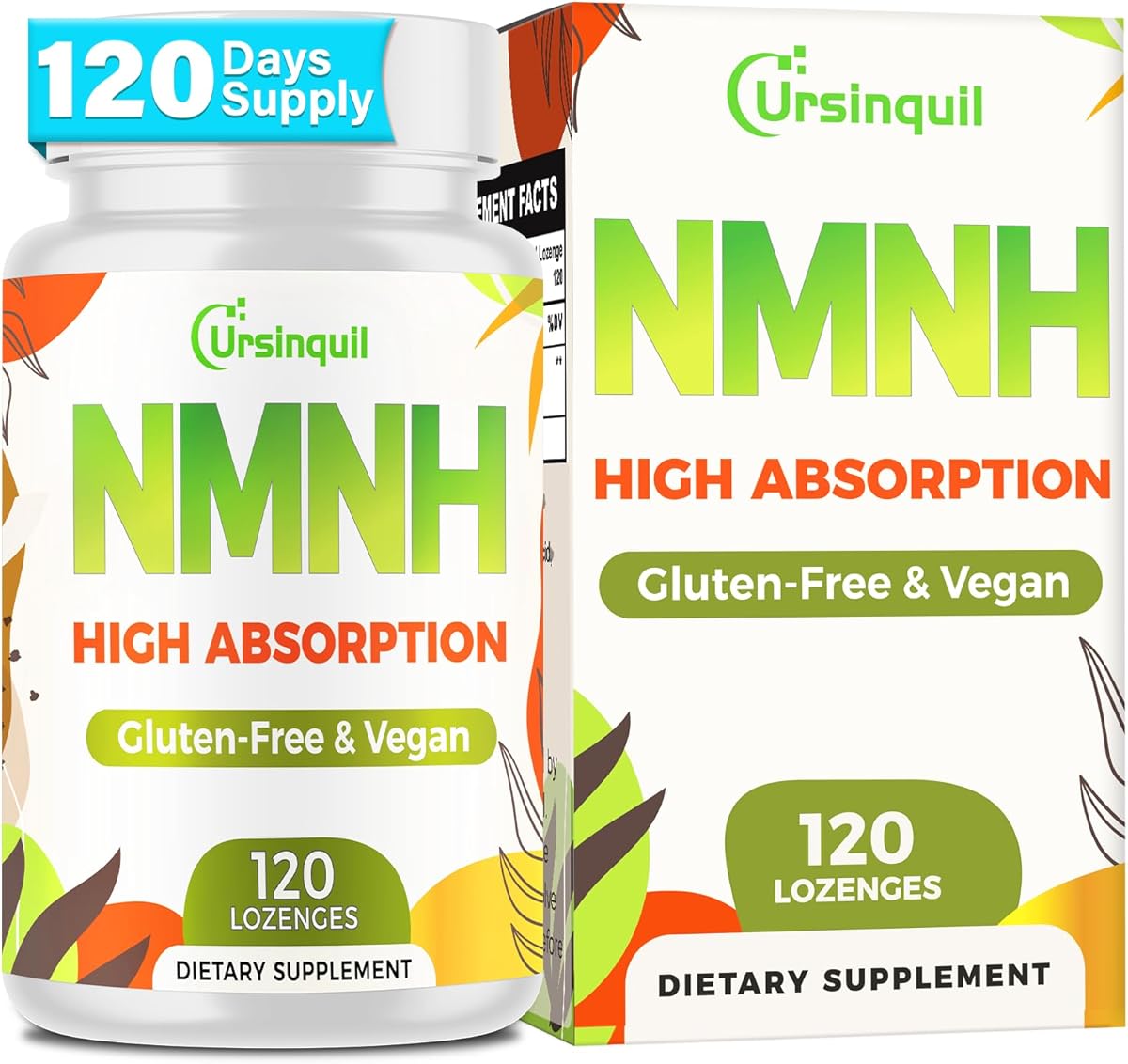
This specific product offers dihydronicotinamide mononucleotide (NMNH) in a 500mg sublingual format, which differs significantly from traditional oral NAD+ precursors like nicotinamide riboside (NR) or nicotinamide mononucleotide (NMN). The sublingual delivery method claims to bypass first-pass metabolism, potentially increasing bioavailability of this experimental NAD+ booster. As a B3 derivative, NMNH represents a newer entry in the longevity supplement category with limited human clinical data compared to established forms.
Key Considerations Before Buying
- The 500mg serving size exceeds typical NMN doses (250-500mg), but NMNH's potency relative to NMN remains unclear without published comparative bioavailability studies.
- Sublingual administration requires proper technique—holding under the tongue for adequate absorption time—which many users may not execute consistently.
- Unlike FDA-regulated pharmaceuticals, this supplement makes anti-aging claims without the required clinical evidence for such disease-related statements.
What Our Analysts Recommend
For NMNH specifically, seek third-party purity verification since this compound is chemically unstable and requires specialized manufacturing. The product should disclose whether NMNH is synthetic or derived from natural sources, as this affects both cost and potential contaminants. Given the high price point of NAD+ supplements, batch-specific Certificates of Analysis (CoA) for identity and purity are essential.
B3 (Niacin) Market Context
Market Overview
The NAD+ precursor market has expanded rapidly from established forms like NR and NMN to newer compounds like NMNH, creating a confusing landscape for consumers. This specific product competes in the premium anti-aging supplement space where prices often exceed $1 per serving, yet regulatory oversight remains minimal. The B3 vitamin category now includes these specialized derivatives that claim superior NAD+ boosting despite limited comparative human data.
Common Issues
Many NAD+ supplements show batch-to-batch inconsistency in active ingredient concentration, with some independent tests revealing significant deviations from label claims. The sublingual format presents additional stability challenges, as moisture exposure can degrade NMNH before consumption. Companies frequently make extrapolated claims based on cellular or animal studies without human trials specific to their formulation.
Quality Indicators
Superior NAD+ supplements provide transparent sourcing of raw materials, ideally from manufacturers with pharmaceutical-grade facilities. Look for products that specify the salt form (chloride vs. bicarbonate) and include supporting ingredients like apigenin or TMG that may enhance NAD+ utilization. Independent lab verification for both purity and dissolution rate of sublingual tablets is particularly important for this delivery method.
Review Authenticity Insights
Grade D Interpretation
The 'D' authenticity grade and 65% estimated fake review rate indicate that most positive feedback appears artificially generated, particularly concerning given all 16 reviews are 5-star—a statistical anomaly for any supplement. This pattern suggests coordinated review manipulation rather than organic customer experiences, which is especially problematic for a novel compound like NMNH where authentic user feedback is crucial.
Trust Recommendation
Given the high fake review percentage, place minimal weight on the perfect 5.0 rating and instead seek third-party verification through independent testing organizations like ConsumerLab or Labdoor. The adjusted 3.40/5 rating better reflects what genuine reviews might indicate about this specific NMNH formulation.
Tips for Reading Reviews
For experimental supplements like NMNH, prioritize reviews discussing specific effects over time (weeks/months) rather than immediate results, as NAD+ modulation requires sustained use. Be skeptical of reviews using identical marketing phrases like 'daily routine' or repeating product name variations, which indicate templated content rather than personal experience.
Expert Perspective
This product presents several red flags: the perfect rating with high fake review probability, novel compound status with limited human data, and anti-aging claims that exceed regulatory boundaries for supplements. While sublingual NMNH theoretically offers pharmacokinetic advantages, the absence of published human studies on this specific form makes efficacy claims speculative. The 120-count size represents a significant financial commitment ($60-100 typically) for an unproven intervention, particularly when compared to more researched NAD+ precursors.
Purchase Considerations
Consumers should weigh the premium price against the lack of human clinical data for NMNH specifically, recognizing that cellular NAD+ boosting doesn't necessarily translate to measurable anti-aging benefits in humans. The sublingual format may benefit those with gastrointestinal sensitivity to traditional NAD+ precursors, but proper administration technique is critical for potential advantages. Given the authenticity concerns, verification through independent third-party testing becomes essential before considering purchase.
Comparing Alternatives
Shoppers should compare this NMNH product against established NAD+ precursors like nicotinamide riboside (NR), which has more human clinical data, and evaluate cost per milligram of active ingredient across delivery methods.


