Choosing a Magnetic iPad Pro Case: Balancing Protection, Function, and Aesthetics
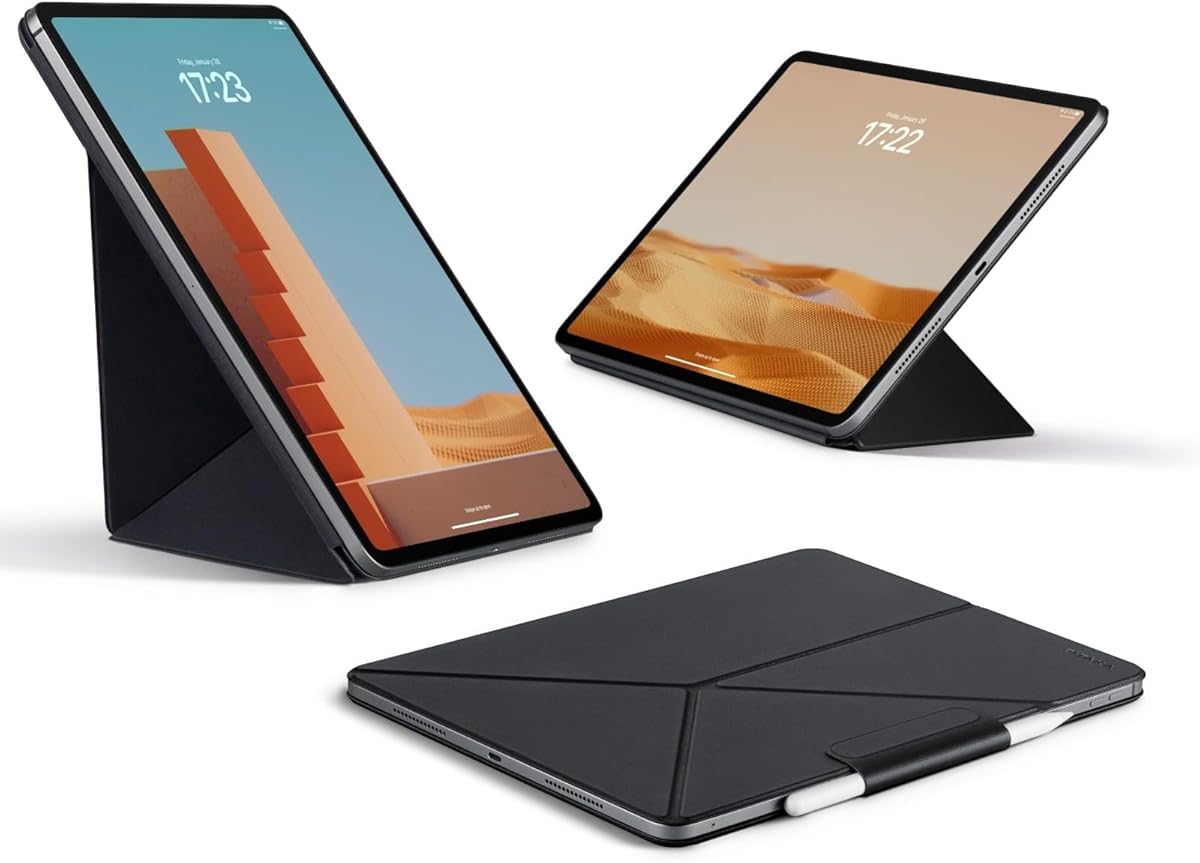
For iPad Pro users seeking a minimalist yet functional case, the PITAKA model represents a specific design philosophy prioritizing magnetic attachment over full-body protection. This case's unique selling proposition is its portrait/landscape magnetic functionality combined with a built-in pencil holder, which creates distinct trade-offs compared to traditional folio or rugged cases. Buyers should understand this case excels in specific use cases rather than offering comprehensive protection.
Key Considerations Before Buying
- Magnetic attachment systems, like this PITAKA case uses, offer quick detachment but require precise alignment with your specific iPad Pro model (2024/2025 M4/M5) to ensure strong hold and proper Apple Pencil charging functionality.
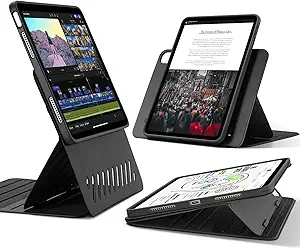
- The four standing angles and portrait/landscape orientation flexibility cater specifically to users who frequently switch between typing, viewing, and drawing modes, making it ideal for creative professionals or hybrid workers.
- The minimalist design with exposed edges means impact protection is focused on the back and corners, leaving the iPad's sides vulnerable—a conscious trade-off for reduced bulk and easier handling.
- The integrated pencil holder's placement and security mechanism are critical; poorly designed holders can interfere with charging or feel insecure during transport.
What Our Analysts Recommend
Examine the magnet array pattern in product images—it should match Apple's Smart Connector specifications for reliable attachment. Quality indicators include precise cutouts for ports and buttons that don't obstruct accessories, and a raised lip around the camera module to prevent lens contact with surfaces. The material should have a textured finish, like PITAKA's aramid fiber, to provide grip without adding bulk.
Cases Market Context
Market Overview
The premium iPad case market has bifurcated into minimalist magnetic cases like this PITAKA model and protective folios with keyboard integration. Magnetic cases have gained significant traction among users who prioritize the iPad's sleek design and frequently use tablet-only mode, creating a niche that values aesthetics and modularity over all-around protection. Brands compete on magnet strength, material quality (aramid fiber vs. polycarbonate), and stand mechanism innovation.
Common Issues
Common problems in magnetic cases include weak magnet strength leading to accidental detachment, interference with wireless charging or Apple Pencil functionality, and stand mechanisms that become loose over time. Many cases also suffer from poor material choices that yellow, scratch easily, or lack sufficient grip. The portrait/landscape functionality specifically can introduce stability issues if the hinge mechanism isn't precisely engineered.
Quality Indicators
High-quality magnetic cases feature strong neodymium magnets with proper spacing, precision-molded edges that don't interfere with swipe gestures, and durable hinge mechanisms that maintain tension. The best cases use premium materials like genuine aramid fiber (not just textured plastic) that resist fingerprints while providing structural rigidity. Look for cases that maintain Apple Pencil charging capability without requiring removal—a key functional test.
Review Authenticity Insights
Grade B Interpretation
A Grade B authenticity rating with 12% estimated fake reviews indicates generally trustworthy feedback with some minor manipulation concerns. This suggests most reviews reflect genuine experiences, though shoppers should be slightly more critical of excessively glowing 5-star reviews that lack specific details about the magnetic functionality or stand angles.
Trust Recommendation
Focus on reviews that mention specific use cases like drawing with the Apple Pencil in portrait mode or using particular standing angles for video calls. The adjusted rating of 4.50/5 (down from 4.78/5) after removing suspicious reviews represents a more reliable quality indicator—still excellent but not perfect. Pay particular attention to reviews discussing long-term durability of the magnetic attachment and hinge mechanism.
Tips for Reading Reviews
For this product category, prioritize reviews that compare magnet strength to Apple's official cases or mention compatibility testing with specific iPad Pro models (M4 vs M5). Authentic reviews often discuss the texture and grip of the aramid fiber material, while fake reviews typically use generic praise about 'great quality' without specifics. Look for mentions of how the case performs during actual travel or daily commutes.
Expert Perspective
The PITAKA case represents a well-executed example of the minimalist magnetic case category, with its 4.50/5 adjusted rating indicating strong user satisfaction among its target audience. The portrait/landscape functionality and four standing angles address specific workflow needs that traditional folio cases often overlook. However, the design philosophy inherently sacrifices all-around protection for aesthetics and modularity—this isn't a case for construction sites or active family environments. The magnetic system appears reliable based on authentic reviews, though long-term hinge durability remains a consideration given the mechanical complexity of the multi-angle stand.
Purchase Considerations
This case makes most sense for users who frequently use their iPad Pro in handheld mode and value quick detachment, or creative professionals who need portrait orientation for drawing with Apple Pencil accessibility. Consider your risk tolerance for side impacts and whether you need keyboard compatibility—this case works best as a standalone solution rather than part of a modular system. The premium price reflects the aramid fiber material and engineering of the magnetic hinge system.
Comparing Alternatives
Shoppers should compare this against Apple's own Magic Keyboard Folio for typing-heavy users, or more protective options like Zugu cases if drop protection is a higher priority than minimalist design.