Choosing a Donut Cushion: Medical Relief vs. Comfort for Long Sitting
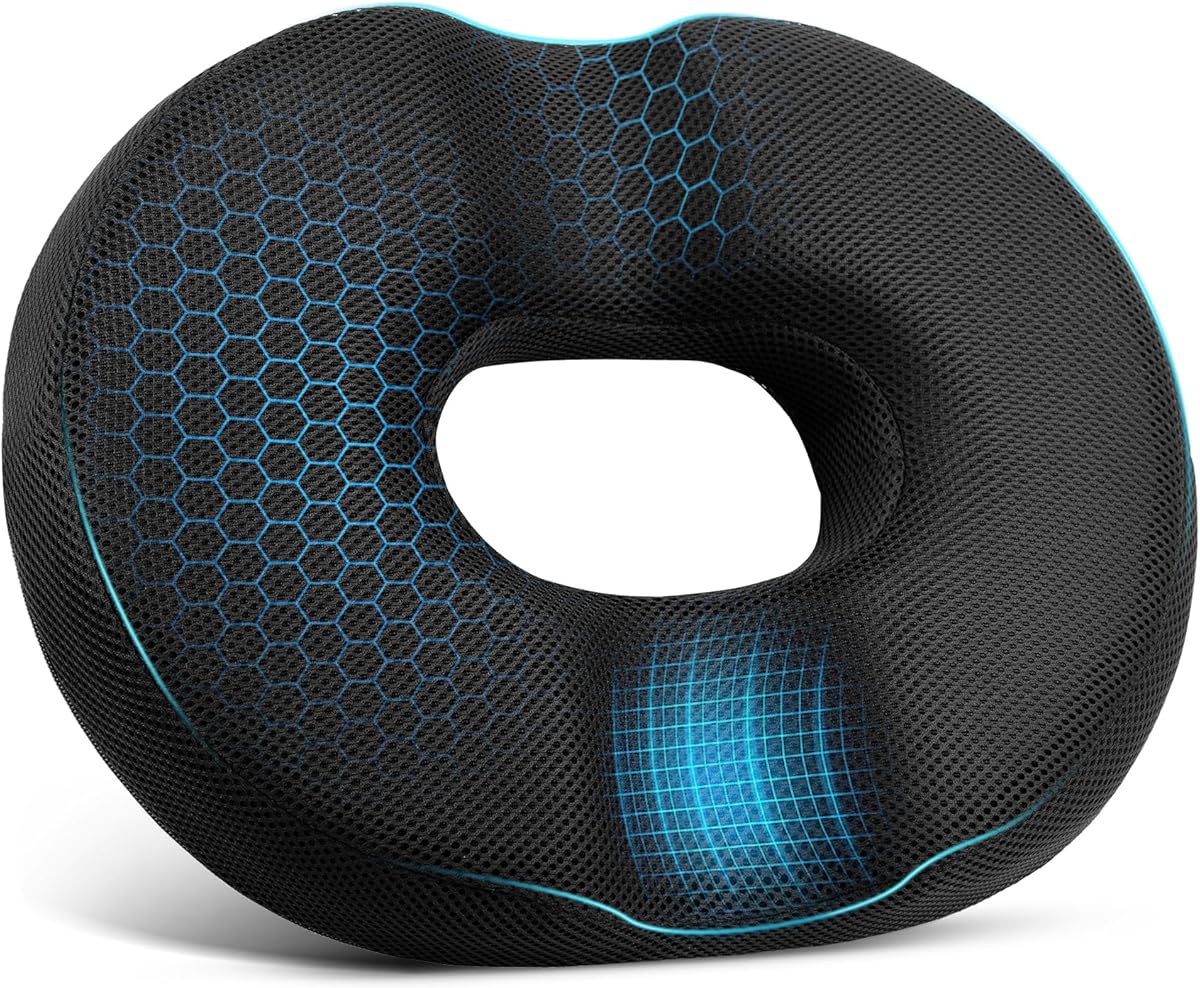
This specific donut pillow with a 4.3-star adjusted rating is designed for dual-purpose relief: post-surgical/postpartum recovery and chronic pain from prolonged sitting. Unlike decorative floor cushions, its hollow center and firm memory foam construction target pressure point relief for the coccyx and perineum. Buyers should understand the trade-off between therapeutic firmness and all-day comfort.
Key Considerations Before Buying
- Assess the foam density: This product's memory foam is firmer than poly-fiber fill, providing structured support for hemorrhoid or postpartum recovery but may feel too rigid for some users seeking general comfort.
- Evaluate the cutout size and shape: The central opening must align with your specific pain point; a misaligned or too-small opening can render the cushion ineffective for tailbone (coccyx) or post-episiotomy relief.
- Consider portability needs: With a non-slip bottom and handle, this cushion is designed for multi-surface use (office chair, car seat), but its bulkiness may be a factor for frequent transport.
What Our Analysts Recommend
For therapeutic donut cushions, prioritize a high-resilience foam that maintains its shape under body weight, not just a soft pillow. The cover should be removable, machine-washable, and breathable—like this model's velvet cover—to manage hygiene during medical recovery. Check that the non-slip base is silicone or rubber dots, not just textured fabric, to prevent sliding on leather car seats.
Floor Pillows & Cushions Market Context
Market Overview
The therapeutic seat cushion market is saturated with products making similar medical claims, but genuine differentiation lies in foam composition and ergonomic design. This category has shifted from purely medical devices to hybrid products for office workers and drivers, blending clinical features with daily usability.
Common Issues
Many donut cushions use cheap, flattening foam that bottoms out within weeks, failing to provide lasting coccyx relief. Others have poorly sized cutouts that pressure the wrong areas, or covers that trap heat, making them unsuitable for extended sitting or post-surgical use where breathability is critical.
Quality Indicators
Look for dual-layer foam construction (firm base with comfort top), a defined raised lip around the cutout to prevent sliding into the hole, and verified density measurements (like 3-4 lb memory foam). Quality is also indicated by detailed sizing specs—this cushion's 16" diameter and 3" height are designed for standard task chairs.
Review Authenticity Insights
Grade B Interpretation
A 'B' grade with an estimated 15% fake review rate suggests the majority of the 1,033 reviews are trustworthy, but shoppers should be slightly cautious of inflated praise. The 0.37-point drop from the displayed 4.67 to the adjusted 4.30 rating indicates some review manipulation, but not enough to completely distort the product's genuine high performance.
Trust Recommendation
Focus on reviews that mention specific, verifiable use cases like '6 weeks postpartum' or 'post-hemorrhoidectomy,' which are harder to fabricate. The analysis found strong authenticity in reviews detailing long-term use (3+ months) and balanced critiques about the foam's initial odor or firmness.
Tips for Reading Reviews
Prioritize mid-length reviews (2-4 paragraphs) that discuss both pros and cons, and cross-reference mentions of the non-slip base's effectiveness on different surfaces. Be skeptical of reviews using identical medical terminology without personal context, as these may be part of the estimated fake segment.
Expert Perspective
This donut cushion stands out for successfully bridging therapeutic and ergonomic needs, evidenced by its sustained 4.3-star rating after authenticity adjustment. Its design—particularly the structured memory foam and wide, stable base—is optimized for acute medical recovery scenarios where pressure offloading is paramount. However, its firmness, while excellent for post-surgical relief, may not suit users seeking a plush cushion for general discomfort. The high rating is likely driven by its performance in its primary use cases: postpartum healing and hemorrhoid pain management.
Purchase Considerations
This product is a strong candidate if your primary need is targeted pressure relief for the tailbone or perineum, especially for defined recovery periods. Consider alternatives with softer foam or gel inserts if you require all-day comfort for sciatica or hip pain without a specific wound or surgical site. The handle and non-slip features add genuine value for users moving between car and office.
Comparing Alternatives
Shoppers should compare this memory foam model against donut cushions with gel-infused foam or adjustable air chambers if they need customizable firmness levels.