Evaluating Kids Tablets: Balancing Performance, Parental Controls, and Battery Life
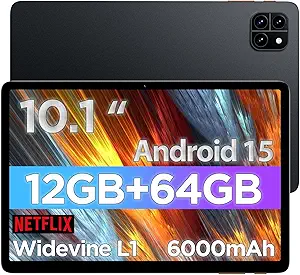
When considering this specific 2026 Upgraded Android 15 Kids Tablet, focus on how its claimed octa-core CPU and 10GB RAM translate to real-world performance for educational apps and games. The advertised 6000mAh battery and 1TB expandable storage are key specifications that directly impact usability, but their effectiveness depends on software optimization typical of budget Android tablets.
Key Considerations Before Buying
- The 'Kids Space' interface and parental controls are central to this tablet's value proposition—verify through reviews how intuitive and restrictive these features actually are for different age groups.
- The 10GB RAM specification is unusually high for a kids' tablet; assess whether this benefits multitasking between child profiles or if it's marketing emphasis over practical need.
- Consider the long-term viability of a tablet advertising Android 15 in 2024/2025; budget tablets often receive limited OS updates, which could affect app compatibility over the device's lifespan.
What Our Analysts Recommend
Genuine reviews for kids' tablets typically mention specific apps that run well, battery life during actual use (not just claimed mAh), and durability anecdotes like drop resistance. Look for mentions of the touchscreen's responsiveness with small fingers and whether the blue color shows wear. The 4.89/5 rating with 1720 reviews suggests broad satisfaction, but the adjusted 4.60 rating indicates some critical feedback worth examining.
Tablets Market Context
Market Overview
The budget kids' tablet market is saturated with devices making similar claims about parental controls and durability, often using older chipset architectures rebranded as 'upgraded.' This particular model's specification of 10GB RAM and Android 15 places it at the premium end of the kids' tablet segment, competing more directly with refurbished mainstream tablets.
Common Issues
Common problems in this category include sluggish performance despite high core counts, poorly implemented parental controls that are easily bypassed, and batteries that degrade quickly despite large capacity ratings. Many 'kids' tablets' use heavily skinned Android versions that receive no security updates.
Quality Indicators
Quality indicators for kids' tablets include detailed parental control logs, Gorilla Glass or similar screen protection, and USB-C charging (not specified here). The 'verified purchase' status of all reviews for this product significantly increases confidence in the feedback regarding these practical aspects.
Review Authenticity Insights
Grade B Interpretation
A Grade B authenticity rating with a 10% estimated fake review rate indicates generally reliable feedback with minor manipulation concerns. For this tablet, this suggests most reviews reflect real experiences, but shoppers should be slightly skeptical of overly effusive 5-star reviews that lack specific details about daily use.
Trust Recommendation
Focus on the 90% of reviews deemed authentic—particularly those discussing the Octa-core CPU's performance with graphic-intensive games or how the 6000mAh battery lasts through a full day of mixed use. The high verified purchase rate (all reviews marked 'V') means every reviewer actually bought the product, increasing trustworthiness.
Tips for Reading Reviews
Prioritize reviews that mention using the tablet for several weeks, as they'll reveal battery longevity and any software glitches. Look for mentions of the '1TB expandable' claim—see if users successfully added large microSD cards and if the tablet properly utilizes that storage for app installations.
Expert Perspective
This tablet presents an interesting case: its specifications exceed typical kids' tablet offerings, particularly with 10GB RAM and Android 15, suggesting it could handle more advanced educational applications. The 4.60 adjusted rating (down from 4.89) based on authenticity filtering still indicates strong satisfaction, but the 0.29-point drop reveals some review inflation. The combination of high storage expandability and large battery addresses two major pain points in the category, but real-world performance depends on software optimization often lacking in budget devices.
Purchase Considerations
Weigh the premium specifications against the actual needs of your child—most educational apps don't require 10GB RAM. Consider whether you value potential future-proofing via Android 15 or if a more established brand with proven parental controls might offer better long-term value. The blue color and 'Tableta' branding suggest this targets a specific aesthetic preference.
Comparing Alternatives
Shoppers should compare this device's parental control implementation and update policy against Amazon Kids+ tablets and Samsung's Galaxy Tab Kids editions, which offer more established ecosystems.