Choosing the Right Ergonomic Mouse Wrist Rest for Carpal Tunnel Relief
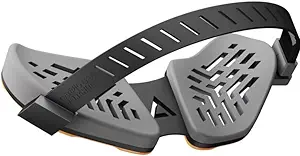
The JIKIOU Right-Handed Truly Ergonomic Wrist Rest targets users seeking specific relief from mouse-related strain. Unlike flat pads, its contoured design and two-pack offering suggest a focus on dedicated, angled support for the right hand's natural mouse posture. Buyers should evaluate whether this specialized shape aligns with their desk setup and repetitive motion patterns.
Key Considerations Before Buying
- Handedness is critical: This product is specifically molded for right-handed users, meaning left-handed users or those who switch hands will find it ineffective or uncomfortable.
- Desk real estate matters: The contoured, elevated design requires stable placement and may not fit well with compact or cluttered keyboard/mouse arrangements.
- Material durability affects glide: The 'Easy Glide' surface claim hinges on the foam's resilience and top-layer integrity over months of friction and pressure.
What Our Analysts Recommend
For a product like the JIKIOU, examine reviews mentioning long-term foam compression and surface wear. Genuine feedback often details the specific angle of support and whether the contour actually alleviates pressure on the carpal tunnel versus a generic cushion. Look for mentions of the non-slip base's effectiveness on different desk surfaces.
Wrist Rests Market Context
Market Overview
The ergonomic wrist rest market is saturated with options ranging from memory foam slabs to gel-filled and highly contoured models like the JIKIOU. There's a growing segment focused on 'medical' or 'therapeutic' claims for carpal tunnel and RSI, where design specificity is paramount.
Common Issues
Common failures include foam that flattens permanently within weeks, covers that fray or peel at the edges from friction, and bases that slide during use. For angled rests, a frequent complaint is the contour not matching the user's wrist anatomy, creating pressure points instead of distributing weight.
Quality Indicators
High-quality ergonomic rests maintain their shape density over time, use a durable, low-friction top layer (like spandex or high-grade PU leather), and have a wide, grippy base. The stitching should be tight and recessed to avoid abrasion.
Review Authenticity Insights
Grade B Interpretation
A 'Grade B' with a 15% estimated fake review rate indicates generally reliable feedback but warrants scrutiny. For this JIKIOU product, it suggests most experiences are real, but a portion of reviews may be overly promotional, potentially inflating pain relief claims.
Trust Recommendation
Focus on the 3.70 adjusted rating from authentic reviews as a more accurate performance indicator than the 4.00 overall. Prioritize reviews that discuss specific use cases (e.g., 'for 8-hour coding sessions' or 'with a Logitech MX Master') and mention both pros and cons.
Tips for Reading Reviews
For ergonomic aids, be skeptical of reviews claiming 'instant cure' or using overly marketing-heavy language. Trust reviews that describe the adjustment period, how the rest interacts with their specific mouse, and any changes in discomfort over weeks, not just days.
Expert Perspective
The JIKIOU wrist rest presents a specialized solution with its pronounced right-hand contour and two-pack value proposition. The adjusted 3.70 rating from authentic reviews points to a product that works well for a specific user whose wrist anatomy and desk posture match its design, but may not be a universal fit. The 'Truly Ergonomic' claim hinges entirely on this personal fit. The inclusion of a second rest is practical for a multi-desk setup but doesn't address core quality.
Purchase Considerations
Consider this if you are exclusively right-handed, experience ulnar-side (pinky-side) wrist pain while mousing, and have space for a dedicated, non-flat rest. Be prepared for a break-in period to assess if the contour targets your pressure points correctly. The two-pack is only a benefit if the first unit proves effective.
Comparing Alternatives
Shoppers should compare the JIKIOU's fixed contour against adjustable-angle rests or memory foam models with gentler slopes to find their optimal support profile.