Evaluating 8-Electrode Body Composition Scales: Accuracy vs. Affordability Trade-offs
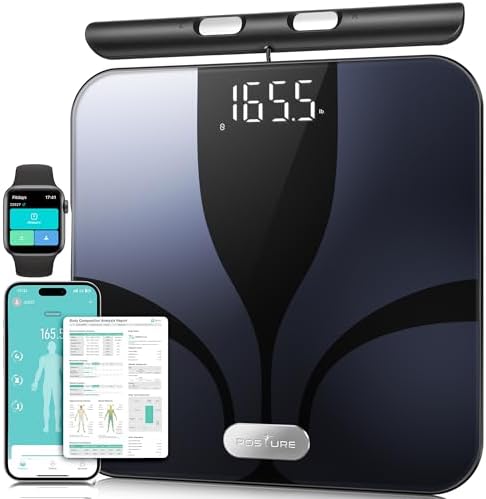
The Posture Scale with 8 electrodes and FSA/HSA eligibility represents a specific segment of body composition monitors that promise more detailed metrics than basic smart scales. Unlike 4-electrode models that only measure through feet, this scale's additional hand electrodes claim to provide segmental analysis, making its platform size and electrode placement critical for accurate readings.
Key Considerations Before Buying
- The 'BMI 28' specification suggests this scale is calibrated for higher weight ranges, which affects accuracy for users outside this target range.
- FSA/HSA eligibility indicates medical device classification, but doesn't guarantee clinical-grade accuracy for body fat percentage measurements.
- The larger platform is essential for proper foot electrode contact, especially important for the 8-electrode bioelectrical impedance analysis (BIA) method this scale employs.
What Our Analysts Recommend
For 8-electrode scales specifically, check that hand electrodes are positioned ergonomically and provide consistent contact. The scale should clearly state its measurement frequency (single vs. multi-frequency BIA) and whether it uses athlete modes, as these significantly impact body fat percentage accuracy. Platform stability matters more here than with basic scales due to the need to maintain hand contact during measurement.
Digital Market Context
Market Overview
The consumer body composition scale market has bifurcated into basic 4-electrode models under $50 and advanced 8-electrode units like this Posture Scale that claim segmental analysis. FSA/HSA eligibility has become a marketing point for scales priced $80-$150, though FDA clearance for body composition claims remains rare.
Common Issues
Consumer-grade BIA scales frequently overestimate or underestimate body fat percentage by 3-8% compared to DEXA scans, with particular inaccuracy at body extremes. Electrode contact issues plague many 8-electrode models, leading to failed readings or inconsistent results. App connectivity problems are rampant across brands, with data syncing failures affecting long-term tracking.
Quality Indicators
Superior 8-electrode scales use multi-frequency BIA (not just single frequency), provide clear instructions for consistent measurement conditions, and offer calibration options. Look for scales that disclose their margin of error for body fat percentage and specify whether they're validated against reference methods. Quality construction should prevent the 'wobble' common on larger platforms.
Review Authenticity Insights
Grade C Interpretation
The C authenticity grade and 28% estimated fake review rate indicate significant manipulation concerns for this Posture Scale. The adjusted rating dropping from 4.20 to 3.60 suggests authentic user experiences are substantially less positive than the overall rating implies.
Trust Recommendation
Focus on the 2-4 star reviews for this specific model, as they're less likely to be manipulated and often detail actual user experiences with electrode contact issues or measurement inconsistencies. Be particularly skeptical of reviews emphasizing FSA eligibility as a quality indicator, as this is administrative rather than performance-based.
Tips for Reading Reviews
For 8-electrode scales, prioritize reviews that discuss specific metrics like visceral fat tracking consistency or segmental muscle mass readings over time. Look for mentions of repeated measurements under controlled conditions rather than one-time impressions, as BIA accuracy reveals itself through longitudinal use.
Expert Perspective
This Posture Scale's specifications suggest it targets users seeking more detailed body composition data than basic smart scales provide, but the authenticity concerns and rating adjustment from 4.20 to 3.60 warrant caution. The 8-electrode design and larger platform address common contact issues in body composition measurement, but the heavy skew toward 5-star reviews (73%) creates unrealistic performance expectations. The FSA/HSA eligibility is a practical benefit for reimbursement but doesn't correlate with measurement accuracy for body fat percentage.
Purchase Considerations
Consider whether you truly need segmental analysis versus overall body composition trends, as 4-electrode models may suffice for most users. Evaluate your willingness to maintain strict measurement conditions (consistent time, hydration, posture) required for reliable 8-electrode BIA readings. The authenticity concerns suggest researching competing models with more transparent review profiles.
Comparing Alternatives
Compare this scale's specifications against similarly priced 8-electrode competitors like the Withings Body Cardio or FitTrack Dara, particularly regarding measurement frequency technology and app functionality.