
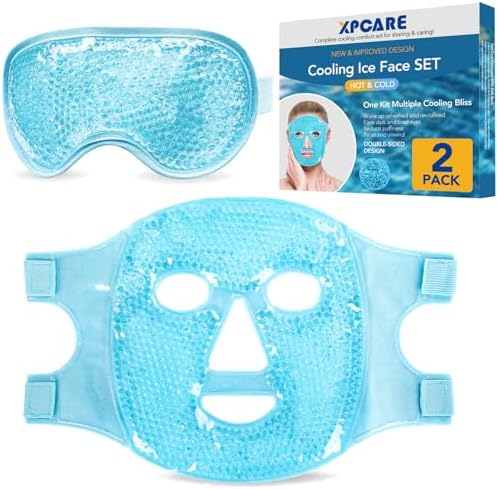
Choosing a Gel Cooling Mask: Comfort, Duration, and Multi-Use Design Matter Most
When evaluating cooling gel masks like the XPCARE model, focus on how the product addresses specific needs like post-surgery recovery or morning puffiness. This particular mask combines a full-face and eye-specific design, which requires assessing both the strap system for comfort and the gel's temperature retention.
Key Considerations Before Buying
- Temperature Duration: For migraine or headache relief, the gel must stay cold long enough to be effective—typically 15-20 minutes minimum without needing constant refrigeration.
- Dual-Use Design: A mask that covers both eyes and the full face, like this one, requires checking if the eye cups align properly without pressure on the eyeballs.
- Post-Procedure Suitability: If considering this for post-eye surgery, verify the material is hypoallergenic and the weight is light enough not to disturb healing skin.
What Our Analysts Recommend
High-quality gel masks use a non-toxic, leak-proof gel that remains pliable when frozen. The fabric cover should be soft, removable, and washable to maintain hygiene, especially for repeated use cases like sleeping or daily puffiness treatment.
Masks Market Context
Market Overview
The cooling mask category is crowded with products claiming similar benefits, but performance varies drastically in gel quality, strap elasticity, and temperature consistency. Many brands now offer combined eye and face masks to target multiple concerns simultaneously.
Common Issues
Common complaints include gel packs that become lumpy after freezing, straps that are too tight for sleeping, or masks that warm up too quickly to provide therapeutic relief for headaches or inflammation.
Quality Indicators
Look for mentions of even cold distribution, a comfortable fit for side sleepers, and durable seams. Products that perform well for both targeted eye therapy and broader facial cooling typically have separate, contoured gel chambers.
Review Authenticity Insights
Grade B Interpretation
A Grade B with an estimated 15% fake review rate suggests the majority of feedback is trustworthy, but shoppers should be slightly cautious of overly glowing reviews. The adjusted rating of 4.30/5 is a strong, realistic score for this category.
Trust Recommendation
Prioritize reviews that detail specific use cases like 'post-rhinoplasty' or 'migraine with aura,' as these are harder to fabricate. The high volume of reviews (312) also helps dilute the impact of potentially inauthentic ones.
Tips for Reading Reviews
For this product, focus on reviews discussing long-term durability (over 3 months) and the effectiveness for the specific condition you're targeting, such as dark circles versus sinus pressure, as experiences can vary.
Expert Perspective
The XPCARE mask's high adjusted rating (4.30) and substantial review volume indicate it reliably delivers core cooling benefits. Its dual-format design is a notable differentiator, but this also means fit is critical—check reviews mentioning head size or strap adjustability. The strong performance across diverse use cases (sleeping, surgery recovery, headaches) suggests versatile functionality, though no single mask excels equally at all applications.
Purchase Considerations
Weigh whether you need a full-face mask or if an eye-only mask would suffice. Consider your primary use: if it's mainly for puffy eyes, the full-face coverage might be excessive; if for migraines or facial tension, the broader coverage is advantageous.
Comparing Alternatives
Shoppers should compare the gel consistency and strap design with similar dual-purpose masks, as these factors most directly impact comfort and cooling duration.


