Choosing the Right Soil Mix for Carnivorous Plants: Key Components Matter
For carnivorous plants like Venus fly traps, pitcher plants, and sundews, standard potting soil is lethal. This specific 2-quart mix combines sphagnum moss debris and perlite to create the nutrient-poor, acidic, and well-draining environment these specialized plants require. Understanding the composition is critical, as improper soil can lead to root rot and plant death within weeks.
Key Considerations Before Buying
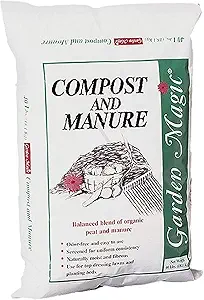
- Verify the mix is nutrient-free; carnivorous plants evolved in poor soils and fertilizers or compost will burn their sensitive roots.
- Assess drainage capability; the inclusion of perlite is non-negotiable for preventing waterlogged conditions that cause root rot.
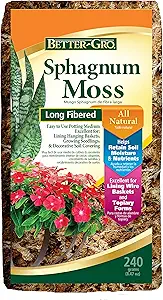
- Confirm acidity; sphagnum moss debris naturally lowers pH, which is essential for mimicking the bog habitats of these plants.
What Our Analysts Recommend
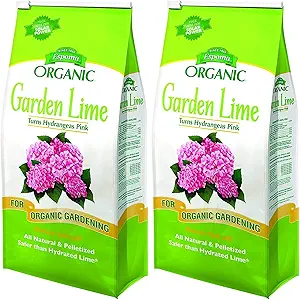
A quality carnivorous plant mix will explicitly state it contains no fertilizers, compost, or lime. The texture should be coarse and fibrous from long-fiber sphagnum moss debris, not fine peat dust. The perlite should be evenly distributed throughout the bag to ensure consistent aeration.
Garden Soil Market Context
Market Overview
The carnivorous plant soil market is niche but growing, with mixes ranging from pre-moistened, ready-to-use bags to dry components requiring preparation. Many general-purpose 'acidic' soils are incorrectly marketed for these plants, creating consumer confusion and plant mortality.
Common Issues
The most frequent problems are mixes contaminated with fertilizers or minerals, overly fine peat that compacts and suffocates roots, and inconsistent ratios of sphagnum to perlite leading to poor drainage. Bag size is also a concern, as 2 quarts is suitable for repotting a few plants but insufficient for larger collections.
Quality Indicators
Look for transparency in ingredient ratios (e.g., '50/50 sphagnum to perlite'), a reputation within carnivorous plant enthusiast communities, and packaging that protects the moss from becoming overly dry and dusty during shipping.
Review Authenticity Insights
Grade B Interpretation
A 'B' grade with an estimated 10% fake review rate suggests the majority of feedback is trustworthy, but shoppers should remain vigilant. The adjusted rating of 4.20/5, down from 4.44/5, indicates some review inflation, but the core positive sentiment is likely genuine.
Trust Recommendation
Focus on reviews that mention specific plant types (e.g., 'my Dionaea muscipula' instead of just 'flytrap') and detail long-term results over months, not just initial impressions. The high volume of reviews (1,024) provides a robust data set to identify consistent patterns of success or failure.
Tips for Reading Reviews
Prioritize reviews discussing texture, moisture retention, and plant health weeks after repotting. Be skeptical of overly vague praise and look for critical reviews that detail exactly why the mix failed, such as mold growth or poor drainage, as these offer the most actionable insights.
Expert Perspective
This product's formulation aligns with horticultural best practices for carnivorous plants, targeting the essential need for a sterile, acidic, and aerated medium. The strong adjusted rating of 4.20/5 from a large review pool indicates it reliably meets user expectations for common genera like Dionaea (fly traps) and Sarracenia (pitcher plants). The 2-quart size positions it as a convenient solution for hobbyists with a small number of plants rather than commercial growers.
Purchase Considerations
This mix is a strong candidate if you need a reliable, pre-mixed medium and value convenience. However, calculate your needs carefully; 2 quarts fills approximately two 6-inch pots. For larger collections, buying bulk sphagnum moss and perlite separately may be more economical, though it requires mixing.
Comparing Alternatives
Shoppers should compare the cost per quart and ingredient clarity with other specialized mixes, such as those from brands like Besgrow or Carnivero.