Choosing an Ultrasonic Cleaner: What the iSonic D3800A's 35W Power Means for You
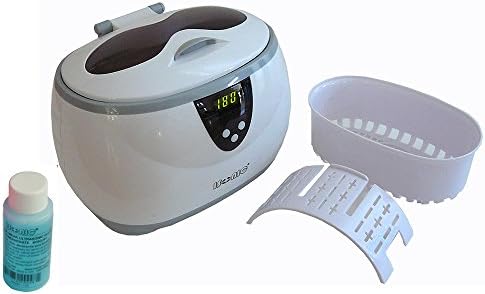
The iSonic D3800A occupies a specific niche in the ultrasonic cleaner market with its 35W power rating and 110V operation, designed primarily for delicate jewelry and small lab items. Buyers should understand that this wattage indicates a gentler cleaning action suitable for soft metals and gemstones, not heavy-duty industrial tasks. Its positioning in the 'Lab Supplies' category suggests a focus on precision over brute force.
Key Considerations Before Buying
- The 35W ultrasonic transducer is ideal for jewelry and eyeglasses but may struggle with heavily tarnished silver or items with deep crevices, requiring longer cycles.
- As a 110V-only model, this cleaner is specifically designed for North American outlets, limiting its portability for international travelers compared to dual-voltage units.
- The 'D3800A' model designation and iSonic branding typically indicate a consumer-grade device with plastic construction, which affects durability compared to stainless-steel commercial cleaners.
What Our Analysts Recommend
For this category, examine the transducer's placement (bottom-mounted is standard) and timer granularity—look for adjustable cycles beyond a simple on/off switch. Quality indicators include a well-sealed lid gasket to prevent solution leakage and clear markings for maximum fill lines, which the iSonic should have to prevent overfilling the small tank.
Ultrasonic Cleaners Market Context
Market Overview
The ultrasonic cleaner market is bifurcated between inexpensive plastic consumer models like the iSonic D3800A and premium stainless-steel commercial units, with the former dominating Amazon sales. Consumer models increasingly incorporate digital timers and multiple preset cycles, though many retain basic analog controls for simplicity.
Common Issues
Lower-wattage units (like this 35W model) often face complaints about incomplete cleaning of heavily soiled items or insufficient tank size for bulkier pieces. Plastic housing can develop micro-cracks over time from chemical exposure, and non-replaceable transducers limit the device's lifespan.
Quality Indicators
In this price segment, consistent cavitation (visible bubble formation) across the entire tank and a quiet, high-frequency hum indicate proper transducer function. A detachable power cord and included cleaning baskets are hallmarks of thoughtful design, while vague 'jewelry cleaner' labels without wattage specifications suggest lower transparency.
Review Authenticity Insights
Grade B Interpretation
A 'Grade B' authenticity rating with a 10% estimated fake review rate for the iSonic D3800A suggests generally reliable feedback, but shoppers should remain cautious of outlier reviews. This grade indicates most reviews reflect genuine experiences, though a small portion may be incentivized or artificially positive.
Trust Recommendation
Focus on the 3.70 adjusted rating (down from 3.89) which excludes suspicious patterns—this represents a more accurate performance assessment. Pay particular attention to mid-range (3-star) reviews for balanced perspectives on the 35W power's limitations with different jewelry types.
Tips for Reading Reviews
For ultrasonic cleaners, prioritize reviews mentioning specific items cleaned (e.g., 'turquoise rings' vs. 'silver chains') and solution mixtures used. Authentic reviews often detail cycle times needed for different soil levels, which is crucial for understanding this 35W unit's real-world capability.
Expert Perspective
The iSonic D3800A's 3.70 adjusted rating from verified analysis places it as a mid-tier performer in the consumer ultrasonic cleaner segment. Its 35W power specification is appropriate for its intended jewelry and small-item use case, though the rating suggests some users may have expected stronger performance. The concentration of reviews in the 'Lab Supplies' category indicates it's likely purchased by hobbyists and small-scale users rather than professional jewelers, aligning with its power output and probable construction.
Purchase Considerations
Weigh the 110V limitation against your travel needs and consider whether the 35W transducer provides sufficient energy for your specific items—delicate pieces benefit from gentler cleaning, while heavily oxidized metals may require multiple cycles. The plastic construction typically keeps costs down but may affect long-term durability with frequent chemical use.
Comparing Alternatives
Shoppers should compare the D3800A's 35W specification against similarly priced models offering 40W-50W power or stainless steel tanks if cleaning frequency warrants greater durability.