Dual 20W USB-C Charger: What to Know Before Buying This 40W Power Adapter
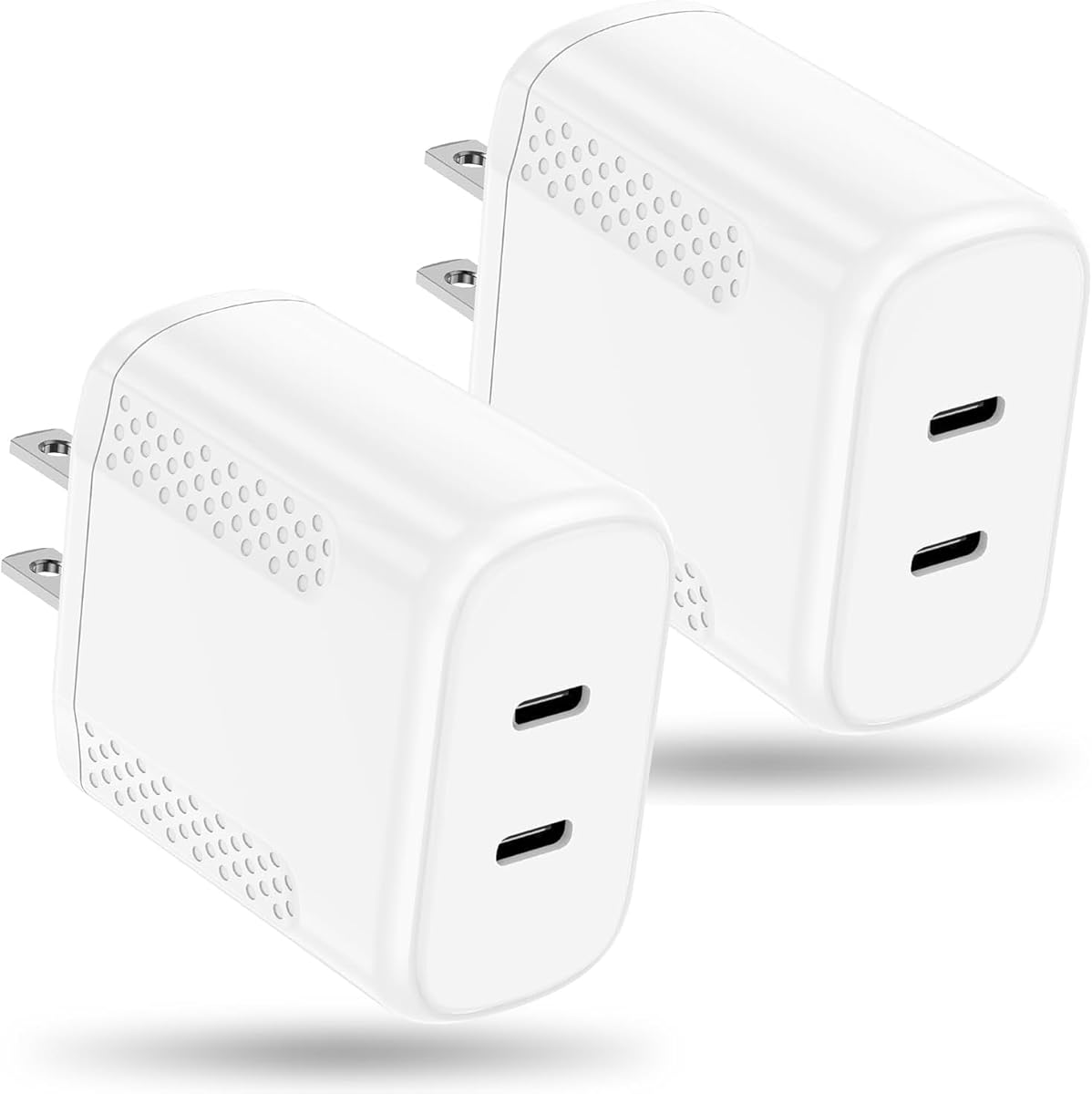
This 40W dual-port USB-C charger offers simultaneous fast charging for two devices, with each port delivering up to 20W. Unlike single-port chargers, this model provides balanced power distribution ideal for charging a laptop alongside a phone or tablet. The 20W per port specification makes it particularly compatible with recent iPhone models that support 20W charging.
Key Considerations Before Buying
- The 40W total output means both ports can deliver 20W simultaneously, but not higher wattage for single-device charging—important for users needing 30W+ for specific laptops.
- This charger's compact dual-port design eliminates the need for multiple wall adapters, but verify your devices support USB-C Power Delivery (PD) to utilize the full 20W per port.
- While marketed for iPhones 13-16, check your specific laptop's power requirements since some ultrabooks need 45W+ for optimal charging during use.
What Our Analysts Recommend
Genuine USB-C PD chargers should maintain consistent output without overheating during simultaneous dual-device charging. Look for reviews mentioning stable performance when charging both ports at maximum capacity. Quality indicators include proper weight (not overly light), secure plug fit, and certification markings like CE or FCC.
Wall Chargers Market Context
Market Overview
The USB-C wall charger market has shifted toward multi-port designs, with 40W dual-port models filling the gap between basic phone chargers and high-wattage laptop adapters. This specific 20W+20W configuration targets users who need to charge two medium-power devices simultaneously without premium pricing.
Common Issues
Many budget dual-port chargers suffer from power sharing issues where connecting a second device dramatically reduces charging speed. Some models also experience overheating or inconsistent Power Delivery handshakes, causing devices to charge slowly or intermittently.
Quality Indicators
Reliable USB-C chargers maintain advertised wattage under load and include proper overcurrent/overvoltage protection. Look for GaN (gallium nitride) technology mentions for better efficiency, though this specific model appears to use traditional silicon-based components given its price point.
Review Authenticity Insights
Grade B Interpretation
A Grade B authenticity rating with 12% estimated fake reviews indicates mostly trustworthy feedback but suggests some review manipulation exists. The 4.40 adjusted rating (down from 4.63) reveals genuine satisfaction likely sits between 'very good' and 'excellent' rather than near-perfect.
Trust Recommendation
Focus on verified purchase reviews mentioning specific device combinations (like 'iPhone 14 + MacBook Air') and long-term use (3+ months). Be skeptical of reviews only praising packaging or delivery speed without discussing actual charging performance.
Tips for Reading Reviews
Prioritize reviews that detail charging speeds with specific device models and mention whether both ports were used simultaneously. Look for technical observations about heat generation, plug stability, and compatibility with your exact devices rather than generic 'works great' statements.
Expert Perspective
This charger represents a practical solution for users needing to charge two USB-C devices at moderate speeds. The 4.40 adjusted rating from verified purchases suggests reliable performance for its intended use cases. However, the 40W total limit means it's not suitable for power-hungry devices like gaming laptops or tablets that require 45W+ for fast charging. The dual 20W configuration is particularly optimized for Apple's ecosystem where iPhones, iPads, and some MacBooks benefit from this specific power distribution.
Purchase Considerations
Consider this charger if you regularly charge two devices like an iPhone and iPad simultaneously, but look elsewhere if you need single-port high-wattage charging for demanding laptops. The compact design offers travel convenience, but ensure your devices support USB-C PD protocol to achieve advertised speeds.
Comparing Alternatives
Compare this 20W+20W configuration with 30W+18W asymmetric models if your devices have different power requirements.