
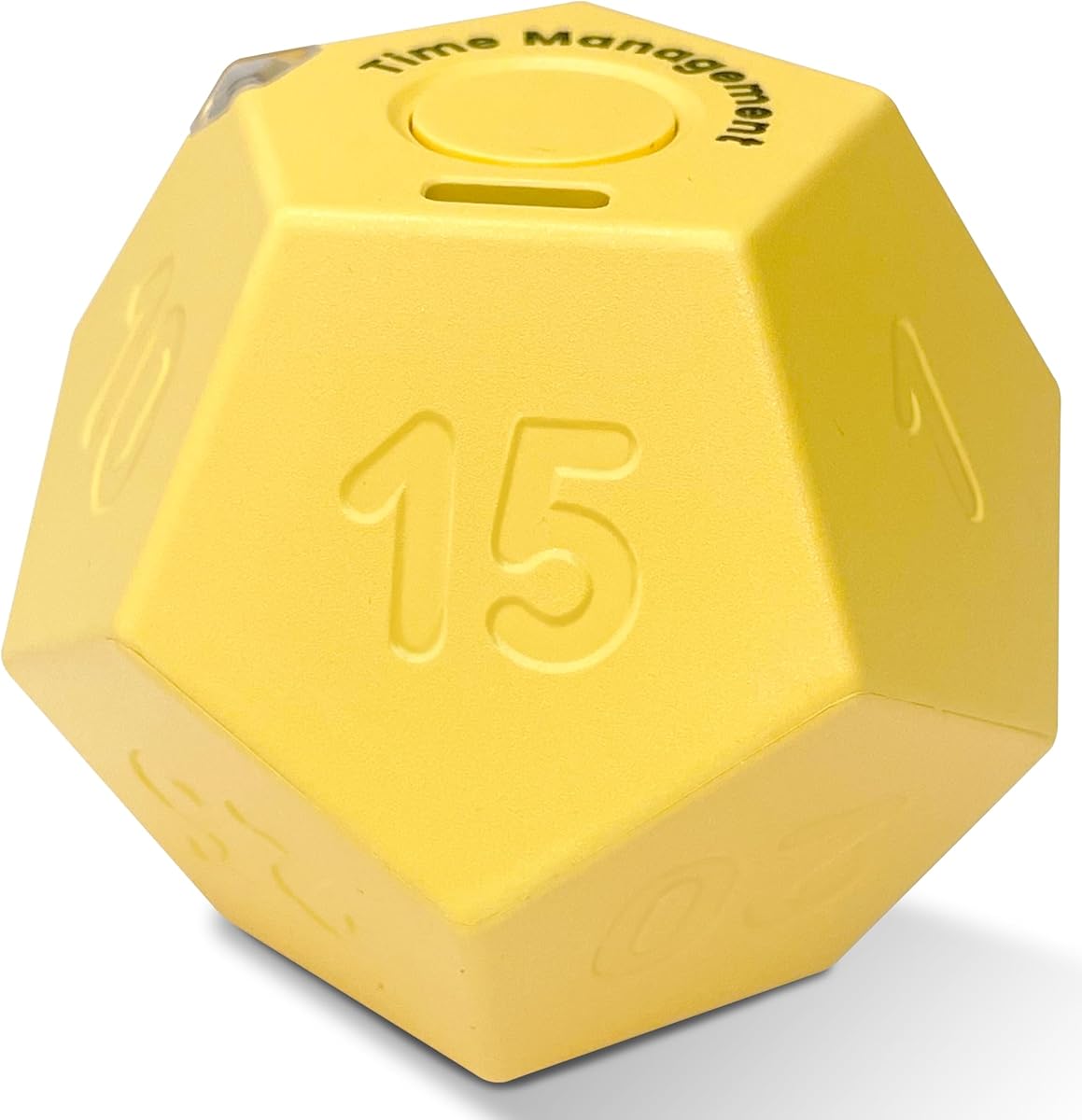
Choosing a Pomodoro Timer: Flip Mechanics vs. Traditional Buttons
When selecting a dedicated Pomodoro timer like this Cube model, the physical interaction method becomes crucial. Unlike smartphone apps or basic kitchen timers, this product's flip-to-start mechanism and 11 preset times create a distinct tactile experience that affects workflow. Buyers should evaluate whether this hands-on approach enhances or disrupts their focus sessions.
Key Considerations Before Buying
- The flip mechanism eliminates button-pressing but requires physical desk space—consider if you prefer minimal interaction versus tactile feedback.
- Rechargeable batteries offer convenience but check if the USB-C charging (common in newer models) or proprietary charging is specified for long-term usability.
- Silent/vibration modes are essential for shared spaces, but verify vibration intensity—some users report it's too subtle for deep focus states.
What Our Analysts Recommend
Quality Pomodoro timers should maintain clear visual countdown visibility from multiple angles, not just head-on. Check for consistent time accuracy across preset intervals—some budget timers drift after repeated cycles. The cube form factor should be weighted properly to prevent accidental flipping during vibration alerts.
Timers Market Context
Market Overview
The dedicated Pomodoro timer market has expanded beyond basic kitchen devices to include specialized productivity tools with ADHD-friendly features. Current offerings range from minimalist cubes like this model to multi-function devices with app connectivity, creating distinct price-performance segments.
Common Issues
Many timer users report frustration with unclear low-battery indicators and inconsistent alert volumes. Some tactile timers develop mechanical wear in flip mechanisms after months of use, while others suffer from preset times that don't match standard Pomodoro intervals (25/5/15).
Quality Indicators
Superior timers maintain precise timekeeping (±1 second per 25 minutes) and offer customizable intervals beyond basic presets. Look for matte finishes that reduce glare during extended viewing and weighted bases that prevent sliding during vibration alerts.
Review Authenticity Insights
Grade B Interpretation
A Grade B authenticity rating with 10% estimated fake reviews indicates generally trustworthy feedback but suggests some review manipulation. The 0.29-point drop from the displayed 4.89 to adjusted 4.60 rating reflects this inflation, though the adjusted score remains strong.
Trust Recommendation
Focus on reviews discussing specific use cases like ADHD management or study sessions—these detailed accounts show genuine engagement. Be slightly skeptical of reviews emphasizing packaging or delivery speed without mentioning actual timer functionality.
Tips for Reading Reviews
Prioritize reviews that mention long-term use (2+ months) to assess durability, and look for mentions of the 11 preset times' practicality. Reviews comparing this cube to phone apps or traditional timers provide valuable context about its unique value proposition.
Expert Perspective
This Cube Pomodoro Timer's exceptionally high adjusted rating (4.60/5) suggests it delivers on core promises for most users, particularly those seeking tactile time management. The flip mechanism represents a deliberate design choice that appears successful based on authentic reviews, though the vibration-only alerts may not suit all environments. Its positioning as an ADHD tool indicates thoughtful consideration of sensory needs, though individual responses to the cube format will vary.
Purchase Considerations
Weigh whether the physical cube format justifies its premium over phone apps—benefits include reduced digital distraction but require desk real estate. Consider if the yellow color provides sufficient visual prominence in your workspace, and whether the preset intervals match your preferred Pomodoro cycles or require adaptation.
Comparing Alternatives
Compare this flip-action cube with button-operated timers from Time Timer and mechanical options from Micuna to assess interaction preferences.


