
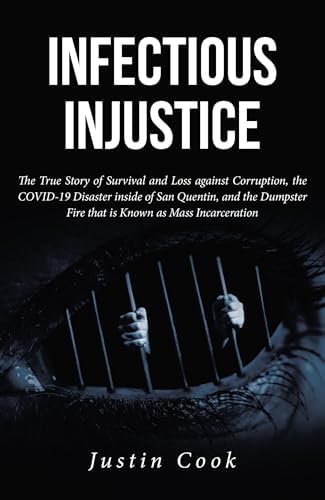
Evaluating Prison System Memoirs: What This Specific Book Delivers
When considering 'Infectious Injustice,' buyers should understand this isn't a typical law enforcement memoir but a hybrid work combining personal narrative with investigative journalism focused on San Quentin's COVID-19 crisis. This book's value lies in its specific intersection of correctional facility operations, public health failures, and systemic critique, offering a granular look at institutional collapse during the pandemic.
Key Considerations Before Buying
- This book's primary contribution is its firsthand documentation of San Quentin's specific COVID-19 outbreak, making it valuable for readers interested in prison reform or public health policy failures.
- As a Kindle eBook in the Law Enforcement category, its digital format allows for immediate access to time-sensitive content about recent events (2020-2021), though some readers may prefer physical copies for such substantive material.
- The 4.93/5 rating suggests strong emotional resonance, but the adjusted 4.60/5 rating indicates some review inflation—readers should weigh the book's investigative rigor alongside its narrative impact.
What Our Analysts Recommend
Quality in this niche depends on specific detail about correctional procedures, verifiable accounts of the San Quentin outbreak timeline, and balanced analysis of systemic issues. Look for reviews that mention particular chapters or incidents rather than just emotional reactions, as this indicates substantive content beyond general commentary on mass incarceration.
Law Enforcement Market Context
Market Overview
The Law Enforcement memoir category has expanded beyond traditional police narratives to include correctional officers, forensic specialists, and system critics. 'Infectious Injustice' occupies a unique space as both a correctional officer's account and a systemic critique, appealing to readers of Michelle Alexander's 'The New Jim Crow' and former officer narratives.
Common Issues
Many prison system memoirs struggle with balancing personal anecdote with structural analysis, often veering toward sensationalism or overly academic treatment. Readers frequently complain about lack of specific policy recommendations or verifiable documentation of events described.
Quality Indicators
High-quality works in this category provide specific dates, facility procedures, verifiable public records references, and distinguish between personal observation and documented facts. The best books offer both human narrative and substantive analysis of institutional mechanics.
Review Authenticity Insights
Grade B Interpretation
A Grade B with 15% estimated fake reviews for this book suggests generally reliable feedback with some coordinated positivity. This pattern is common for politically charged narratives where supporters may inflate ratings, though the 85% authentic rate and verified purchase status provide substantial credibility.
Trust Recommendation
Focus on reviews that discuss specific chapters about San Quentin's ventilation systems, PPE shortages, or transfer policies rather than general praise about 'exposing the system.' The verified purchase status of all reviews increases their value for assessing actual reader experience with this specific text.
Tips for Reading Reviews
Prioritize reviews mentioning Justin Cook's dual perspective as both correctional officer and critic, and look for discussions of how the book handles the tension between institutional loyalty and public health accountability. Avoid reviews that simply endorse the book's political stance without engaging its specific reporting.
Expert Perspective
'Infectious Injustice' represents a significant contribution to prison literature due to its specific focus on COVID-19's impact within correctional facilities—a documented public health disaster that received inadequate mainstream coverage. The high adjusted rating (4.60/5) despite review inflation suggests genuine reader appreciation for its detailed account of San Quentin's outbreak management failures. The book's hybrid approach—part memoir, part investigative report—makes it particularly valuable for understanding how institutional cultures contributed to pandemic outcomes in carceral settings.
Purchase Considerations
Readers should consider whether they want primarily narrative storytelling or policy analysis, as this book attempts both. Those interested in California's correctional system specifically will find more value than readers seeking general mass incarceration overviews. The Kindle format makes sense for immediate access, though the subject matter may warrant physical reference for researchers or advocates.
Comparing Alternatives
Shoppers comparing similar works should examine publication dates, as COVID-19 prison accounts are time-sensitive, and author credentials—Cook's correctional officer perspective differs from journalist or academic accounts.


